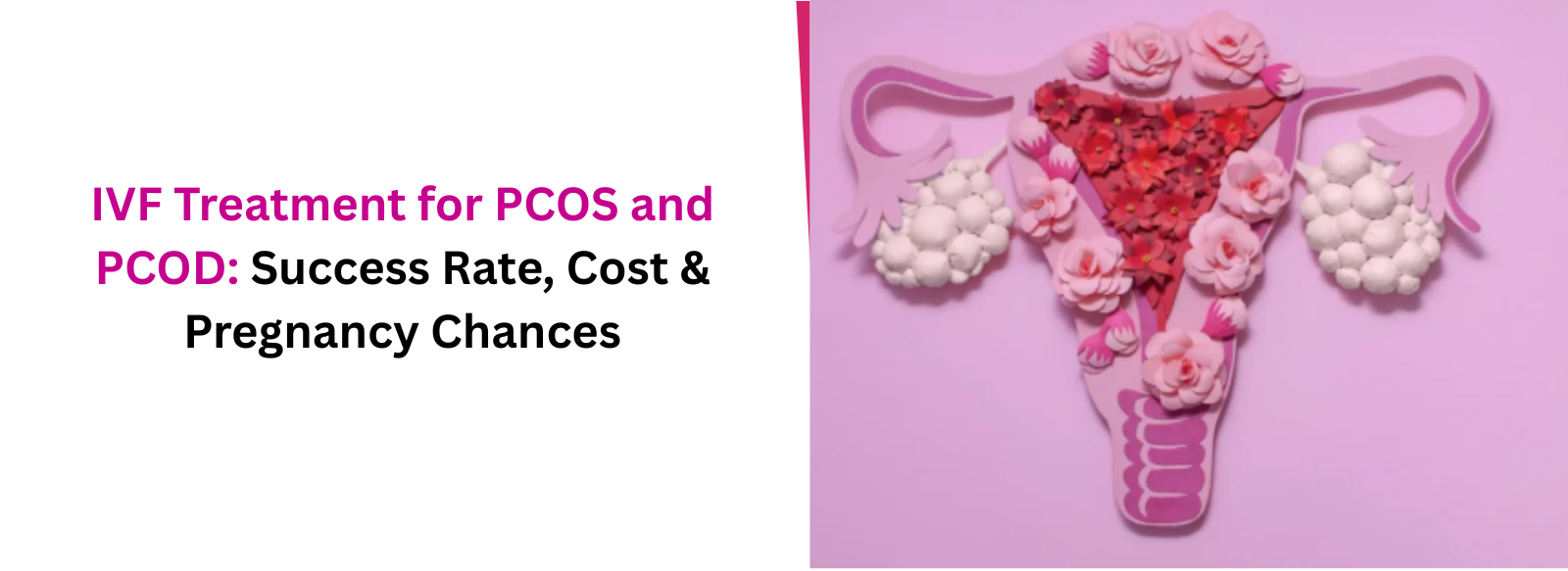
Polycystic Ovary Syndrome (PCOS) and Polycystic Ovarian Disease (PCOD) are common hormonal conditions that affect many women of reproductive age. Both affect a woman’s ability to ovulate regularly, making conception more difficult. Irregular periods, hormonal imbalance, and poor egg release. As a result, this often reduces the chances of natural pregnancy in some women. IVF (In Vitro Fertilisation) is an effective option in case other lifestyle changes and basic fertility treatments do not help. IVF treatment for PCOS and PCOD helps by stimulating the ovaries, retrieving healthy eggs, and fertilizing them in a controlled laboratory environment before transferring the embryo to the uterus. With proper medical guidance, many women with PCOD/PCOS achieve successful pregnancies through IVF.
This article aims to show IVF treatment for PCOS and PCOD, compares success rates, cost, and when IVF is recommended to help couples make informed fertility decisions.
What Are PCOS and PCOD?
What is Polycystic Ovary Syndrome (PCOS)? Polycystic Ovary Syndrome PCOS symptoms is a hormonal disorder that affects how a woman’s ovaries function. In PCOS, the body produces higher levels of androgens (male hormones), which can interfere with the normal development and release of eggs from the ovaries. This often leads to irregular or missed periods, acne, weight gain, and difficulty ovulating. Because ovulation may not occur regularly, many women with PCOS experience challenges when trying to conceive.
What is Polycystic Ovarian Disease (PCOD)? Polycystic Ovarian Disease (PCOD) is a condition in which the ovaries produce immature or partially mature eggs that turn into small cysts over time. This can cause enlarged ovaries and hormonal imbalances, leading to irregular menstrual cycles and delayed ovulation. While PCOD can affect fertility, many women are still able to conceive with lifestyle changes, medications, or fertility treatments.
Key Differences Between PCOS and PCOD
Although the terms are often used interchangeably, PCOS and PCOD are slightly different. PCOS is generally considered a more complex metabolic and hormonal disorder that can affect overall health, including insulin resistance and hormonal imbalance. PCOD, on the other hand, mainly involves problems with the ovaries and egg maturation. PCOS usually has a greater impact on fertility compared to PCOD.
How PCOS and PCOD Affect Ovulation and Fertility
Both PCOS and PCOD can disrupt the normal ovulation process. Hormonal imbalance may prevent the ovaries from releasing eggs regularly, which reduces the chances of fertilization. Irregular menstrual cycles make it harder to predict ovulation, and poor egg quality can further impact pregnancy chances. In such cases, fertility treatments like ovulation induction or IVF may help improve the chances of conception.
Can Women With PCOS or PCOD Get Pregnant Naturally?
Yes, many women with PCOS or PCOD can conceive naturally, especially when ovulation occurs regularly. Improving lifestyle factors such as maintaining a healthy weight, exercising regularly, and following a balanced diet can help regulate hormones and improve ovulation. Fertility doctors and gynecologists may also prescribe medications to stimulate ovulation and manage insulin resistance, which can increase the chances of natural pregnancy.
However, natural conception can become difficult if ovulation remains irregular, periods are absent for long durations, or hormonal imbalance persists despite treatment. If a couple has been trying to conceive for 12 months (or 6 months for women over 35) without success, fertility treatment may be recommended. Signs such as very irregular cycles, confirmed PCOS diagnosis, or repeated ovulation failure may require medical intervention like IVF.
When is IVF Recommended for PCOS Patients?
IVF is usually recommended for women with PCOS when simpler fertility treatments do not result in pregnancy. Doctors may suggest IVF to improve fertilization chances and carefully control ovulation and embryo development.
Failed ovulation induction: When fertility medications or ovulation stimulation treatments do not lead to successful pregnancy.
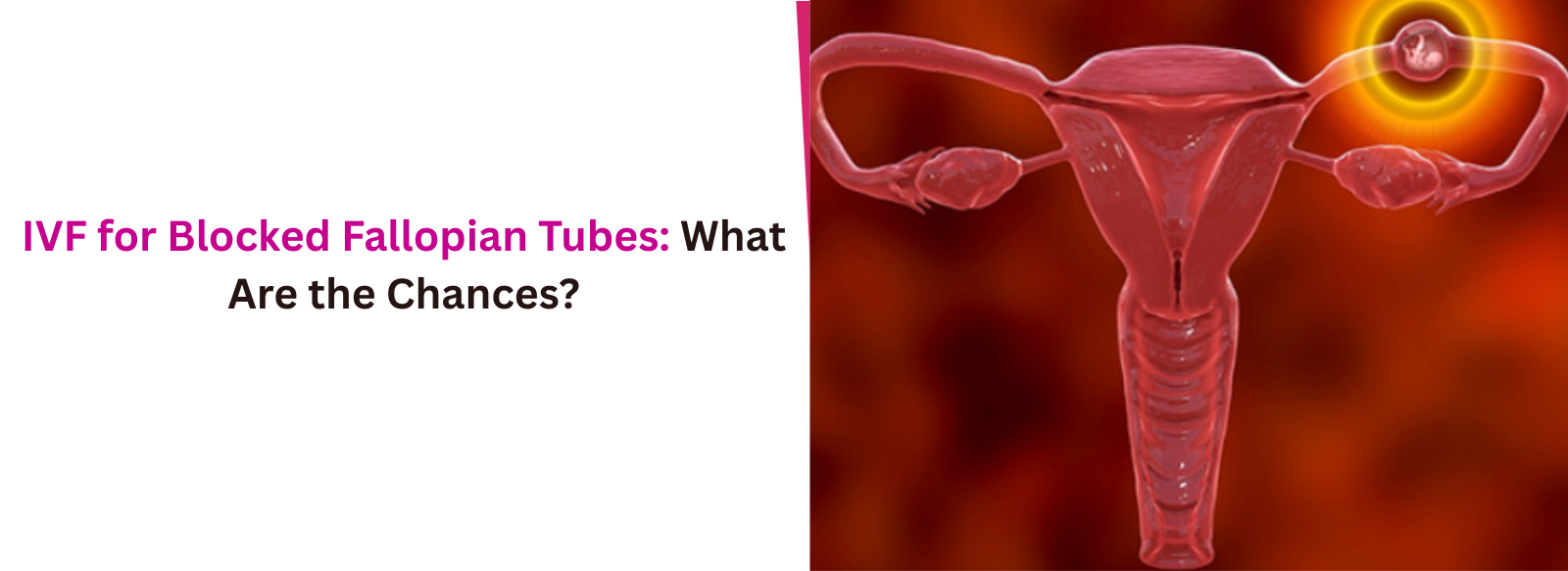
Blocked fallopian tubes: IVF bypasses the fallopian tubes by fertilizing the egg in a laboratory.
Male factor infertility: Low sperm count or poor sperm quality may require IVF or ICSI.
Long-term infertility despite treatments: Couples trying for several years without success may benefit from IVF.
Age-related fertility decline: IVF can improve pregnancy chances as egg quality decreases with age.
IVF allows specialists to monitor egg development, fertilization, and embryo transfer closely, which can increase the chances of pregnancy for PCOS patients facing multiple fertility challenges.
How Does IVF Treatment Work for PCOS and PCOD?
IVF for PCOS and PCOD follows a structured process that helps doctors control ovulation, fertilization, and embryo development to improve pregnancy chances.
Fertility evaluation and hormone tests: Doctors assess ovarian reserve, hormone levels, and overall reproductive health through blood tests, ultrasound, and fertility screening.
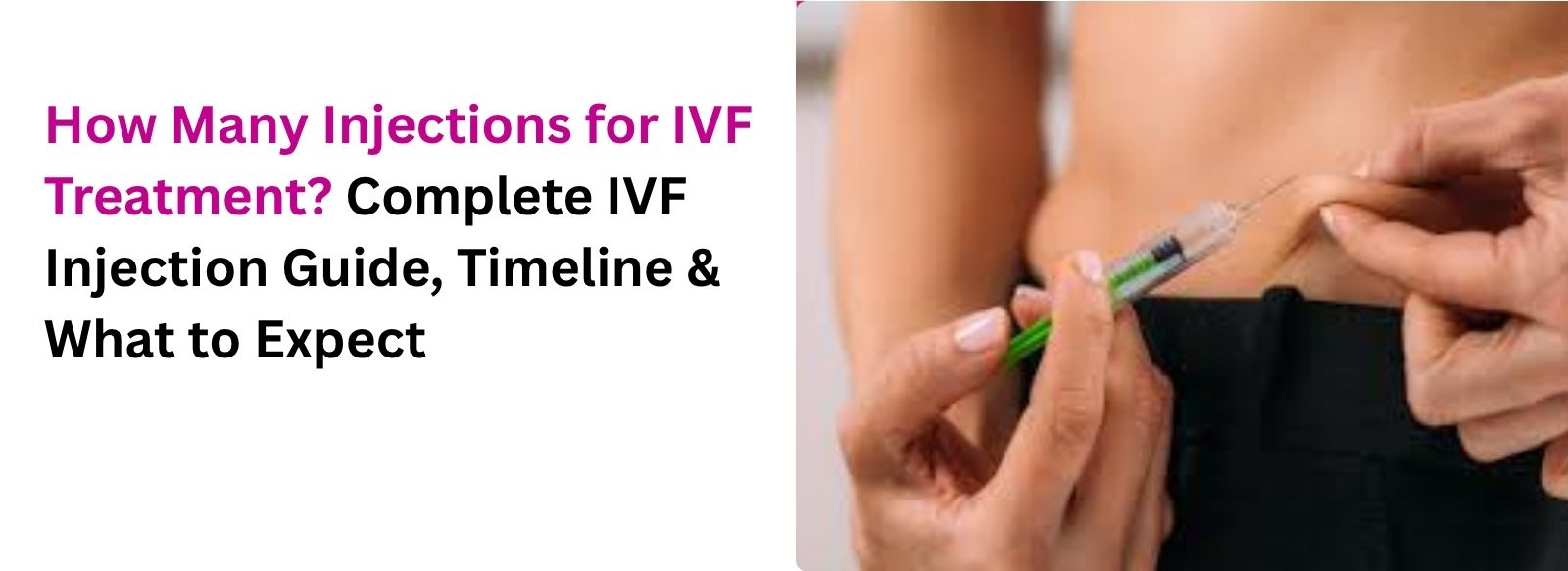
Ovarian stimulation with fertility medications: Hormonal injections are given to stimulate the ovaries to produce multiple mature eggs in one cycle.
Egg retrieval procedure: Mature eggs are collected from the ovaries using a minor surgical procedure performed under sedation.
Fertilization in the laboratory: Retrieved eggs are combined with sperm in a laboratory to create embryos.
Embryo transfer into the uterus: A healthy embryo is selected and carefully transferred into the uterus.
Pregnancy testing: A blood test is done about 10–14 days later to confirm pregnancy.
Success Rate of IVF for PCOS and PCOD
The IVF for PCOS success rates or PCOD is generally encouraging and can range between 40% to 60% per cycle, depending on individual health factors and age. In some cases, women with PCOS may have slightly better outcomes because their ovaries often produce a higher number of eggs during stimulation.
With proper monitoring, IVF can be highly effective for many PCOS patients. Several factors influence IVF success rates:
Age of the woman: Younger women usually have higher success rates.
Egg quality: Healthy eggs improve fertilization and embryo development.
Embryo quality: Strong embryos increase implantation chances.
Clinic expertise: Experienced fertility specialists and advanced labs improve outcomes.
Lifestyle factors: Healthy weight, balanced diet, and avoiding smoking support better fertility results.
IVF Pregnancy Chances for Women With PCOS
Women with PCOS can achieve good pregnancy outcomes through IVF, with many clinics reporting pregnancy rates of around 40–60% per cycle, depending on age, egg quality, and overall reproductive health. Successful implantation depends on several factors, including embryo quality, uterine health, and proper hormonal balance during the cycle.
However, women with PCOS may have a higher risk of Ovarian Hyperstimulation Syndrome (OHSS) because their ovaries can respond strongly to fertility medications. To reduce this risk, fertility specialists closely monitor hormone levels and follicle growth during treatment. They may adjust medication doses, use safer stimulation protocols, or freeze embryos for later transfer. With careful medical supervision, IVF can be performed safely and effectively for many women with PCOS.
Cost of IVF Treatment for PCOS and PCOD
The average cost of IVF treatment in India typically ranges between ₹1,20,000 and ₹2,50,000 per cycle, depending on the clinic, location, and additional procedures required. Costs can vary based on individual fertility needs and treatment plans.
Common IVF expenses include:
Consultation and tests: Fertility assessments, blood tests, and ultrasounds
Hormonal injections: Medications used to stimulate egg production
Egg retrieval: Minor surgical procedure to collect mature eggs
Laboratory fertilization: Fertilization of eggs with sperm in the lab
Embryo transfer: Placement of a healthy embryo into the uterus
Additional costs may include ICSI procedures, embryo freezing, medications, and follow-up care, which can increase the overall treatment cost.
Benefits of IVF Treatment for PCOS Patients
IVF can significantly improve pregnancy chances for women with PCOS, especially when ovulation problems make natural conception difficult. The treatment allows doctors to closely control egg development, fertilization, and embryo transfer, helping increase the chances of a healthy pregnancy.
Higher chances of pregnancy: IVF bypasses irregular ovulation by retrieving mature eggs directly from the ovaries.
Controlled ovulation and fertilization: Doctors monitor hormone levels and egg development throughout the process.
Ability to select healthy embryos: The best-quality embryos can be chosen for transfer.
Helpful for multiple infertility factors: IVF also helps when male infertility or other reproductive issues are present.
With proper medical care, IVF offers a reliable fertility option for many women with PCOS.
Risks and Complications of IVF in PCOS
While IVF can be effective for PCOS patients, certain risks and complications may occur due to the body’s strong response to fertility medications. Careful monitoring and personalized treatment plans help doctors manage these risks and ensure safer outcomes.
Ovarian Hyperstimulation Syndrome (OHSS): PCOS patients may produce too many follicles, causing ovarian swelling and discomfort.
Multiple pregnancy: Transferring more than one embryo may increase the chance of twins or multiples.
Hormonal side effects: Fertility medications can cause bloating, mood changes, or mild discomfort.
Emotional stress during treatment: IVF cycles can be physically and emotionally demanding.
With experienced fertility specialists and proper monitoring, most IVF risks can be minimized.
Top 5 Tips to Improve IVF Success With PCOS
Improving overall health and managing hormonal balance can help increase IVF success rates for women with PCOS. Lifestyle changes, proper medical guidance, and following fertility treatment plans carefully play an important role in achieving better outcomes.
Maintain a healthy body weight: Balanced weight can help regulate hormones and improve ovulation.
Follow a fertility-friendly diet: Nutrient-rich foods support reproductive health and hormone balance.
Manage insulin resistance: Proper treatment can improve ovarian function.
Reduce stress: Relaxation techniques may support hormonal stability.
Follow medication guidelines carefully: Taking fertility medications exactly as prescribed helps optimize treatment results.
Healthy habits combined with expert medical care can improve the chances of a successful IVF pregnancy.
Why Choose a Fertility Specialist for PCOS IVF Treatment?
PCOS-related infertility often requires a personalized and carefully monitored treatment approach. A fertility specialist can evaluate hormonal imbalance, ovulation patterns, and reproductive health to design the most suitable IVF plan for PCOD/PCOS and improve the chances of successful pregnancy.
Personalized fertility treatment: Tailored IVF protocols based on hormone levels and ovarian response.
Advanced IVF technologies: Modern lab techniques improve fertilization and embryo development.
Experienced fertility specialists: Expertise helps manage PCOS-related complications during IVF.
High success rates and patient care: Specialized clinics provide comprehensive monitoring and support.
Choosing an experienced fertility IVF clinic in Jalandhar can help ensure safer treatment and better pregnancy outcomes.
When Should You Consult a Fertility Doctor?
Consulting a IVF specialist in Jalandhar at the right time can help identify reproductive issues early and improve the chances of successful treatment. Women with PCOS or PCOD who experience ongoing difficulty conceiving should seek medical evaluation to understand the underlying cause. Early consultation helps create an effective fertility treatment plan for PCOD/PCOS via IVF.
Trying to conceive for 12 months without success: Medical assessment is recommended for couples facing prolonged infertility.
Irregular or absent periods: These may indicate ovulation problems linked to PCOS.
Diagnosed PCOS with infertility: Professional guidance helps manage hormonal imbalance and fertility challenges.
Previous failed fertility treatments: A specialist can suggest advanced options such as IVF.
Final Thoughts
IVF Treatment for PCOS and PCOD offers new hope for women who face difficulties conceiving due to irregular ovulation and hormonal imbalance. With advanced fertility techniques, IVF can significantly improve the chances of pregnancy by carefully controlling egg development, fertilization, and embryo transfer. However, the success of IVF largely depends on early diagnosis, proper medical management, and personalized treatment planning. Consulting an experienced fertility specialist can help identify the right approach based on individual health and fertility conditions. Seeking professional guidance at the right time can make a significant difference and improve the chances of achieving a healthy and successful pregnancy.
Frequently Asked Questions (FAQs)
1. Is IVF Successful for Women with PCOS?
Yes, IVF can be highly successful for women with PCOS, especially when ovulation problems make natural conception difficult. IVF allows doctors to stimulate the ovaries, retrieve mature eggs, and fertilize them in a controlled laboratory environment. Because many women with PCOS produce a higher number of eggs during stimulation, IVF may sometimes provide good pregnancy outcomes. However, success depends on factors such as age, egg quality, overall health, and clinic expertise. With proper monitoring and individualized treatment protocols, many women with PCOS achieve successful pregnancies through IVF.
2. What is the IVF Success Rate for PCOS Patients?
The IVF success rate for women with PCOS generally ranges between 40% and 60% per cycle, depending on age, reproductive health, and the quality of eggs and embryos. Younger women often have higher success rates because egg quality tends to be better. IVF clinics also consider factors such as uterine health, embryo development, and lifestyle habits when determining the chances of pregnancy. With proper medical supervision and personalized stimulation protocols, many PCOS patients respond well to IVF treatment and have good chances of achieving pregnancy.
3. Can PCOS Patients Get Pregnant in the First IVF Cycle?
Yes, some women with PCOS can become pregnant during their first IVF cycle, although this depends on several factors. Age, egg quality, embryo quality, and uterine health all play important roles in determining success. Women with PCOS often produce multiple eggs during ovarian stimulation, which can improve the chances of obtaining healthy embryos. However, not every IVF cycle results in pregnancy. Some couples may require more than one cycle to achieve successful implantation and pregnancy.
4. Is IVF Safe for Women with PCOS?
IVF is generally considered safe for women with PCOS when the treatment is carefully managed by experienced fertility specialists. Because PCOS patients may respond strongly to fertility medications, doctors closely monitor hormone levels and follicle growth during the cycle. This helps reduce the risk of complications such as Ovarian Hyperstimulation Syndrome (OHSS). Fertility clinics often use specialized stimulation protocols and adjust medication doses to ensure safer treatment. With proper monitoring and medical care, IVF can be performed safely and effectively for many women with PCOS.
5. How Much does IVF Cost for PCOS Treatment in India?
The cost of IVF treatment for PCOS in India usually ranges from ₹120,000 to ₹250,000 per cycle, depending on the fertility clinic, location, and treatment plan. This cost typically includes consultations, fertility tests, hormonal injections, egg retrieval, laboratory fertilization, and embryo transfer. Additional procedures such as ICSI, embryo freezing, advanced medications, or genetic testing may increase the overall expense. Since treatment requirements vary for each patient, the total cost may differ. Consulting a fertility specialist can provide a clearer estimate based on individual fertility conditions.
6. How Many IVF Cycles are Needed for a PCOS/PCOD Pregnancy?
The number of IVF cycles needed for pregnancy in women with PCOS varies from person to person. Some women conceive in the first IVF cycle, while others may require two or three cycles to achieve successful implantation. Factors such as age, egg quality, embryo quality, uterine health, and overall fertility conditions influence the outcome. Doctors often evaluate the response to the first cycle and adjust the treatment plan if necessary. Multiple cycles can increase the cumulative pregnancy rate and improve the chances of achieving a successful pregnancy.
IVF Treatment for PCOS and PCOD at Vardaan Hospital
Vardaan IVF Hospital is a trusted name for advanced fertility care in North India, helping couples overcome complex infertility challenges with personalized IVF treatments. With 30,000+ happy couples, our IVF hospital has earned a strong reputation for high success rates, advanced reproductive technology, and compassionate patient care. Our expert fertility specialists design individualized treatment plans to improve pregnancy outcomes for couples struggling with PCOS, PCOD, and other fertility conditions.
With two major IVF center in Jalandhar and Amritsar (Punjab), Vardaan IVF Hospital provides world-class fertility services close to home. Equipped with modern IVF laboratories and experienced embryologists, the clinic focuses on safe, ethical, and result-driven treatments. Couples across North India trust VardaaN IVF for reliable guidance, transparent care, and the hope of starting their parenthood journey.
BOOK YOUR APPOINTMENT WITH US NOW