
Advanced Fertility Blood Tests in Punjab
Targeted blood tests planned around your cycle and backed by a fertility team with 26 years of experience.

Struggling to Conceive? Talk to Our Fertility Expert
IVF Success Stories
30K+ Babies Delivered & Counting…











Further Blood Investigations
Further blood investigations are advanced tests done after the basic assessment to find hidden hormonal, metabolic, or infection-related causes of infertility in both partners. They include AMH, FSH, and LH for egg reserve, progesterone for ovulation, thyroid and prolactin tests, and PCOS markers like blood sugar and insulin. Men are checked for FSH, LH, and testosterone. Infection screening is mandatory before IUI or IVF.
These tests explain why infertility is happening, helping a Fertility Specialist Doctor in Punjab at our IVF Center in Jalandhar and IVF Center in Amritsar plan the IVF Treatment in Punjab.
Further Blood Investigations at Vardaan IVF Center
| What Matters | Basic Diagnostic Lab | Vardaan IVF Center |
|---|---|---|
|
Experience
|
General pathology testing | 26+ years in fertility care, with 30,000+ success stories |
|
Test Selection
|
Tests done as ordered | Only the tests you need, saving time and money |
|
Timing
|
Any day | FSH, LH, and estradiol on days 2 to 5, and progesterone 7 days before your period |
|
Both Partners
|
Tested separately | Male and female tests planned side by side |
|
Report
|
Numbers handed over | Explained in simple words by a Fertility Specialist Doctor in Punjab |
|
Next Steps
|
You find a doctor yourself | Clear plan toward the IVF Treatment in Punjab, with transparent IVF Cost at 2 centers, in Jalandhar and Amritsar |
Why Are Further Blood Investigations Important?
- Find the Real Cause: Uncovers hidden problems like thyroid, prolactin, or PCOS that basic tests often miss.
- Check Egg Supply and Ovulation: AMH and progesterone show your egg reserve and whether you're ovulating.
- Understand Male Fertility: Male hormone tests can help explain a low sperm count and guide medicine or ICSI.
- Keep Treatment Safe and Affordable: Infection screening helps protect you and your baby, while the right diagnosis keeps your IVF Cost in Punjab predictable.
How Long Does It Take to Get Fertility Blood Test Results?
Longer bars mean a longer wait, so patients can see at a glance that most results come back within 1 to 2 days.
Basic hormones (FSH, LH, TSH, prolactin)
24 hoursAMH (egg reserve)
1 to 2 daysInfection screening
1 to 2 daysPCOS tests (sugar, insulin, testosterone)
1 to 2 daysGenetic and clotting tests
1 to 3 weeksHow to Prepare for Further Blood Tests?
Step-by-Step Further Blood Investigation Process
Further blood investigations at our IVF Center in Jalandhar and IVF Center in Amritsar, guided by a Fertility Specialist Doctor in Punjab
Consult
Meet your specialist
Plan
Right tests chosen
Sample
Quick blood draw
Analyse
24 to 48 hours
Treat
Clear treatment plan
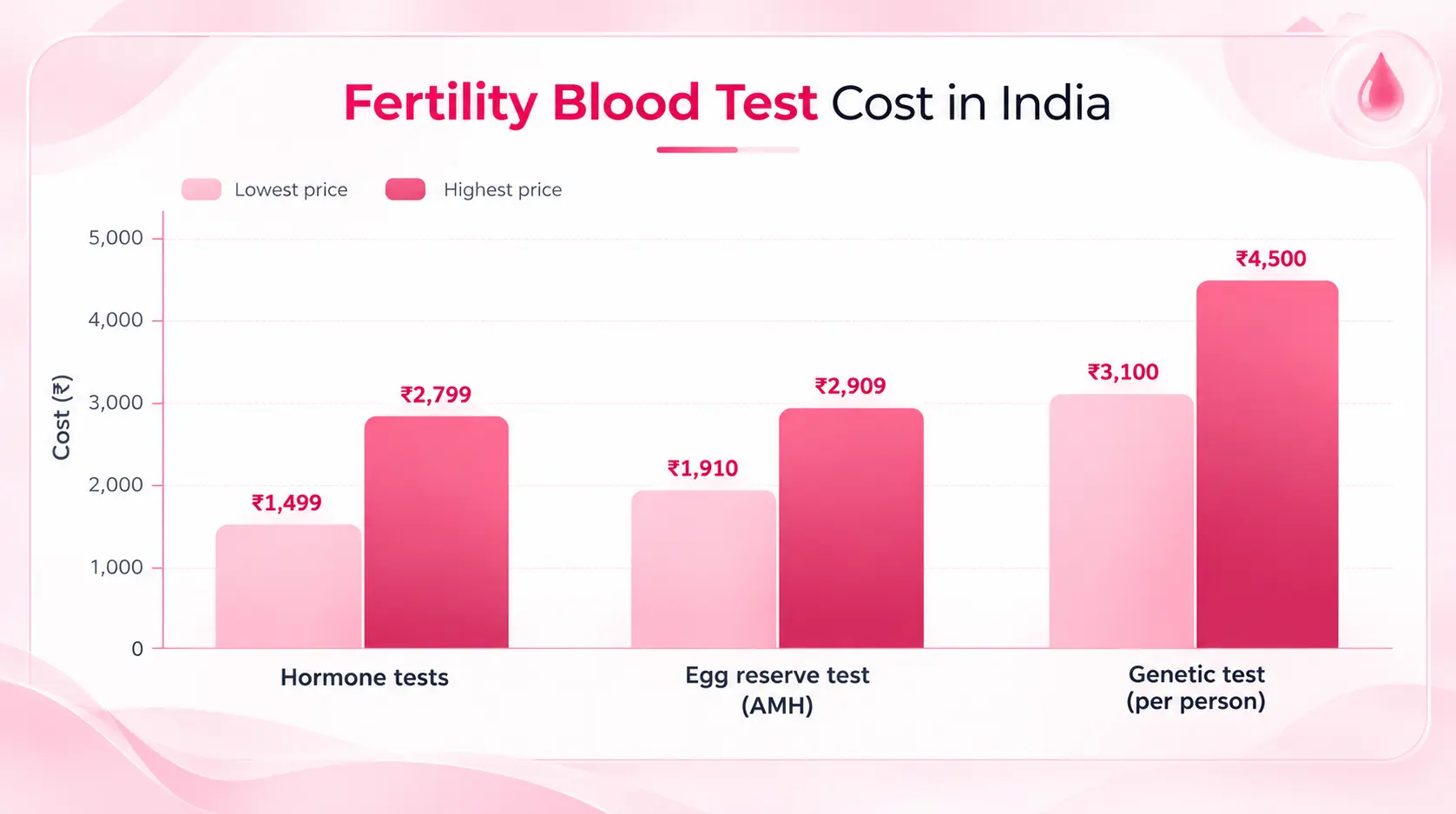
IVF Cost in India
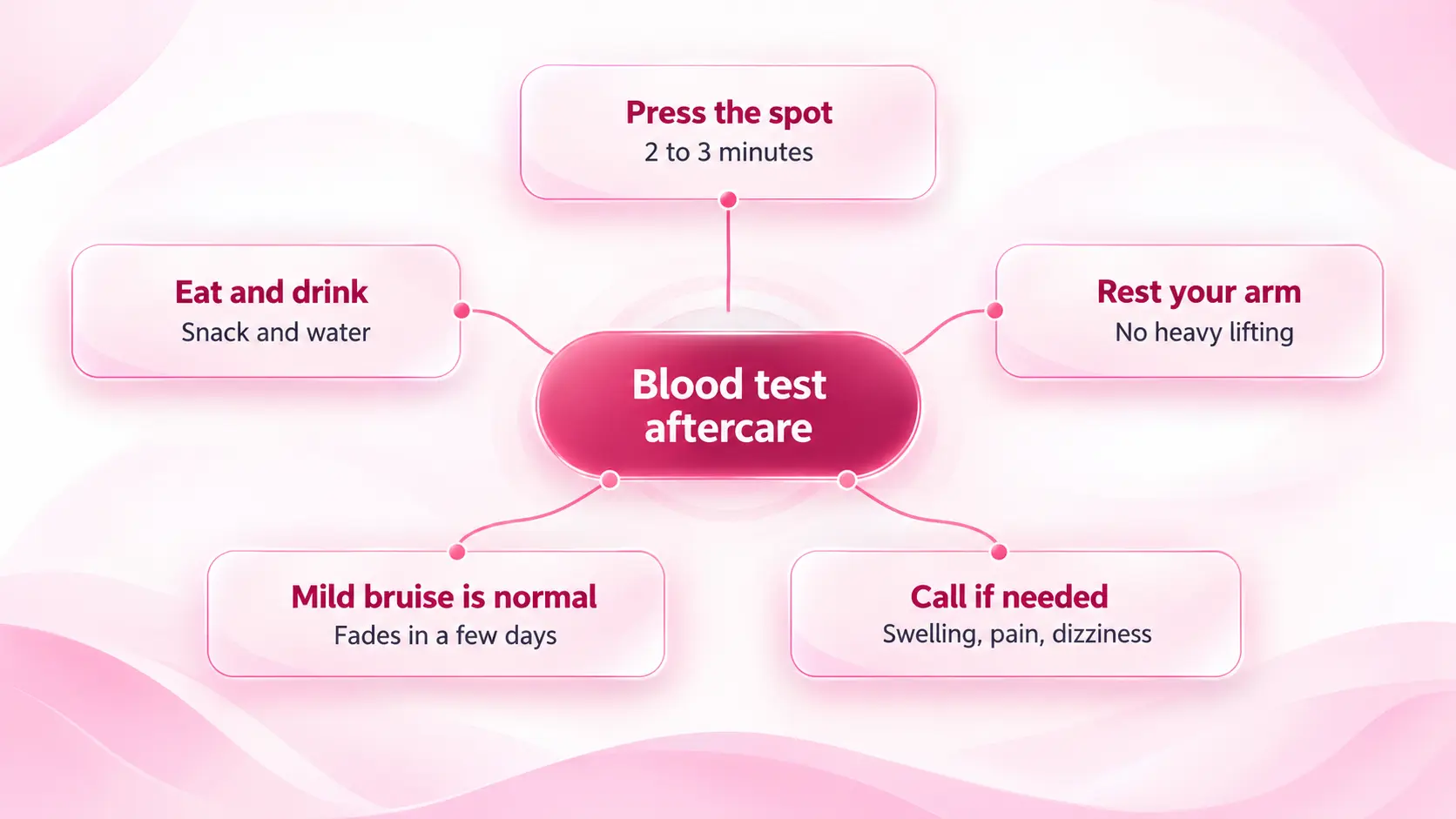
Precautions & Aftercare in IVF
What Types of Tubal Tests Are Available at Vardaan?
1. TVS
First screening scan
2. HyCoSy
Ultrasound, no radiation
3. HSG
X-ray dye test
4. Laparoscopy
Most detailed view
Not sure whether IVF is the right next step?
Our fertility specialists can guide you through the most suitable treatment options for your situation.
Struggling to Conceive? Talk to Our Fertility Expert
Our IVF & Fertility Care Team
Meet our experienced fertility specialists, embryologists, medical officers and dedicated support team.






.png "Dr. Saruchi")



Frequently Asked Questions
Yes, testing both partners gives a complete picture. Men usually need hormone tests and infection screening, while women need a few more hormone checks.
Yes, and some tests, like FSH, LH, and estradiol, are done on days 2 to 5 of your period.
No, it's just a quick needle prick that takes a few minutes. A small bruise may appear but fades within days.
Some tests, like infection screening, may need repeating if your earlier results are too old. Your doctor will tell you which ones.
Yes, tests for thyroid, clotting problems, and chromosomes can find treatable causes. This helps plan a safer next pregnancy.