

Blocked Fallopian Tubes Care at Vardaan
Complete blocked fallopian tube solutions with experienced fertility experts, advanced diagnostic tubal testing, and personalized treatment strategies.

Struggling to Conceive? Talk to Our Fertility Expert
IVF Success Stories
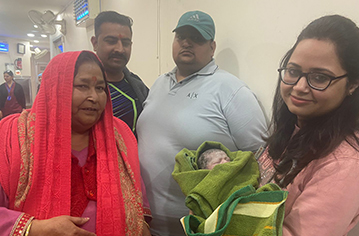
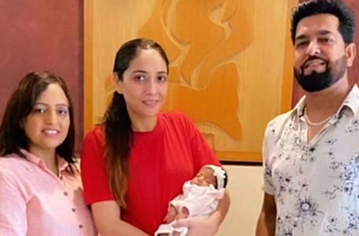
30K+ Babies Delivered & Counting…













Blocked Fallopian Tubes & Female Infertility
For many women, the journey to conception raises questions they never expected to face—and blocked fallopian tubes is one of the most common yet frequently silent answers. Research shows that tubal obstruction accounts for around 30% of female infertility cases, making it one of the leading structural causes of difficulty conceiving. The fallopian tubes are two slender tubes that connect the ovaries to the uterus. Each month, one tube carries a released egg toward the womb, where it meets sperm for fertilization. When a blockage exists anywhere along this pathway, the egg and sperm cannot meet—making natural conception impossible. What makes this condition particularly challenging is that it often presents with no symptoms at all. Many women only discover the problem when they seek a fertility evaluation.
Understanding blocked fallopian tubes—from their causes and warning signs to available diagnostic tools and treatment options—is the first step toward finding a solution. At Vardaan Medical Center, our infertility specialist in Amritsar and fertility centre in Jalandhar provide comprehensive tubal assessments and personalised care to help you navigate this journey with clarity and confide
Causes of Blocked Fallopian Tubes
Pelvic Inflammatory Disease (PID)
One of the most frequent causes of tubal blockage, typically resulting from untreated STIs like chlamydia or gonorrhea. Repeated or severe PID episodes can cause significant internal scarring — early evaluation with our fertility doctor in Jalandhar is strongly advised.
Endometriosis
Endometrial-like tissue growing outside the uterus can attach to the fallopian tubes, causing blockages or adhesions that restrict movement and function
Uterine Fibroids
Large fibroids can press against and block the entrance to the fallopian tubes, restricting egg movement
Hydrosalpinx
Occurs when a blocked tube fills with fluid, damaging its structure. It is associated with prior infection and can significantly reduce IVF success rates if left untreated — our fertility doctor in Amritsar recommends treatment before beginning any IVF cycle at our IVF clinic in Amritsar
Symptoms of Blocked Fallopian Tubes
Pelvic or Abdominal Pain
Persistent one-sided lower abdominal pain, especially around ovulation or menstruation; consult our fertility specialist in Jalandhar. if recurring
Pain During Intercourse
Linked to underlying conditions like endometriosis or pelvic adhesions that commonly cause tubal blockage
Unusual Vaginal Discharge
Change in colour, smell, or consistency may signal a pelvic infection that can progress to tubal damage if untreated
Irregular or Painful Periods
A key indicator of endometriosis, a leading cause of tubal adhesions; assessed thoroughly as part of our infertility treatment in Jalandhar.
Difficulty Conceiving
The most telling sign. If you've been trying for 12 months without success (6 months if over 35), tubal function is evaluated as part of a full fertility workup at our IVF centre in Punjab.
Diagnosing Blocked Fallopian Tubes
| Diagnostic Test | What It Evaluates |
|---|---|
| HSG (Hysterosalpingography) | Contrast dye injected through the cervix reveals whether tubes are open or blocked; the standard first-line test at our IVF centre in Jalandhar. |
| Laparoscopy | Most accurate method; a small camera directly visualizes the tubes and can simultaneously treat endometriosis or adhesions. |
| HyCoSy | Ultrasound-based, radiation-free alternative to HSG; less invasive and clinic-friendly. |
| Sonohysterography | Saline ultrasound that evaluates the uterine cavity and tubal openings. |
All investigations are available at our fertility clinic in Jalandhar at Vardaan Medical Center — so you get answers fast and move forward with confidence.
Treatment for Blocked Fallopian Tubes
- Surgery — Fimbrioplasty or salpingostomy can restore tube function in cases of minor adhesions or scarring; success varies based on damage severity
- Hydrosalpinx Treatment — Fluid-filled tubes must be removed or clipped via laparoscopy before IVF; our fertility doctor in Amritsar recommends this as a critical pre-IVF step to improve implantation rates
- Antibiotics — Used when an active infection is present; prevents further damage but cannot reverse existing scarring
- IVF — The most effective option when both tubes are severely blocked or surgery isn't suitable; our IVF center in Punjab at Vardaan Medical Center offers advanced protocols with high success rates for tubal factor infertility.
Concerned About Blocked Fallopian Tubes?
Our fertility specialists can help assess tubal health and discuss suitable treatment options based on your diagnosis and pregnancy goals.

Why Choose Vardaan?
At Vardaan Hospital, we offer expert diagnostic procedures like HD-HSG and Laparoscopy to accurately identify fallopian tube blockages. Our fertility specialists provide advanced tubal recannulation and direct-to-IVF protocols, tailored to your reproductive goals with complete treatment transparency.
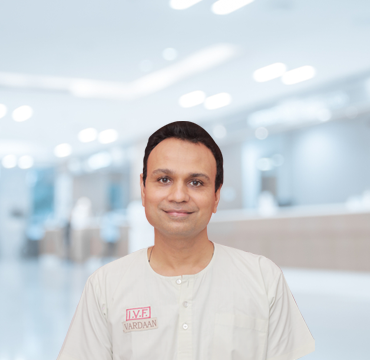
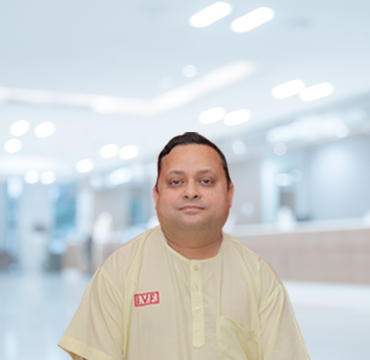
Our IVF & Fertility Care Team
Meet our experienced fertility specialists, embryologists, medical officers and dedicated support team.




.png)



Frequently Asked Questions
Yes, IVF bypasses the fallopian tubes entirely by fertilizing the egg in a lab and transferring the embryo directly into the uterus.
Yes, natural pregnancy is still possible as long as the second fallopian tube is open, healthy, and releasing normal eggs.
Tubal blockages are very common, accounting for approximately 25% to 30% of all female infertility cases.
True structural or scar-tissue blockages do not clear on their own, though temporary spasms or mucus plugs may dissolve or clear during a diagnostic dye test like an HSG.