
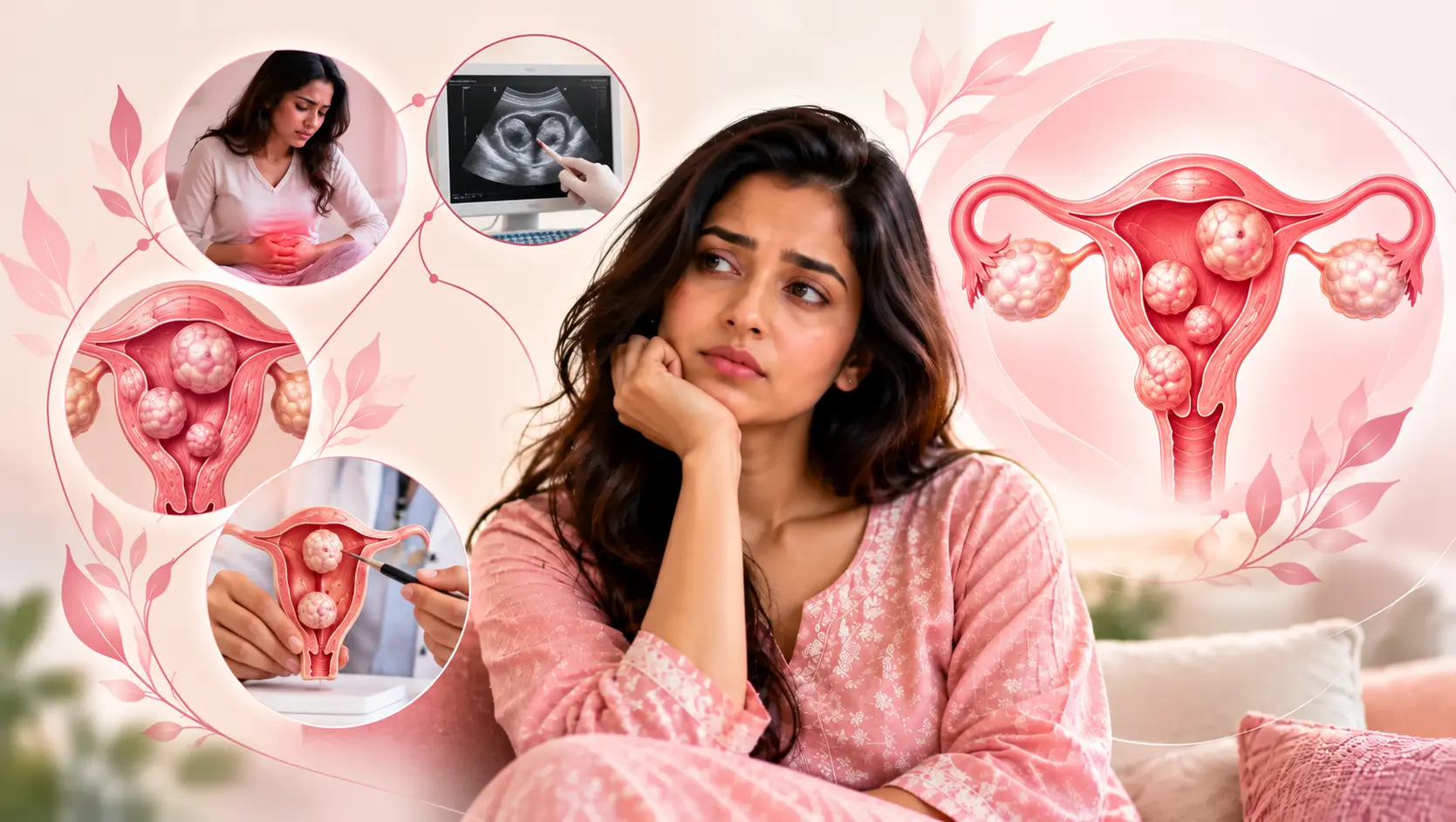
Uterine Fibroids Care at Vardaan
Complete uterine fibroid solutions with experienced fertility experts, advanced minimally invasive therapies, and personalized treatment strategies.

Struggling to Conceive? Talk to Our Fertility Expert
IVF Success Stories
30K+ Babies Delivered & Counting…











What Are Uterine Fibroids?
Uterine fibroids (also known as leiomyomas or uterine myomas) are non-cancerous growths of muscle and tissue that develop in or on the wall of the uterus—and they are far more common than most women realise. They come in four types: intramural (within the uterine wall), submucosal (beneath the inner lining), subserosal (on the outer surface), and pedunculated (attached via a stalk). While some women experience heavy or irregular bleeding, pelvic pain, and bloating, others have no symptoms at all and only discover fibroids during a routine check-up. Since fibroids often go undetected, regular screening is essential—consult our gynecologist in Amritsar or infertility specialist in Jalandhar at Vardaan Medical Center for early detection and personalised care.
Symptoms of Uterine Fibroids
Small fibroids often cause no symptoms and may go completely unnoticed—many women only discover them during a routine examination. Larger fibroids, however, can significantly impact daily life and reproductive health. Common symptoms include:
Heavy or Painful Periods
Excessive or painful bleeding during periods.
Bleeding Between Periods
Bleeding or spotting between menstrual periods.
Abdominal Fullness
A feeling of fullness or bloating in the lower abdomen.
Abdominal Enlargement
Abdominal enlargement that may resemble pregnancy.
Urinary Problems
Frequent urination or difficulty urinating.
Pain During Sex
Pain or discomfort during sexual intercourse.
Constipation
Difficulty passing stools due to pressure from fibroids.
Low Back Pain
Pain or discomfort in the lower back.
Increased Vaginal Discharge
An increase in vaginal discharge.
If you are experiencing any of these symptoms, don't ignore them—fibroids left undetected can worsen over time and affect fertility. Consult our fertility doctor in Amritsar or visit our fertility centre in Jalandhar at Vardaan Medical Center for a thorough evaluation and timely care.
Risk Factors for Uterine Fibroids
While any woman can develop uterine fibroids, certain factors increase your risk:
- Obesity — Excess body weight is linked to higher estrogen levels, which can promote fibroid growth
- Family history — Having a mother or sister with fibroids significantly raises your risk
- Never having children — Women who have not carried a pregnancy have a higher likelihood of developing fibroids
- Early first period — Getting your first period before age 11 increases risk
- Late menopause — Reaching menopause after age 55 prolongs estrogen exposure, increasing risk
Fibroids are most common in women between 30 and 50 years of age. They are rare before the first menstrual period and typically do not grow after menopause. If you fall into any of these risk categories, proactive screening is strongly advised—don't wait for symptoms to appear.
Consult our fertility specialist in Jalandhar or visit our women care centre in Amritsar at Vardaan Medical Center for early screening and expert guidance tailored to your health history.
How Are Uterine Fibroids Diagnosed?
Uterine Fibroids Diagnosed
Ultrasound
The most common first-line imaging tool; provides a clear picture of the uterus and any fibroid growths.
MRI or CT Scan
Offers detailed imaging to assess the size, number, and exact location of fibroids, especially when surgery is being considered.
Hysteroscopy
A thin, flexible camera is passed through the vagina into the uterus, allowing direct visualization of fibroids inside the uterine cavity.
Sonohysterography (Saline Ultrasound)
Saline is injected into the uterus via a catheter to create a clearer, more detailed ultrasound image than a standard scan.
Early and accurate diagnosis is key to preventing fibroids from affecting your fertility and overall health. Whether you are seeking routine screening or exploring options at our IVF centre in Amritsar or looking for advanced diagnostic care at our fertility clinic in Jalandhar Vardaan Medical Center is equipped to guide you at every step.
Medications for Uterine Fibroids
While not all causes of irregular periods are preventable, these self-care habits can significantly reduce your risk:
- OTC Pain Medications — Ibuprofen and acetaminophen provide effective relief from pelvic pain and discomfort caused by fibroids.
- Iron Supplements — Prescribed when excess bleeding leads to anaemia, helping restore healthy haemoglobin levels
- Birth Control — Hormonal contraceptives help manage heavy menstrual bleeding and cramping associated with fibroids; available in multiple forms including pills, IUDs, and injections
- GnRH Agonists & Antagonists — Used to treat heavy uterine bleeding and temporarily shrink fibroids, particularly before surgical removal. Important to note — fibroids can regrow once medication is stopped, so these are not a permanent solution
- Tranexamic Acid — An oral medication specifically used to reduce heavy menstrual bleeding caused by fibroids, taken as needed during your perio
For women also planning a pregnancy, medication choice matters significantly, as some options affect fertility. Our top infertility specialist in Jalandhar will ensure your fibroid treatment plan is fully aligned with your fertility goals, and our team offering infertility treatment in Amritsar at Vardaan Medical Center is here to support you through every stage of care.
Not sure whether IVF is the right next step?
Our fertility specialists can guide you through the most suitable treatment options for your situation.
Struggling to Conceive? Talk to Our Fertility Expert

Why Choose Vardaan?
At Vardaan Hospital, we provide comprehensive, patient-centered care for uterine fibroids using advanced diagnostic imaging and customized treatment plans. Our experienced fertility and gynecological specialists prioritize uterine-preserving and minimally invasive therapies to manage symptoms like heavy bleeding and pelvic pain while safeguarding your reproductive health and fertility with complete transparency.
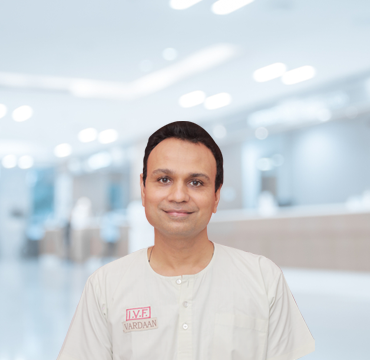
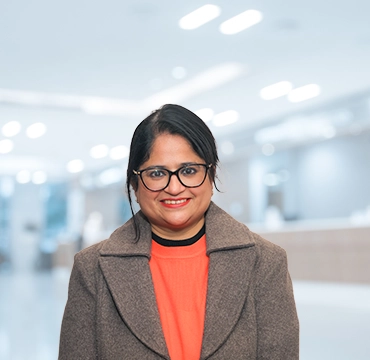
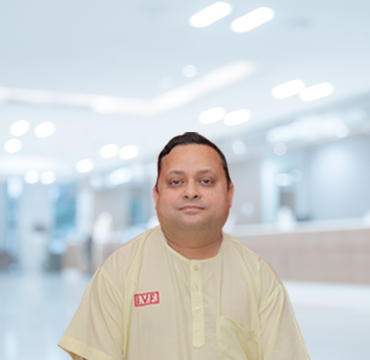
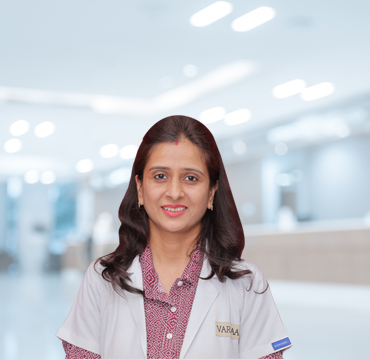
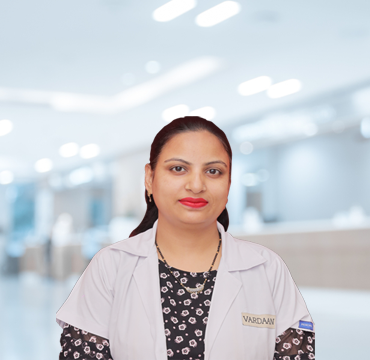
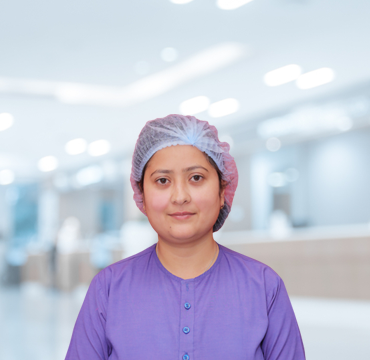
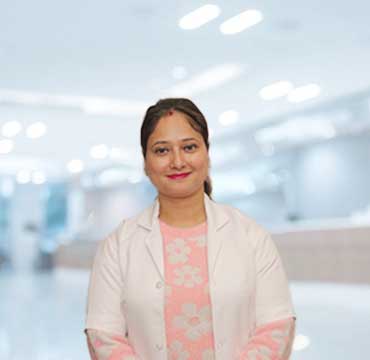
Our IVF & Fertility Care Team
Meet our experienced fertility specialists, embryologists, medical officers and dedicated support team.


.png)

Frequently Asked Questions
Fibroids are generally considered for surgical removal if they exceed 5 to 6 centimeters, grow rapidly, or cause severe, unmanageable symptoms.
Fibroids usually do not disappear completely on their own, though they often shrink significantly after menopause due to declining hormone levels.
Yes, many women with fibroids conceive naturally, though certain types (like submucosal fibroids) may require treatment to prevent fertility complications.
The best treatment depends on your symptoms and fertility goals, ranging from medical therapy to minimally invasive procedures or uterine-preserving surgery.