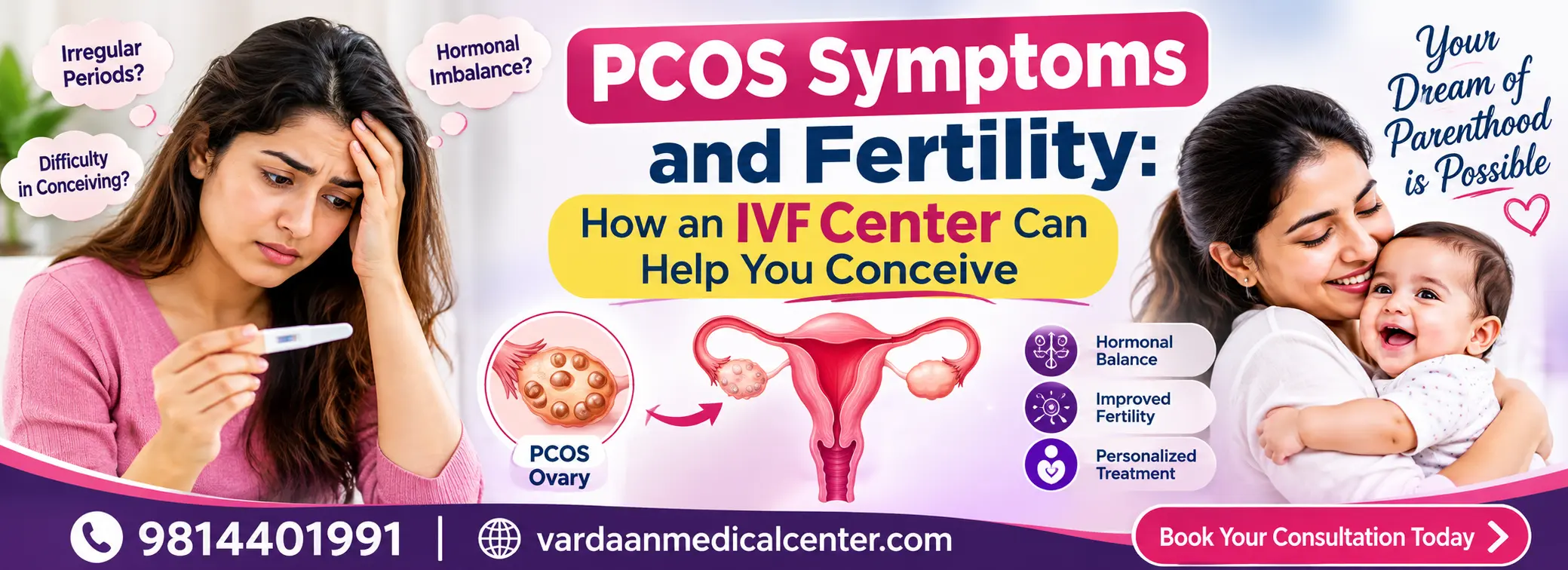

If you've been diagnosed with PCOS (Polycystic Ovary Syndrome) and are finding it hard to get pregnant, please know you're not alone. PCOS is one of the most common hormonal problems in women of childbearing age, and it's also one of the leading causes of infertility in India. It upsets your hormone balance and stops your ovaries from releasing eggs regularly, which can make it harder to conceive naturally.
The good news? Millions of women with PCOS go on to have healthy pregnancies, and IVF has helped many of them get there. In IVF (In Vitro Fertilization), eggs are fertilized with sperm in a lab, and the healthy embryo is then placed in the womb, giving women with PCOS a much better chance of becoming mothers.
But IVF for PCOS isn't a one-size-fits-all treatment. Women with PCOS often respond differently to fertility medicines, which is why the right plan and close monitoring matter so much. In this blog, we'll explain why PCOS can make IVF a little more complex and how an experienced team at a trusted IVF center in Jalandhar can manage it safely to give you the best chance of success.
What Is PCOS?
PCOS (Polycystic Ovary Syndrome) is a common hormonal condition that affects how your ovaries work. It affects about 8 to 13% of women of childbearing age worldwide, and it's very common in India too, especially with today's busy lifestyles, stress, and changing eating habits.
There's no single test for PCOS. Instead, doctors look for at least two of these three signs, known as the Rotterdam criteria:
Sign | What It Means |
Irregular or missing periods | Cycles longer than 35 days, or no periods at all |
High male hormones (androgens) | Acne, extra facial or body hair, or thinning hair on the scalp |
Polycystic ovaries on ultrasound | Ovaries with many small follicles (20 or more in each ovary on modern scans) |
If you notice any of these signs and are trying to conceive, a visit to a trusted IVF clinic in Jalandhar can help confirm the diagnosis and plan the right treatment early.
Common Symptoms of PCOS
PCOS doesn't look the same in every woman. Some have just one or two signs, while others notice several. Common symptoms for polycystic ovarian syndrome include:
Irregular periods: Cycles longer than 35 days, or periods that stop altogether.
Trouble getting pregnant: PCOS is one of the most common reasons women struggle to conceive.
Extra hair growth: Unwanted hair on the face, chest, or back.
Acne and oily skin: Breakouts that are hard to control.
Weight gain: Especially around the belly, and often difficult to lose.
Dark skin patches: Thick, velvety, darker skin on the neck, underarms, or groin.
How Does PCOS Affect Fertility?
PCOS can affect fertility in three main ways:
Irregular ovulation: To conceive, your ovary needs to release a mature egg. With PCOS, this often happens irregularly or not at all, which is the biggest hurdle.
Hormone imbalance: High LH levels and insulin resistance can affect how well eggs mature and how easily an embryo implants.
Womb lining changes: The lining of the uterus may not always be ready to welcome and support an embryo, even after fertilization.
Having PCOS doesn't mean you can't have a baby. With the right care at a trusted IVF hospital in Jalandhar, many women with PCOS conceive successfully.
Can Women with PCOS Have IVF?
Yes, and IVF often works very well for women with PCOS. Since their ovaries usually have many follicles, doctors can help several eggs mature at once, taking away the guesswork of tracking with an ovulation date calculator.
The main risk is Ovarian Hyperstimulation Syndrome (OHSS), where the ovaries over-respond to medicines, but careful monitoring keeps it well managed.
PCOS and IVF Success Rates: What Can You Expect?
IVF success rates for women with PCOS are usually good, especially under 35. Your chances depend on:
Age: Younger women usually have better eggs.
Weight and insulin: Managing these improves egg quality.
Embryo quality: Choosing the healthiest embryo matters.
Womb lining: Proper preparation helps implantation.
Thyroid and prolactin: These should be balanced first.
If your first cycle ends with an hCG test negative result, don't lose hope, as many women succeed in the next cycle.
What Should You Do Before Starting IVF for PCOS?
IVF isn't always the first step. Doctors usually follow this path:
Lifestyle changes: Losing 5 to 10% of body weight can restart ovulation in some women.
Ovulation medicines: Tablets like letrozole help release an egg.
IUI: Tried next if medicines alone don't work.
IVF: Recommended if other treatments fail or there are added issues.
A trusted IVF centre in Jalandhar will plan treatment based on what's truly right for you.
Lifestyle Changes to Boost IVF Success with PCOS
Small, steady changes in your daily routine can make a real difference to your IVF journey:
Eat balanced meals: Fill your plate with whole grains, fruits, vegetables, dal, paneer, eggs, and healthy fats to keep blood sugar steady and support regular ovulation.
Stay active: Brisk walks, yoga, or swimming help manage weight and improve how your body uses insulin.
Manage stress: Meditation, deep breathing, or simply taking time for yourself can ease the emotional ups and downs of treatment.
These simple habits help prepare your body for a healthy pregnancy.
Emotional Challenges and Support During IVF for PCOS
IVF with PCOS can feel overwhelming at times, and it's okay to feel worried or frustrated. Lean on your partner, family, or friends, and share your concerns openly with your fertility team. Counselling or support groups can also help you feel less alone. Most of all, be gentle with yourself, as every step forward counts.
Key Takeaways
PCOS is one of the most treatable causes of infertility, and with the right care, your chances are truly good. Don't rush, as good preparation matters. Book a consultation with our fertility team to find the right plan for you.
Frequently Asked Questions
1. Can I get pregnant naturally with PCOS?
Yes, many women with PCOS conceive naturally, though some may need medical help.
2. Why does PCOS cause infertility?
PCOS can stop regular ovulation, so eggs aren’t released every month.
3. When should a woman with PCOS see a fertility specialist?
If you’ve been trying for a year (or six months if over 35) without success, visit an IVF center.
4. Is IVF successful for women with PCOS?
Yes, women with PCOS often respond well to IVF, as they usually produce more eggs.