Blocked fallopian tubes are one of the most common causes of female infertility. For many women, hearing this diagnosis raises immediate fears about whether pregnancy is still possible. The good news is that IVF (In Vitro Fertilization) has transformed the outlook for women with tubal infertility. But an important and very human question remains: what are the actual chances of success with IVF if your fallopian tubes are blocked?
This article explains everything you need to know. From how blocked tubes affect fertility to IVF success rates, influencing factors, and whether surgery is required before treatment. So you can make informed, confident decisions.
Can You Get Pregnant With Blocked Fallopian Tubes?
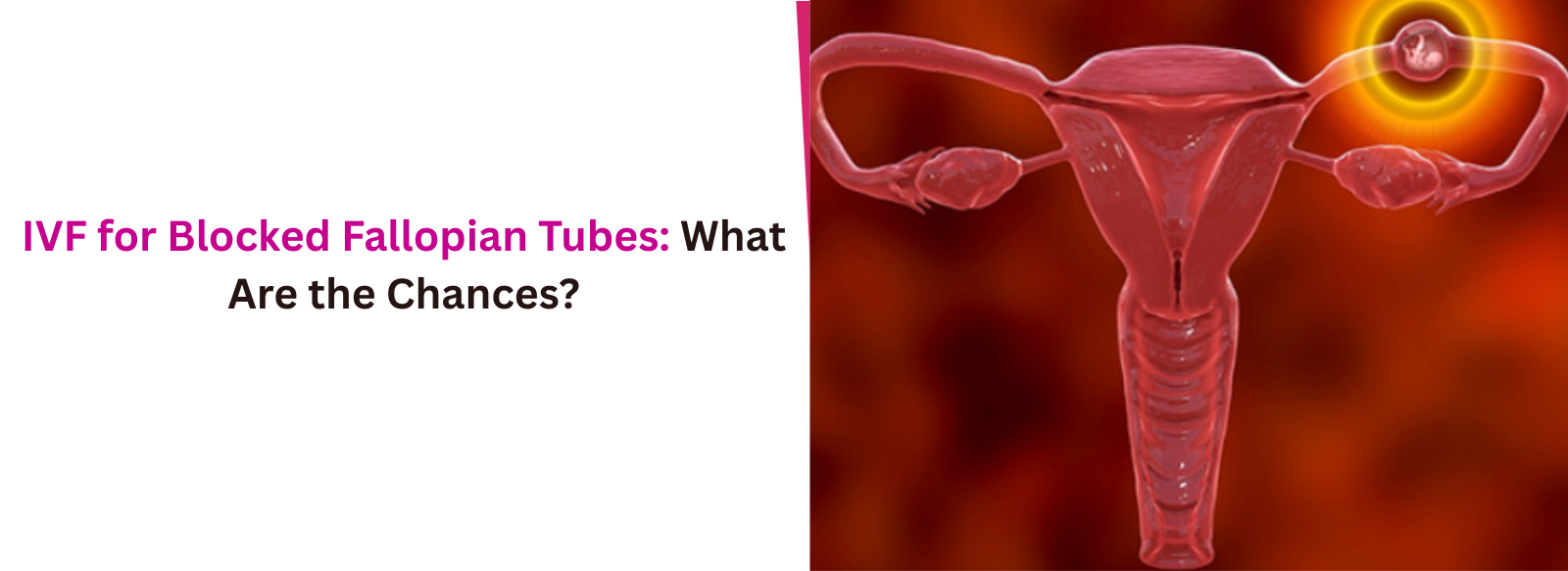
Fallopian tubes play a crucial role in natural conception. They are responsible for picking up the egg after ovulation, allowing fertilization to occur, and transporting the embryo to the uterus.
When one or both tubes are blocked:
Sperm cannot reach the egg
Fertilization cannot happen naturally
The chances of pregnancy drop significantly
If both tubes are blocked, natural conception is extremely unlikely. If only one tube is blocked, pregnancy may still occur, but the chances are reduced and unpredictable.
What Are Blocked Fallopian Tubes?
Blocked fallopian tubes (also known as tubal occlusion) occur when the tube is partially or completely obstructed, preventing normal egg and sperm movement.
Types of Tubal Blockage
Partial blockage: Some passage remains, but fertility is reduced
Complete blockage: No passage at all; natural pregnancy is unlikely
Based on Location
Proximal blockage: Near the uterus
Distal blockage: Near the ovary
Bilateral blockage: Both tubes affected
Unilateral blockage: One tube affected
The severity and location of the blockage help doctors decide the best treatment approach.
Common Causes of Fallopian Tube Blockage
Understanding the cause of blockage is important, as it can influence IVF success and treatment planning.
Most common causes include:
Pelvic inflammatory disease (PID)
Sexually transmitted infections
Endometriosis
Pelvic or abdominal surgery
Previous ectopic pregnancy
Genital tuberculosis (especially common in India)
Adhesions or scar tissue
Some women have blocked tubes without noticeable symptoms, and the condition is often discovered during fertility investigations.
Can IVF Work If Fallopian Tubes Are Blocked?
Yes, IVF is one of the most effective treatments for blocked fallopian tubes. Why IVF Works
IVF does not rely on fallopian tubes at all:
Eggs are retrieved directly from the ovaries
Fertilization happens in a laboratory
The embryo is placed directly into the uterus
Because of this, tubal blockage (whether partial or complete) does not prevent IVF from working. In fact, tubal infertility is considered one of the best indications for IVF, with consistently strong outcomes.
IVF Success Rate for Blocked Fallopian Tubes
IVF success rates depend primarily on age and overall reproductive health—not the presence of blocked tubes.
Average IVF Success Rates (Per Cycle)
Under 35 years: 45–55%
35–37 years: 35–45%
38–40 years: 25–35%
Over 40 years: 10–20%
Women with tubal infertility often have equal or better success rates than women with unexplained infertility or severe endometriosis, provided the uterus and ovaries are healthy.
One Tube vs Both Tubes Blocked
One tube blocked: IVF success similar to general IVF population
Both tubes blocked: IVF remains highly effective
Factors That Affect IVF Success in Tubal Blockage Cases
While blocked tubes alone do not reduce IVF success, several other factors can.
Key Influencing Factors
Age: The most critical factor
Egg quality and ovarian reserve
Sperm quality
Uterine health
Hormonal balance
Lifestyle factors (smoking, obesity, stress)
The overall fertility profile matters more than tubal status alone.
What Is Hydrosalpinx, and How Does It Affect IVF?
Hydrosalpinx is a condition where a fallopian tube becomes swollen and filled with fluid due to severe blockage.
Why Hydrosalpinx Is a Concern
The toxic fluid can leak into the uterus
It reduces embryo implantation rates
It increases miscarriage risk
Studies show that untreated hydrosalpinx can reduce IVF success by up to 50%.
Recommended Management
Laparoscopic removal of the affected tube
Tubal clipping before IVF
Treating hydrosalpinx significantly improves pregnancy outcomes.
Should Blocked Fallopian Tubes Be Removed Before IVF?
Not all blocked tubes need removal. Surgery is recommended only in specific situations.
Surgery May Be Needed If:
Hydrosalpinx is present
Recurrent pelvic infections exist
Tubes are severely damaged
Previous IVF failures are linked to tubal fluid
Surgery May Not Be Needed If:
Tubes are blocked but dry
No hydrosalpinx is detected
The uterus is healthy
Your fertility specialist will evaluate this through ultrasound, HSG, or laparoscopy.
IVF vs Tubal Surgery: Which Is Better?
Many women wonder whether repairing the tubes is better than proceeding directly with IVF.
Tubal Surgery
It aims to repair blocked fallopian tubes to allow natural conception. Its main advantage is the possibility of getting pregnant without assisted reproductive techniques. However, success rates are generally lower compared to IVF, especially in cases of severe tubal damage. The procedure also carries a higher risk of ectopic pregnancy, requires longer recovery time, and may delay effective fertility treatment.
IVF Approach
The IVF approach offers significantly higher success rates for women with blocked fallopian tubes, as it completely bypasses tubal damage. It delivers faster and more predictable results compared to surgical repair and greatly reduces the risk of ectopic pregnancy. However, IVF involves a higher upfront financial cost and requires emotional commitment, as the treatment process can be physically and mentally demanding.
For moderate to severe tubal blockage, IVF is usually the better and safer option.
Chances of Pregnancy After the First IVF Cycle
While IVF offers high success rates, not everyone conceives in the first attempt.
What to Expect
Many women conceive within 1–3 cycles
Cumulative success increases with repeated cycles
Embryo freezing improves long-term outcomes
Doctors often evaluate results after each cycle and adjust protocols to improve chances.
IVF Treatment Process for Women With Blocked Tubes
Here’s what the IVF journey typically looks like:
Step-by-Step Process
Initial fertility evaluation
Hormonal stimulation
Egg retrieval
Sperm collection and fertilization
Embryo culture
Embryo transfer
Pregnancy test after 10–14 days
The entire cycle usually takes 4–6 weeks from start to finish.
Risks and Complications of IVF in Tubal Infertility
IVF is generally safe, but it’s important to be aware of potential risks.
Possible Risks
Ovarian Hyperstimulation Syndrome (OHSS)
Mild procedure-related discomfort
Emotional stress
Rare ectopic pregnancy
Most risks are manageable with modern protocols and close monitoring.
Cost of IVF for Blocked Fallopian Tubes
The cost of IVF varies based on location, clinic, and treatment complexity.
Average IVF Cost in India
₹1.2 to ₹2.5 lakhs per cycle
Additional costs if surgery is required
Medications may add to the total
Some couples may need more than one cycle, so financial planning is important.
Who is the Best Candidate for IVF With Blocked Tubes?
IVF offers the highest chances of success when:
The woman is under 38 years old.
Ovarian reserve is good
Uterus is healthy
Male factor infertility is manageable
Hydrosalpinx is treated if present
Even women with long-standing infertility can achieve pregnancy with the right treatment plan.
Conclusion
Blocked fallopian tubes no longer mean the end of your fertility journey. IVF has made pregnancy possible for millions of women with tubal infertility, offering success rates comparable to other infertility causes.
With proper evaluation, expert care, and realistic expectations, IVF can be a powerful and effective path to parenthood. Even when both fallopian tubes are blocked. Consulting an experienced fertility specialist early can make all the difference in outcomes and peace of mind.
Vardaan Hospital: Best IVF Center in India
If you are looking for the best IVF centre in Jalandhar & Amritsar, Vardaan IVF Hospital in Jalandhar stands out for its advanced fertility care and consistently high success rates. Backed by cutting-edge IVF technology and personalized treatment protocols, the hospital is led by a top fertility specialist in Punjab with 24+ years of clinical expertise. From diagnosis to successful pregnancy, Vardaan Hospital offers compassionate care, transparency, and trusted results for 30,000+ hopeful parents across the region. Book your appointment.