
Repeated IVF failures can feel emotionally exhausting, especially in India, where parenthood is deeply tied to family expectations and social identity. Medically, repeated IVF failure typically means 2–3 unsuccessful IVF cycles, often due to underlying IVF failure reasons like embryo quality, uterine issues, or implantation problems. If you’re wondering what to do after failed IVF, know that advanced, personalized solutions exist. Today, repeated IVF failure treatment in India combines precise diagnostics with advanced IVF techniques to improve outcomes. With the right approach and guidance from the best IVF doctor in India, IVF success after multiple failures is possible, even after two failed IVF cycles.
What is Repeated IVF Failure?
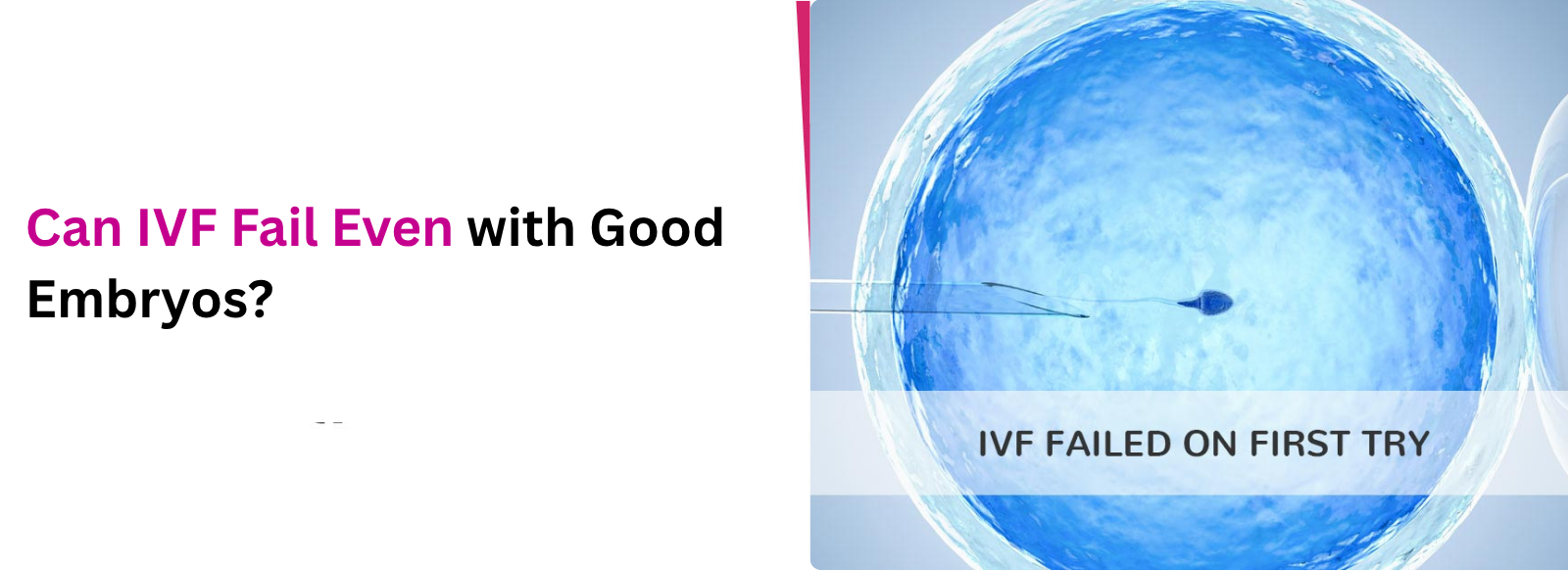
Repeated IVF failure is medically defined as two or more unsuccessful IVF cycles where good-quality embryos fail to result in a sustained pregnancy. It typically involves two scenarios: implantation failure, where the embryo does not attach to the uterus at all, and biochemical pregnancy loss, where implantation begins but ends very early, often before a heartbeat is seen. In simple terms, either the embryo isn’t “sticking,” or it starts to grow but cannot continue. If this happens repeatedly, especially after 2–3 cycles, it signals the need for deeper evaluation and personalized treatment to identify underlying causes.
Why Does IVF Fail Repeatedly?
Repeated IVF failure is rarely due to a single issue. It is often a combination of biological, hormonal, and lifestyle factors. Understanding these root causes helps fertility doctors personalize treatment and improve success chances.
1. Embryo-Related Factors
Embryo quality is one of the most critical determinants of IVF success. Even if embryos look healthy under the microscope, they may carry chromosomal abnormalities (aneuploidy) that prevent proper development or implantation. Genetics from both partners play a role here. In simple terms, the embryo may appear “good” but lacks the correct genetic blueprint to grow into a pregnancy, leading to repeated failure despite multiple transfers.
2. Uterine Factors
A receptive uterus is essential for implantation. Conditions like thin endometrium, fibroids, polyps, or intrauterine adhesions can disrupt embryo attachment. Medically, the uterine lining must reach optimal thickness and blood flow. Simply put, even a strong embryo needs the “right soil” to grow. If the uterine environment isn’t supportive, implantation may fail repeatedly despite good-quality embryos.
3. Immunological Causes
In some cases, the body’s immune system mistakenly treats the embryo as a foreign entity. Elevated natural killer (NK) cells or autoimmune conditions can interfere with implantation. Clinically, this creates a hostile uterine environment. In easier terms, the body becomes “overprotective” and rejects the embryo before it can settle, leading to repeated IVF failures without obvious structural issues.
4. Hormonal Imbalance
Hormones regulate every stage of implantation and early pregnancy. Disorders like thyroid imbalance, PCOS, or low progesterone levels can disrupt the timing and support needed for embryo implantation. From a simple perspective, hormones act like signals. If these signals are delayed or unbalanced, the uterus may not be ready when the embryo arrives, reducing the chances of successful pregnancy.
5. Male Factor Infertility
Male fertility also plays a significant role, even when basic semen parameters appear normal. Sperm DNA fragmentation can affect embryo development and increase the risk of implantation failure or early miscarriage. In layman's terms, the sperm may fertilize the egg, but hidden DNA damage can prevent the embryo from growing properly, contributing to repeated IVF failure.
6. Lifestyle & Age Factors
Age significantly impacts egg quality, with higher chances of chromosomal abnormalities after 35. Additionally, lifestyle factors like smoking, obesity, high stress, and poor sleep can affect both egg and sperm health. Simply put, as age increases and lifestyle factors worsen, the body’s natural reproductive efficiency declines, making IVF success more challenging without targeted interventions.
Tests Recommended After Repeated IVF Failure
After repeated IVF failures, a targeted diagnostic approach becomes necessary to uncover hidden causes. Instead of repeating cycles blindly, these advanced tests help personalize treatment. Because accurate diagnosis directly improves IVF success rates.
Genetic Testing (PGT-A): Screens embryos for chromosomal abnormalities before transfer, ensuring only genetically normal embryos are selected. Thus reducing implantation failure and miscarriage risk significantly.
Hysteroscopy: A minimally invasive procedure to examine the uterus internally, detecting fibroids, polyps, or adhesions that may prevent embryo implantation despite good embryo quality.
Endometrial Receptivity Analysis (ERA): Identifies the exact “implantation window” by analyzing endometrial gene expression, helping doctors time embryo transfer precisely for better chances of successful attachment.
Sperm DNA Fragmentation Test: Evaluates hidden DNA damage in sperm, which standard semen tests may miss. This is important when fertilization occurs but embryo development repeatedly fails.
Immunological Testing: Assesses immune-related factors like NK cells or autoimmune responses that may reject the embryo, guiding treatments to create a more receptive uterine environment.
Advanced Treatments After IVF Failure in India
After identifying the underlying causes, modern fertility care focuses on targeted, evidence-based interventions to improve implantation and pregnancy outcomes. These advanced approaches are widely available in India at leading IVF centers in India.
1. Embryo Selection Techniques
Advanced embryo screening like Preimplantation Genetic Testing for Aneuploidy helps identify chromosomally normal embryos before transfer. Medically, this reduces the risk of failed implantation and miscarriage. In simple terms, doctors select the “genetically healthiest” embryo, increasing the chances of success, especially useful after repeated IVF failures or in women with advanced maternal age.
2. Endometrial Receptivity Optimization
The Endometrial Receptivity Analysis determines the exact window when the uterus is most receptive to embryo implantation. Clinically, it personalizes embryo transfer timing based on gene expression. In easier terms, instead of guessing the best day, doctors find the precise moment when the uterus is “ready,” improving implantation chances in cases of repeated failure.
3. Immunotherapy Treatments
In selected cases, treatments like corticosteroids or Intravenous Immunoglobulin Therapy are used to regulate abnormal immune responses. Medically, these therapies reduce embryo rejection caused by immune overactivity. Simply put, they help calm an “over-defensive” immune system so the body can accept and support the embryo during early pregnancy.
4. Advanced IVF Techniques
Techniques like Intracytoplasmic Sperm Injection improve fertilization by injecting a single sperm directly into the egg. Blastocyst Transfer allows the transfer of more developed embryos with higher implantation potential. Time-Lapse Embryo Monitoring continuously tracks embryo development. In simple terms, these methods improve precision at every step, leading to better embryo selection and higher success rates.
5. Pregnancy with Donor Options
When egg or sperm quality is significantly compromised, options like Egg Donation, Sperm Donation, or Embryo Donation may be recommended. Clinically, these use healthy donor gametes to improve success rates. In practical terms, they offer a viable path to parenthood when repeated IVF failures are linked to genetic or age-related factors.
Natural & Lifestyle Improvements
While advanced treatments are a must, lifestyle and natural interventions play a powerful supportive role in repeated IVF failure treatment in India. Optimising daily habits can improve egg quality, sperm health, and overall implantation success, especially when combined with medical care.
Diet for Fertility (Indian Context): A balanced Indian diet rich in protein, healthy fats, iron, and antioxidants (dal, paneer, nuts, green vegetables) supports hormone balance and improves egg and sperm quality naturally.
Stress Management (Yoga & Meditation): Chronic stress elevates cortisol, disrupting reproductive hormones. Practices like yoga, pranayama, and meditation help regulate cycles and improve IVF success after multiple failures.
Supplements (Folic Acid, CoQ10, etc.): Clinically recommended supplements like folic acid, CoQ10, vitamin D, and omega-3 enhance cellular energy and egg quality, which is especially useful in treatment after 2 failed IVF cycles.
Sleep & Weight Optimization: Poor sleep and unhealthy weight affect insulin and hormone levels. Maintaining 7–8 hours of sleep and a healthy BMI improves implantation and overall IVF outcomes.
Success Rates After Repeated IVF Failure in India
Success rates after repeated IVF failure in India vary widely, but with the right approach, outcomes can improve significantly. After 2–3 failed cycles, average success rates may seem lower (10–25% per cycle), but this changes when underlying issues are properly identified. Realistically, couples should focus on cumulative success over multiple optimized cycles, not just one attempt.
Success improves with better diagnosis, such as identifying causes of implantation failure or genetic abnormalities. Access to advanced IVF labs in India, especially in metro cities, allows use of technologies like blastocyst culture, time-lapse imaging, and genetic screening. Most importantly, personalized protocols can dramatically increase the chances of IVF success after multiple failures. These protocols are customized medications, timing, and embryo transfer strategies. With expert guidance, many couples achieve pregnancy even after repeated IVF setbacks.
Cost of IVF Failure Treatment in India
The cost of repeated IVF failure treatment in India is relatively affordable compared to global standards, making it a preferred destination for fertility care. A single IVF cycle typically ranges from ₹1.2 lakh to ₹2.5 lakh, depending on the clinic, city, and complexity of the case.
However, after failed cycles, additional advanced tests may be recommended. Procedures like ERA (Endometrial Receptivity Analysis) can cost around ₹30,000–₹50,000, while genetic testing like PGT-A may range between ₹80,000 and ₹1.5 lakh. These add-ons increase upfront costs but often improve success rates, reducing repeated expenses over time.
Compared to countries like the US or UK, where IVF can cost 3–5 times higher, India offers high-quality yet cost-effective treatment, especially in cities like Delhi, Mumbai, and Bangalore, without compromising medical standards.
When to Change Your Fertility Clinic?
After repeated IVF failures, continuing with the same clinic without reassessment can delay success. Medically, one of the biggest red flags is a lack of protocol customization. If the same stimulation plan is repeated despite failure, it may not address your specific IVF failure reasons. Poor monitoring, limited investigation after 2 failed IVF cycles, or ignoring causes of implantation failure in IVF are also warning signs.
Equally important is lab quality and embryology expertise, as embryo development largely depends on lab conditions. Clinics without advanced IVF techniques or consistent blastocyst culture success may limit outcomes. In simple terms, if your treatment feels “standardized” rather than tailored, it’s time to reconsider. Because we believe choosing the best IVF doctor in India with a personalized, data-driven approach can significantly improve IVF success after multiple failures.
Emotional & Psychological Support After IVF Failure
Repeated IVF failure is not just a medical challenge. It deeply affects mental health, relationships, and self-worth. In India, societal pressure around parenthood can intensify feelings of guilt, isolation, and anxiety, especially for women. Medically, chronic stress can also impact hormonal balance, indirectly affecting IVF success.
This is why emotional and psychological support is a necessary part of treatment after failed IVF. Fertility counseling helps couples process grief, manage expectations, and stay mentally prepared for the next step. Simple practices like guided therapy, support groups, or stress-reduction techniques (yoga, meditation) can make a meaningful difference. Equally important is partner and family support. Open communication reduces emotional burden and strengthens resilience. A balanced mind often supports better decision-making and improves the overall IVF journey.
Alternatives to IVF Treatment in India
When IVF repeatedly fails, it’s important to explore alternative paths to parenthood based on medical suitability, emotional readiness, and legal considerations in India.
IUI (In Select Cases)
Intrauterine Insemination may be considered in specific situations like mild male-factor infertility or unexplained infertility. Medically, it involves placing processed sperm directly into the uterus to enhance natural fertilization. In simple terms, it’s a less invasive and more affordable option than IVF. But its success rates are lower, so it’s only suitable when underlying conditions are favorable.
Child Adoption
Adoption offers a non-biological yet fulfilling route to parenthood, governed in India by the Central Adoption Resource Authority. Legally, the process ensures ethical placement and child welfare. From a practical perspective, it allows couples to build a family without undergoing further medical procedures, though it requires emotional preparedness, patience, and compliance with legal protocols.
Surrogacy (India Legal Considerations)
Gestational Surrogacy is an option when carrying a pregnancy is medically not possible. In India, it is regulated under the Surrogacy (Regulation) Act, 2021, which permits only altruistic surrogacy under strict eligibility criteria. Simply put, another woman carries the pregnancy, but legal, ethical, and medical guidelines must be carefully followed before proceeding.
Next Step in Repeated IVF Failure Treatment
When you’re facing repeated IVF failures, the most important step is not to lose hope but to choose the right, personalized treatment approach. Every couple’s fertility journey is unique, and success often depends on identifying hidden causes with advanced diagnostics and tailoring the protocol accordingly.
At Vardaan IVF Hospital in Jalandhar, you receive expert care focused specifically on repeated IVF failure treatment in Punjab, combining medical precision with emotional support. If you’re unsure what to do after failed IVF cycles, now is the time to consult specialists who understand complex cases. Take the next step toward parenthood: book your consultation today.
Frequently Asked Questions
How many IVF failures are considered repeated failure?
Medically, repeated IVF failure is typically defined as 2 or more unsuccessful IVF cycles, especially when good-quality embryos fail to implant. In clinical practice across India, many fertility specialists begin deeper evaluation after 2–3 failed cycles, as this may indicate underlying issues like embryo quality, uterine abnormalities, or the causes of IVF implantation failure. If you’ve reached this stage, it’s crucial to explore repeated IVF failure treatment in India with advanced diagnostics and personalized protocols rather than continuing the same approach.
Can IVF work after 3 failures?
Yes, IVF success after multiple failures is absolutely possible, provided the treatment strategy is changed. After 3 failed cycles, fertility experts often reassess IVF failure reasons such as chromosomal issues, endometrial receptivity, or sperm DNA damage. With IVF advanced techniques like PGT-A, ERA testing, and personalized stimulation protocols, many couples successfully conceive even after repeated failures. Consulting an experienced specialist at Vardaan IVF Hospital can significantly improve outcomes through targeted treatment planning.
What is the best treatment after IVF failure?
The best treatment after IVF failure depends on identifying the exact cause. There is no one-size-fits-all solution. Advanced options include genetic embryo screening (PGT-A), endometrial receptivity analysis (ERA), and addressing hormonal or immunological factors. For some, donor programs may be recommended. In India, especially in regions like Punjab, clinics such as Vardaan IVF Hospital specialize in treatment after 2 failed IVF cycles using a personalized, data-driven approach to improve success rates.
Should I change my doctor after failed IVF?
Not always, but if you’ve had repeated IVF failures without a clear diagnosis or protocol change, seeking a second opinion is highly recommended. A good fertility specialist should adapt treatment based on previous outcomes, not repeat the same cycle. Signs to consider switching include lack of transparency, no advanced testing, or generalized protocols. Consulting the best IVF doctor in India or a specialized center like Vardaan IVF Hospital can provide fresh insights and significantly improve your chances.
Is IVF failure common in India?
Yes, IVF failure is relatively common, especially in the first cycle. Success rates in India typically range between 40–60% per cycle, depending on age, clinic quality, and underlying fertility issues. Factors like late marriage, PCOS prevalence, lifestyle stress, and limited early diagnosis contribute to failures. However, with repeated IVF failure treatment in India, advanced labs, and improved protocols, many couples achieve success in subsequent cycles. Especially when guided by experienced fertility centers and personalized care approaches.