An IVF failure can feel overwhelming. Many couples feel confused, exhausted, and unsure about what comes next. One of the most common questions after an unsuccessful cycle is simple but important. How soon can IVF be repeated after failure?
The honest answer is that repeated IVF failure treatment can usually be safely. However, the right timing depends on your body, the reason for failure, and your emotional readiness. There is no single timeline that fits everyone. Understanding the medical logic behind IVF repeat timing can help you move forward with confidence and clarity.
This article explains everything you need to know in simple, practical terms.
What Is Considered an IVF Failure?
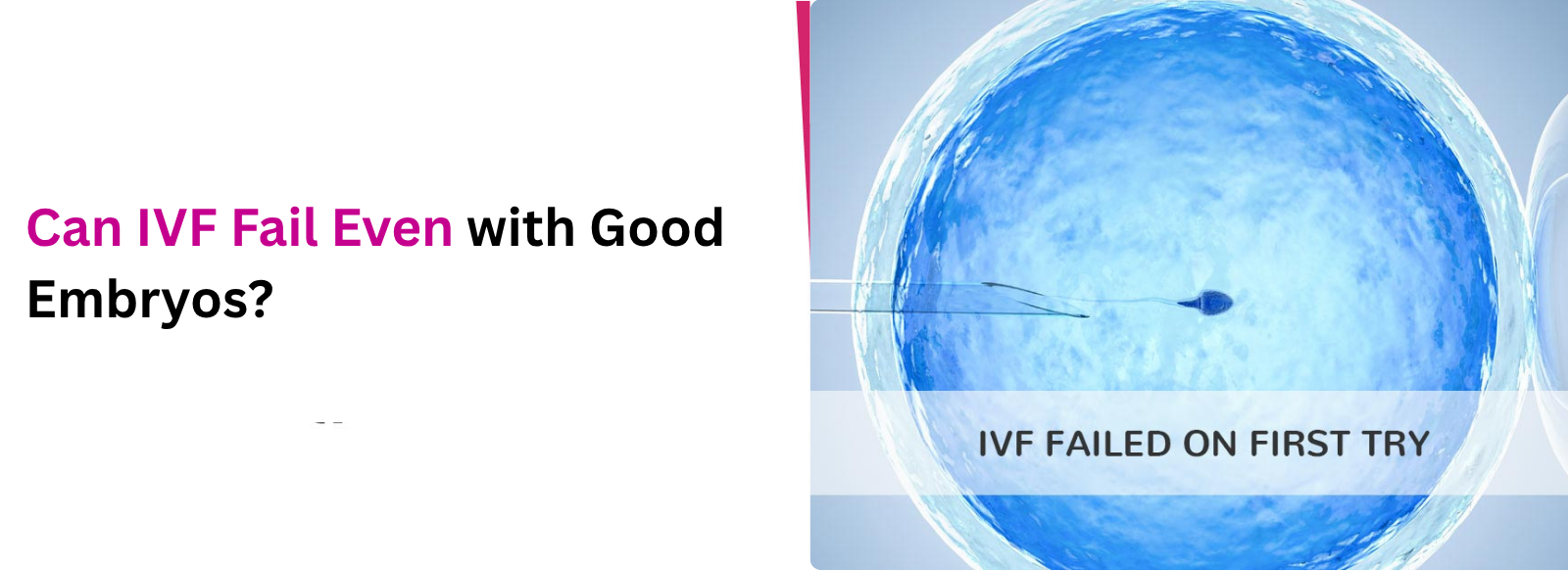
An IVF failure means that pregnancy does not continue after an IVF cycle. This can happen in different ways.
In some cases, embryos are transferred but do not implant in the uterus. This is called implantation failure. In other cases, pregnancy begins but ends very early. This may appear as a chemical pregnancy or an early miscarriage.
It is important to understand that one IVF failure does not mean IVF will never work. Many successful pregnancies happen after one or more failed attempts. IVF success often improves when doctors analyze what happened and adjust the treatment plan.
Can IVF Be Repeated After a Failed Cycle?
Yes, IVF can be repeated after a failed cycle. This is medically safe for most patients when done under proper supervision.
Doctors commonly plan multiple IVF cycles when needed. Repeating IVF is not unusual. In fact, cumulative success rates increase over time. Each cycle provides valuable information about egg quality, embryo development, and uterine response.
However, repeating IVF should not be rushed blindly. A careful review of the previous cycle is essential. This helps doctors decide whether the same approach can be continued or changes are needed for better results.
How Soon Can IVF Be Repeated After Failure?
Minimum Waiting Period After Failed IVF
In many cases, doctors recommend waiting one full menstrual cycle before starting IVF again. This usually means waiting about four to six weeks.
This break allows hormone levels to return to normal. The ovaries need time to recover from stimulation medications. The uterus also benefits from a short rest before another transfer.
Waiting does not reduce your chances. Instead, it helps prepare your body for a healthier and more effective cycle.
When IVF Can Be Repeated in the Next Cycle
Some patients can repeat IVF immediately in the next cycle. This may be possible if the ovaries responded well, hormone levels are stable, and there were no complications.
Frozen embryo transfer cycles can often be done sooner than fresh IVF cycles. Since ovarian stimulation is not required, physical recovery time is shorter.
Your fertility specialist will decide based on medical findings rather than a fixed rule.
Factors That Decide IVF Repeat Timing
Physical Recovery of the Body
IVF involves hormone injections that stimulate the ovaries. After egg retrieval, the ovaries may remain enlarged for some time. Hormone levels also remain elevated.
If the body does not fully recover, starting too soon may affect the response in the next cycle. Doctors assess ovarian size, hormone balance, and uterine lining before proceeding.
Good physical recovery improves embryo implantation and overall IVF success.
Type of IVF Failure
The reason IVF failed plays a major role in timing.
If implantation never occurred, IVF can usually be repeated sooner. If pregnancy occurred but ended in miscarriage, the uterus needs more time to heal.
Frozen embryo transfer failures often allow quicker repetition than fresh IVF failures.
Each situation is evaluated differently to protect both safety and success.
Age and Ovarian Reserve
Age is an important factor in fertility treatment. Women with lower ovarian reserve or advanced age may not be advised to wait too long.
Tests like AMH levels and antral follicle count help doctors decide whether delaying IVF could reduce success chances.
At the same time, rushing without recovery may harm outcomes. This balance is carefully managed by fertility specialists.
Emotional and Mental Readiness
IVF failure is emotionally exhausting. Stress, anxiety, and disappointment can affect mental health and even treatment outcomes.
Some patients feel ready to try again immediately. Others need time to recover emotionally.
Mental readiness matters. IVF requires patience, commitment, and emotional strength. Taking time to process the experience can be as important as physical healing.
What Tests Are Done Before Repeating IVF?
Before starting another IVF cycle, doctors usually recommend a review and basic testing.
Blood tests may be done to check hormone levels like FSH, LH, estrogen, and thyroid hormones. Ultrasound is used to assess ovarian recovery and uterine lining.
Embryology reports are reviewed carefully. Embryo quality, fertilization rates, and development stages provide clues for improvement.
In some cases, additional tests may be advised. These may include uterine cavity evaluation or genetic testing if repeated failures occur.
Testing helps tailor the next IVF cycle for better chances.
Should the IVF Protocol Be Changed After Failure?
Often, yes. Repeating the same protocol without changes may not address the underlying issue.
Doctors may adjust stimulation medications to improve egg quality or quantity. Trigger timing may be changed to improve egg maturity. Embryo culture methods may be refined.
In some cases, switching from fresh transfer to frozen transfer improves results. Endometrial preparation may also be modified.
Personalized IVF protocols based on previous responses usually lead to better outcomes than repeating the same approach.
Can IVF Be Repeated Immediately After a Chemical Pregnancy or Miscarriage?
A causes of chemical pregnancy is a very early pregnancy loss. In such cases, IVF can often be repeated after one normal menstrual cycle.
A clinical miscarriage usually requires more recovery time. Doctors may recommend waiting two to three months to allow the uterus to heal completely.
Hormone levels must return to baseline before starting again. Emotional recovery is also important after pregnancy loss.
Your doctor will guide you based on how early the loss occurred and how your body responds afterward.
Does Waiting Longer Improve IVF Success?
Waiting longer does not automatically improve IVF success. This is a common misconception.
What matters is quality preparation, not time alone. Waiting is helpful only when it allows recovery or correction of medical issues.
In some cases, delaying IVF unnecessarily may reduce chances due to age-related fertility decline.
The goal is not to wait longer but to start again at the right time with the right plan.
How Many IVF Cycles Are Usually Needed to Get Pregnant?
Many couples achieve pregnancy within one to three IVF cycles. Some need more attempts, especially if underlying fertility issues are complex.
Success rates increase when cycles are repeated with improved protocols. Each cycle provides information that helps refine treatment.
IVF success is cumulative. One failure does not define your journey. Persistence combined with medical guidance often leads to success.
When to See a Fertility Specialist After IVF Failure
A follow-up consultation after IVF failure is essential. This meeting helps you understand what happened and what can be improved.
Important questions include why implantation failed, whether embryo quality was optimal, and whether protocol changes are needed.
A fertility specialist can explain results clearly and help you decide when and how to proceed. Seeking guidance early reduces confusion and anxiety.
Final Thoughts and Next Steps
IVF failure is painful, but it is not the end of the road. Many successful pregnancies happen after one or more failed cycles.
IVF can usually be repeated safely when timed correctly. The right moment depends on physical recovery, emotional readiness, and medical planning.
Working closely with an experienced fertility specialist ensures that each step is taken with care and purpose. With proper evaluation and personalized treatment, hope remains very real.
At Vardaan IVF Center, we understand how difficult IVF failure can feel. Our experienced fertility specialists focus on personalized IVF treatment in Amritsar and Jalandhar with proper plans, clear guidance, and compassionate care. If you are planning your next IVF step, we are here to support you with science, safety, and hope. Book your appointment now.