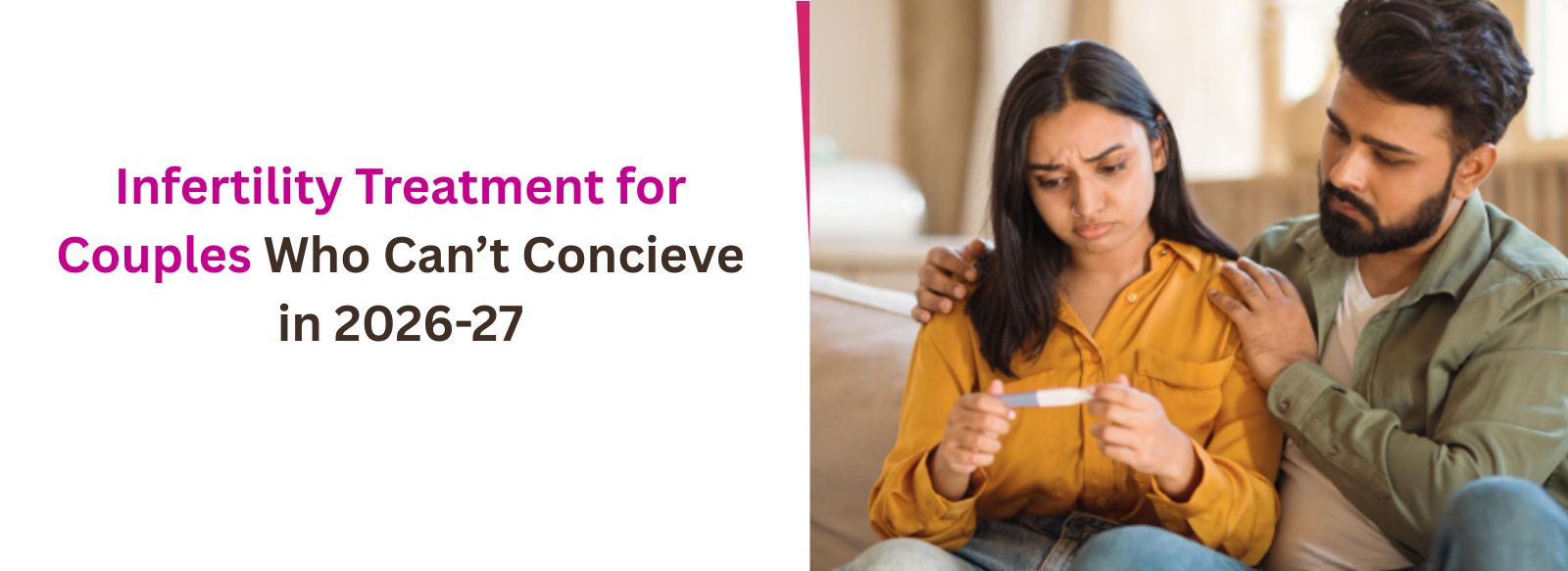

Waiting for a 'natural' miracle can often lead to unnecessary heartbreak. With the environmental and lifestyle shifts we’re seeing in 2026-27, the 'one-year rule' for seeking help is becoming a baseline, not a suggestion. If you are over 35, that window narrows to six months. We believe your time is your most valuable asset. Timely treatment at a specialized IVF center in Jalandhar like Vardaan IVF isn't just about medicine; it’s about shortening your 'Time to Pregnancy' and ensuring that your journey toward parenthood doesn't come at the cost of your mental well-being or your relationship.
Infertility in Couples
Infertility in couples is defined as the inability to conceive after 12 months of regular, unprotected intercourse. It can affect both men and women, and understanding its types helps in choosing the right treatment. Primary infertility refers to couples who have never achieved pregnancy, while secondary infertility occurs when a couple is unable to conceive after previously having a child.
Practical Insights: Couples trying to conceive for 1 year and unable to get pregnant only count nearly 10-15% in total infertility cases. Infertility definition can differ. For example, in European countries, when 2 years continue of trying to conceive but fail, it is only considered infertility.
Both partners contribute equally to infertility cases, with male and female factors each responsible in many situations, and some cases remaining unexplained. Common female causes include ovulation disorders and blocked tubes, while male infertility often involves low sperm count or poor sperm quality.
There are also several myths surrounding infertility, such as believing it is always a woman’s issue or that it cannot be treated. In reality, infertility is a shared condition, and many effective treatments are available today.
Primary Cause of Infertility in Couples
Primary causes of infertility can arise from female factors, male factors, or a combination of both.
Primary infertility causes in females:
Ovulation disorders (PCOS, hormones) cause irregular or absent egg release.
Blocked fallopian tubes mean sperm and eggs cannot meet.
Endometriosis tissue growth affecting reproductive organs.
Age-related decline reduced egg quality and quantity.
Hormonal imbalance disrupted the reproductive cycle and ovulation.
In men, infertility is often linked:
Low sperm count indicates insufficient sperm for fertilization.
Poor sperm motility reduced their ability to reach the egg.
Abnormal sperm shape causes difficulty penetrating the egg.
Hormonal problems impair sperm production and function.
Infertility can also be unclear in some cases, where no clear cause is found despite testing. This we call “Unexplained Infertility”.
Additionally, lifestyle and environmental factors such as stress, smoking, poor diet, obesity, and toxin exposure can negatively impact fertility in both men and women, making early evaluation and timely intervention important.
Infertility Treatment for Couples
Infertility treatment for couples depends on the underlying cause, age, and overall reproductive health. Modern fertility care offers a range of medical and assisted techniques that significantly improve the chances of conception. Treatment plans are usually personalized to achieve safe and effective results.
1. Advanced ART Treatments
Assisted Reproductive Technology (ART) includes advanced medical procedures that help achieve pregnancy by handling eggs, sperm, or embryos outside the body. These techniques are widely used when natural conception is difficult or unsuccessful.
ART is typically recommended in cases of blocked fallopian tubes, severe male infertility, failed previous treatments, advanced maternal age, or unexplained infertility.
1.1 IVF (In Vitro Fertilization) Treatment
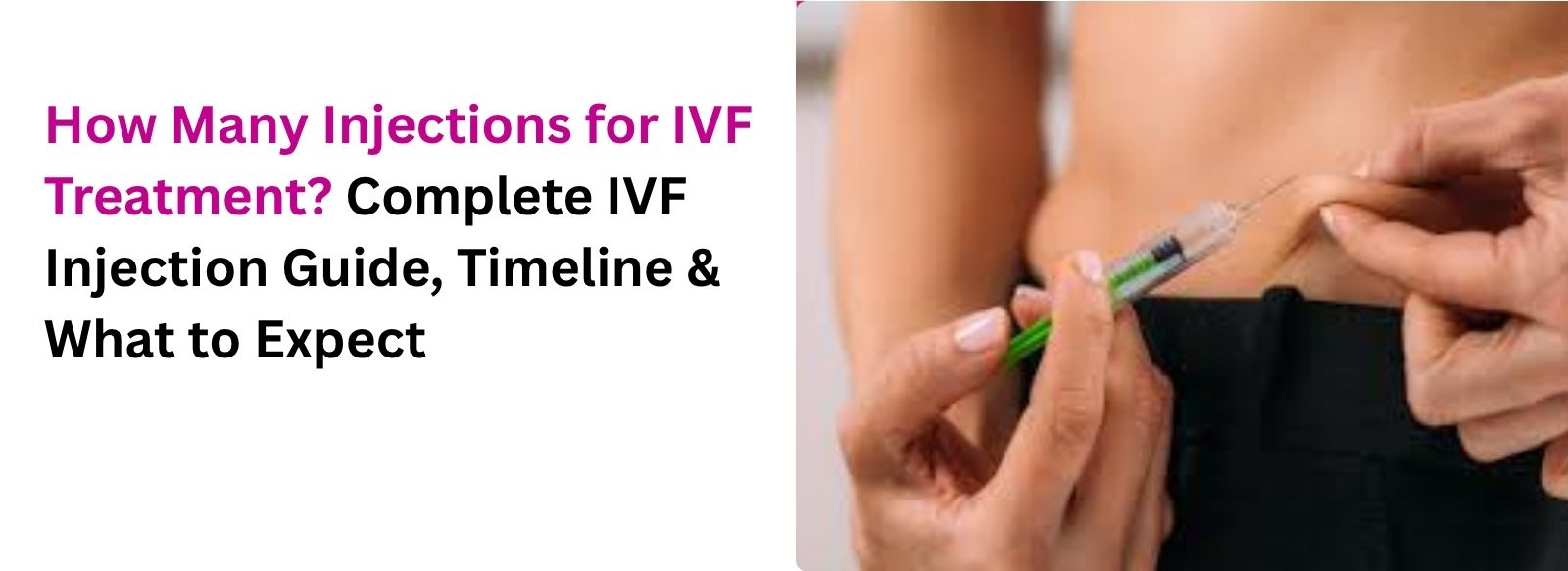
The IVF treatment involves ovarian stimulation, egg retrieval, fertilization in a laboratory, embryo development, and transfer into the uterus. Each stage is carefully monitored to improve success.
IVF is suitable for couples with blocked tubes, severe infertility issues, or those who have not conceived through simpler treatments.
IVF success depends on age, egg and sperm quality, embryo health, and clinic expertise. Younger patients (age < 35) generally have higher success rates, up to 70%.
Additional Tips: Traditional IVF is done in most cases across India, but clinics like Vardaan IVF Hospital in Punjab often use advanced techniques like laser hatching to increase the chance of infertility treatment.
1.2 IUI (Intrauterine Insemination) Treatment
IUI treatment is a simple procedure where prepared sperm is directly placed into the uterus during ovulation to increase the chances of fertilization.
It is recommended for mild male infertility, unexplained infertility, or cervical-related issues. IUI treatment has moderate success rates and may require multiple cycles for better results, especially in younger couples.
Additional Tips: Male infertility is responsible for roughly 40-45% of cases. When you visit an IVF clinic for infertility treatment, make sure to get a male infertility test done first. If male infertility is stopping couples from becoming pregnant, IUI is the best option to start treatment. It is more affordable than IVF and takes less time.
1.3 ICSI (Intracytoplasmic Sperm Injection) Treatment
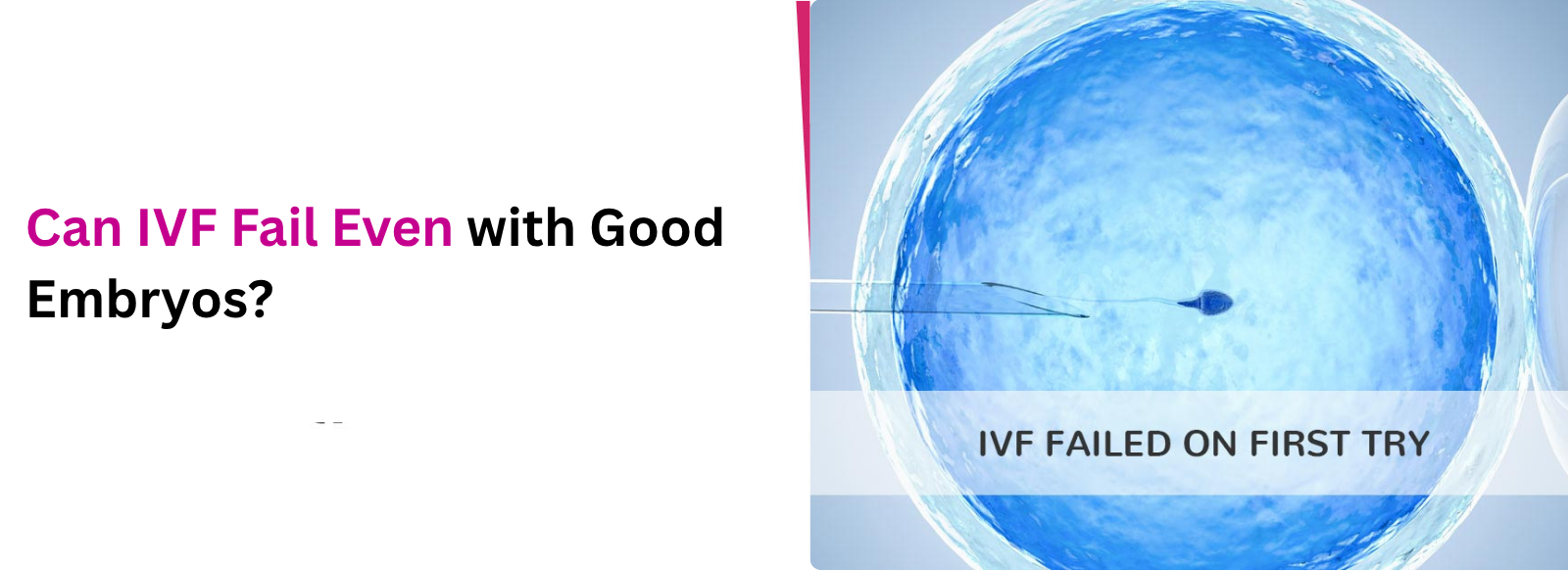
ICSI treatment is an advanced form of IVF where a single healthy sperm is directly injected into the egg, unlike conventional IVF where fertilization occurs naturally in the lab.
ICSI is preferred in cases of severe male infertility, previous IVF failure, or poor fertilization rates. It significantly improves fertilization chances even with low sperm count or poor motility, making it a highly effective option for male factor infertility.
Our Advice: When an egg is present but pregnancy is uncertain, we have observed that women frequently get excited. However, the quality of the eggs is a better indicator of a successful pregnancy than the quantity.
2. Ovulation Medication
Ovulation medications are used to stimulate the ovaries to produce and release healthy eggs. They help regulate hormonal imbalances and improve the timing of ovulation, increasing the chances of natural or assisted conception.
Commonly prescribed drugs include Clomiphene Citrate, Letrozole, and gonadotropins. These medications are selected based on the patient’s condition, age, and response to treatment.
Treatment is closely monitored through ultrasounds and hormone tests to track follicle growth and prevent complications. Proper medical supervision ensures safe and effective outcomes.
Some women may experience mild side effects like bloating, mood changes, or headaches. In rare cases, ovarian hyperstimulation or multiple pregnancies can occur.
3. Third-Party Reproduction
Third-party reproduction involves using donor sperm, eggs, embryos, or a surrogate when a couple cannot conceive with their own gametes. It is recommended in cases of poor egg/sperm quality, genetic concerns, or repeated IVF failures.
3.1 Donor Program
If one of the couple partners is unable to produce the desired reproductive output, doctors frequently recommend donor programs.
Donor sperm: Used when male infertility is severe or sperm is absent.
Donor eggs: Recommended for women with low ovarian reserve or poor egg quality.
Donor embryo: An option when both partners face fertility challenges.
All donors undergo strict medical, genetic, and infectious disease screening. Legal guidelines in India ensure ethical practices, confidentiality, and consent.
Donor programs often have higher success rates, especially in cases involving age-related infertility or poor gamete quality.
Additional Insights: Several studies and our own observations suggest that many infertile couples do not return to ART for subsequent children, despite having cryopreserved embryos available.
3.2 Surrogacy
Surrogacy is a legal and medical arrangement where a woman (surrogate) carries and gives birth to a child for another person or couple (intended parents). In India, only altruistic surrogacy is legally permitted, where the surrogate does not receive financial compensation beyond medical expenses.
The process involves medical screening, legal agreements, embryo transfer, and regular monitoring. Eligibility is defined by strict medical and legal criteria. Surrogacy is regulated by law in India, ensuring protection for the surrogate, intended parents, and child through proper documentation and approvals.
The surrogacy process involves emotional commitment and financial planning. Counseling and professional guidance help couples navigate the journey with clarity and support.
4. Surgical Procedures
Surgical procedures are recommended when structural issues in the reproductive system affect fertility. These may include blocked fallopian tubes, fibroids, polyps, adhesions, or endometriosis that cannot be managed with medications alone.
4.1 Laparoscopy Procedure
Laparoscopy is a minimally invasive procedure used to diagnose and treat conditions like endometriosis, ovarian cysts, adhesions, and blocked fallopian tubes.
It involves small incisions, less pain, quicker recovery, and minimal hospital stay, allowing patients to resume normal activities within a short time.
4.2 Hysteroscopy Procedure
Hysteroscopy is used to examine and treat issues inside the uterus, such as fibroids, polyps, septum, or scar tissue that may affect implantation.
It is a safe, incision-free procedure with faster recovery, accurate diagnosis, and improved chances of successful pregnancy.
5. Lifestyle Modifications
Lifestyle changes play a crucial role in improving fertility naturally and enhancing the success of medical treatments. Healthy habits support hormonal balance and reproductive health.
5.1 Personalized Diet Planning
A balanced diet rich in fruits, vegetables, whole grains, healthy fats, and proteins supports reproductive function and overall health.
Key nutrients like folic acid, iron, vitamin D, and antioxidants should be maintained to improve fertility outcomes.
5.2 Exercise and Yoga
Regular moderate exercise helps maintain hormonal balance, improves blood circulation, and supports overall reproductive health.
Yoga techniques such as pranayama and stress-relieving poses can improve relaxation and support fertility. Maintain an average of 20 minutes of walking and movement to control stress and cortisol levels in the body.
5.3 Weight Management
Both underweight and overweight conditions can disrupt hormones and ovulation, reducing fertility chances.
Maintaining a healthy weight through proper diet and regular exercise improves reproductive outcomes and treatment success. Keep BMI in the normal range of 18 to 24 kg/m².
5.4 Stress Management
Stress can negatively impact hormonal balance and fertility, making emotional well-being important.
Practices like meditation, deep breathing, and mindfulness help reduce stress levels.
In order to manage the emotional difficulties associated with infertility, professional counseling and partner support are highly recommended.
Diagnosis & Fertility Testing in Couples
Diagnosis and fertility testing help identify the underlying cause of infertility and guide the right treatment approach.
Here are common female fertility tests:
AMH test: evaluates ovarian reserve and egg count.
Ultrasound scan: checks ovaries, follicles, and uterus.
HSG test: detects blocked fallopian tubes.
Most common male fertility test is semen analysis, which measures sperm count, motility, and shape. However, recent studies have shown that semantic analysis is not a guarantee of absolute accuracy. In fact, studies have begun to show that even normal sperm does not ensure fertility in men. Despite normal sperm, infertile men consistently have higher levels of inflammatory cytokines (IL-6, TNF-α, CXCL8), though further research is needed. Take antioxidants to help with inflammation issues. Research has begun to show how antioxidants can help with male infertility.
When to Get Tested:
Trying over 12 months: no successful pregnancy.
Woman over 35: try for 6 months.
Irregular periods: possible ovulation issues.
Known medical conditions: affecting reproductive health.
Cost of Infertility Treatments in Couples
The cost of infertility treatments varies depending on the procedure and individual medical needs. IVF cost typically includes consultations, medications, lab procedures, and embryo transfer, making it more expensive than other options. In comparison, IUI is a simpler and more affordable treatment but may require multiple cycles, while IVF offers higher success rates per cycle.
New IVF cost at Vardaan Infertility Treatment Hospital has been quoted at INR 70,000 per cycle, but it can go up to INR 250,000 per cycle, depending on the case.
Several factors affect the total cost, including age, diagnostic tests, medication dosage, clinic expertise, and the need for advanced techniques like ICSI or donor programs. Additional procedures can increase overall expenses.
Many fertility clinics offer flexible financing options, EMI plans, or treatment packages to make care more accessible and manageable for couples planning their fertility journey.
Infertility Treatment in Couples: Expectations
Success rates in infertility treatments vary depending on the procedure, with IVF generally offering higher success per cycle compared to IUI. However, outcomes are influenced by several factors, including age, cause of infertility, overall health, and response to medications. No treatment guarantees immediate success, and multiple cycles may be required.
Personalized infertility treatment plays a major part, as every couple’s condition is unique. A tailored approach helps optimize results, improve efficiency, and reduce unnecessary procedures, ensuring better chances of conception while managing expectations realistically throughout the fertility journey.
Important Insight: Recent research shows that infertility patients now increasingly prefer specialized clinics with fewer staff, dedicated spaces, and greater privacy, where treatment feels more personal and emotionally safe. As a result, many are turning toward private clinics or hospitals with dedicated infertility units, while public healthcare facilities are often being bypassed due to concerns about emotional support, confidentiality, and overall patient experience.
Infertility Treatment in Couples: Risks & Complications
Infertility treatments, especially ART procedures, may involve certain risks and complications. These can include ovarian hyperstimulation, mild discomfort, or procedural risks during egg retrieval. Multiple pregnancies are another concern, which can increase the risk of premature birth and complications for both the mother and babies.
Fertility medications may cause side effects such as bloating, mood swings, or headaches. While most risks are manageable under medical supervision, proper monitoring and expert care are essential to ensure safety and minimize complications during treatment.
Infertility Treatment in Couples: Emotional Support
Infertility can significantly impact emotional and psychological well-being, often leading to stress, anxiety, and feelings of uncertainty. Managing mental health during treatment is important, as emotional balance can influence overall experience and decision-making. Strong partner support plays a substantial aspect in coping with challenges, helping couples stay connected and positive throughout the journey.
The Expectation vs. Reality of Fertility Care
While medical protocols are standardized, the emotional experience of infertility is not. A growing trend in 2026 patient forums reveals a harsh reality: "Clinical Burnout." Many couples report that after two or three unsuccessful IVF cycles, the level of empathy from clinic staff, nurses, and even doctors can drop significantly.
Common "Red Flags" in Clinic Behavior:
The "Data-Only" Shift: Doctors who stop explaining the "why" and start treating you as a statistic after a failed transfer.
Administrative Rudeness: Increased friction with front-desk staff regarding billing or scheduling when a cycle doesn't go as planned.
The Ignorance Loop: Feeling "ghosted" by your care team during the two-week wait or immediately following a negative result.
At Vardaan IVF Hospital, we recognize that emotional resilience is a clinical requirement for success, not an afterthought. Mr. Vareesh Kumar and our patient advocacy lead, Ms. Malvika, maintain a "Continuity of Care" pledge. This means your communication channel remains open and empathetic from the first consultation through to the third trimester, regardless of how many cycles it takes to get there. We believe that a stressed nervous system is a barrier to implantation, which is why our 2026 protocols prioritize a "private-first," minimal-interaction environment to protect your mental peace.
When to See a Fertility Specialist?
Timely consultation with a fertility specialist in Jalandhar helps identify underlying issues early and improves chances of successful, safe, and effective treatment outcomes.
Age-Based Recommendations:
Under 35 years: try for 12 months naturally.
35–40 years: seek help after 6 months.
Above 40 years: consult immediately.
Timeline matters. Delaying evaluation can reduce treatment success and limit available options over time.
Some warning signs are the following:
Irregular or absent periods
Severe menstrual pain or endometriosis symptoms
Recurrent miscarriages
Known PCOS or hormonal imbalance
Erectile dysfunction or ejaculation issues
Low sperm count history
Early consultation allows accurate diagnosis, timely intervention, and personalized infertility treatment planning. It can prevent condition progression, reduce emotional stress, and improve overall success rates by starting the right fertility care at the right time.
Prevention & Fertility Preservation
Fertility preservation helps individuals plan future parenthood while reducing age-related risks. Egg freezing allows women to store healthy eggs for later use, especially useful for those delaying pregnancy due to career or medical reasons. Sperm freezing is a reliable option for men facing health treatments or planning ahead.
Along with medical options, lifestyle prevention plays an important role. Maintaining a healthy diet, regular exercise, avoiding smoking and alcohol, managing stress, and limiting exposure to environmental toxins can support reproductive health and improve long-term fertility outcomes for both men and women.
Final Thoughts
Infertility treatment offers a wide range of options, from basic medications to advanced procedures like IVF and ICSI, depending on individual needs. Early diagnosis is essential, as it helps identify underlying issues and improves the chances of successful treatment. With continuous advancements in fertility care, success rates have improved significantly, offering hope to many couples. Choosing an infertility treatment for couples shouldn't feel like a clinical trial.
At Vardaan IVF Hospital, we’ve refined the patient experience into a confidential, minimal-interaction environment specifically designed for those prioritizing privacy. While the national IVF success average sits at 60%, our 2026 protocols (integrating AI-assisted time-lapse imaging and personalized metabolic priming) have helped our patients achieve an 80% success rate.
We don't just provide 'advanced care'; we provide a legally compliant 2026 framework for complex journeys, including donor cycles and surrogacy. With a legacy of 30,000+ happy parents over two decades, our experts bridge the gap between high-tech embryology and the emotional resilience required for a successful pregnancy.
Book your consultation in Amritsar: https://share.google/N3D2VPkpwtGUpsy3M
Book your consultation in Jalandhar: https://share.google/lVpmG3LkgWPpzXYoY