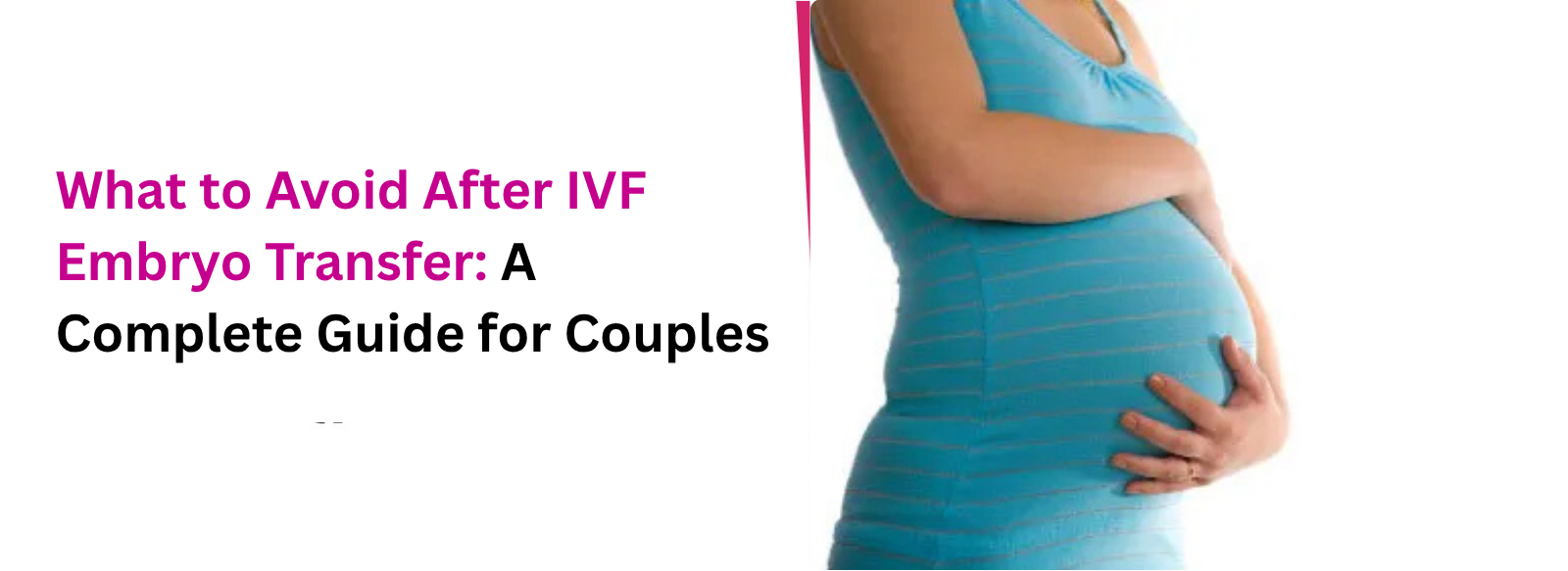
What to Avoid After IVF Embryo Transfer: A Complete Guide for Couples
IVF embryo transfer is an important stage in the fertility journey, and many couples immediately ask, “What to Avoid After IVF Embryo Transfer?” From “Kya bed rest zaroori hai?” to “Kya main normal ghar ka kaam kar sakdi haan?”, these questions are common among patients across Punjab and India.
Modern IVF care does not usually require complete bed rest or extreme restrictions. However, certain activities, foods, medicines, and lifestyle habits should be avoided to support a healthy recovery and implantation environment.
Understanding the Period After Embryo Transfer
During embryo transfer, the IVF specialist places the embryo inside the uterus through a thin catheter. The procedure itself is usually painless and does not involve surgery. After transfer, the embryo needs time to continue its development and, if successful, attach to the uterine lining.
Many patients worry that walking, sitting, using the washroom, coughing, or climbing a few stairs may cause the embryo to “fall out". This is a common misconception.
The embryo does not simply slip out when you stand or walk. The uterus is a closed muscular organ, and normal movements do not dislodge the embryo. However, you should still avoid activities that place excessive physical stress on the body or increase the risk of complications.
At Vardaan Infertility & Test Tube Baby Center, our fertility specialists guide patients through personalised post-transfer care rather than recommending the same restrictions to every couple.
1. Avoid Complete Bed Rest for Several Days
Many families still believe that a woman should remain in bed for the entire two-week wait. You may hear advice such as, “Bilkul uthna nahi hai, embryo hil jayega,” or “Do hafte sirf bed rest karo.”
Current evidence does not support prolonged bed rest after embryo transfer.
Your IVF clinic may ask you to rest briefly after the procedure, but extended bed rest does not improve implantation or pregnancy rates. Long periods of inactivity may also cause muscle stiffness, constipation, poor circulation, and an increased risk of blood clots in some patients.
What can you do instead?
You can usually:
Walk slowly around the house
Sit comfortably
Use the washroom normally
Perform light daily activities
Continue desk-based work if you feel comfortable
Avoid turning the two-week wait into complete confinement. Gentle movement is generally more practical than remaining in bed all day.
2. Avoid Heavy Lifting and High-Impact Exercise
You do not need to remain completely inactive, but this is not the right time to continue intense workouts. Avoid:
Running or sprinting
Jumping exercises
HIIT workouts
Heavy gym training
Intense aerobics
Heavy weightlifting
Lifting large water buckets
Moving furniture
Carrying heavy grocery bags
Physically demanding household work
After ovarian stimulation, the ovaries may remain enlarged for some time. Intense movement or heavy exercise may increase discomfort and, in some cases, the risk of ovarian torsion.
Light walking is generally considered appropriate unless your IVF specialist advises otherwise. If you feel pain, marked bloating, dizziness, or unusual discomfort, stop the activity and contact your clinic.
3. Avoid Sexual Intercourse Until Your IVF Specialist Gives Clearance
Most IVF specialists recommend pelvic rest after embryo transfer. This generally means avoiding:
Vaginal intercourse
Sexual activity that causes orgasm
Vaginal douching
Tampons
Unnecessary vaginal products
Sexual activity may cause uterine contractions, while semen contains substances that may influence uterine activity. The exact recommendation may vary depending on your treatment plan, embryo transfer type, bleeding history, and medical condition.
Many IVF centres advise waiting until the beta-hCG blood test and following the fertility specialist’s instructions before resuming intercourse.
If you are thinking, “Kya embryo transfer ke baad relation bana sakte hain?”, do not rely on general advice from relatives or social media. Follow the specific instructions provided by your IVF doctor.
4. Avoid Hot Baths, Saunas, and Excessive Heat
Avoid activities that may significantly raise your core body temperature, including:
Hot tubs
Saunas
Steam rooms
Very hot baths
Prolonged exposure to extreme heat
Heating pads placed directly over the abdomen
Use lukewarm or comfortably warm water for bathing. A normal shower is generally safe. You do not need to avoid bathing after embryo transfer. However, very hot water and prolonged heat exposure are unnecessary during this sensitive phase.
5. Avoid Alcohol and Smoking Completely
Alcohol should be avoided after embryo transfer because pregnancy may already be developing before the pregnancy test confirms it. Avoid:
Alcoholic drinks
Smoking
Tobacco products
Recreational drugs
Exposure to second-hand smoke whenever possible
Smoking may affect reproductive health, blood flow, and pregnancy outcomes. If your partner smokes, reducing smoke exposure around you is also important.
6. Avoid Excess Caffeine
You do not always need to stop tea or coffee completely, but avoid excessive caffeine. A commonly used pregnancy-related limit is less than 200 mg of caffeine per day. Caffeine is present in:
Coffee
Strong tea
Energy drinks
Some soft drinks
Chocolate
Certain supplements and medicines
In the Indian context, a small cup of chai may be acceptable within the recommended daily limit. However, several strong cups of tea or coffee throughout the day may increase total caffeine intake
If you are unsure, ask your IVF specialist how much caffeine is suitable for your specific treatment plan.
7. Avoid Unsafe, Raw, or Unhygienic Food
After embryo transfer, focus on clean, freshly prepared, balanced meals. You do not need an expensive “IVF diet", but you should reduce the risk of food-borne infection and digestive problems.
Avoid or limit:
Raw or undercooked eggs
Unpasteurised milk and dairy products
Raw seafood
Unwashed fruits and vegetables
Food that has been stored improperly
Unhygienic street food
Excessively oily food
Foods that repeatedly cause diarrhoea, acidity, or severe bloating
Choose freshly cooked home food whenever possible. A balanced Indian diet may include:
Dal and legumes
Cooked vegetables
Whole grains
Fruits washed properly
Curd or pasteurised dairy products
Eggs or lean protein, if suitable for you
Nuts and seeds in moderate quantities
You do not need to avoid every traditional food without a medical reason.
What about papaya and pineapple?
Many Indian families advise women to avoid papaya or pineapple after embryo transfer. The concern mainly relates to unripe papaya and highly concentrated extracts. Normal food portions do not automatically cause IVF failure.
However, because individual medical advice may differ, follow your fertility specialist’s dietary guidance rather than relying on viral food lists.
8. Avoid Constipation and Excessive Straining
Constipation is common after embryo transfer because progesterone medication can slow bowel movement. Reduced activity, stress, and low water intake may also contribute.
Straining during bowel movements does not physically push the embryo out. However, constipation can cause abdominal discomfort and unnecessary anxiety. To support regular bowel movement:
Drink adequate water
Eat fibre-rich foods
Include fruits and cooked vegetables
Walk gently
Do not delay using the washroom
Do not take laxatives or herbal remedies without checking with your IVF specialist.
9. Avoid Taking Medicines Without Medical Approval
Do not self-medicate after embryo transfer.
Avoid taking painkillers, antibiotics, herbal products, supplements, or over-the-counter medicines without consulting your IVF doctor. Some medicines may not be suitable during the implantation period or early pregnancy.
In particular, do not take medicines such as ibuprofen, naproxen, or other anti-inflammatory drugs unless your fertility specialist prescribes them.
If you develop mild pain, fever, cold symptoms, or another health concern, contact your IVF clinic before taking medication. Your doctor may recommend an appropriate option based on your medical condition.
10. Never Stop Progesterone or IVF Medicines on Your Own
This is one of the most important points after embryo transfer. Your IVF specialist may prescribe:
Progesterone vaginal pessaries or capsules
Progesterone injections
Oral progesterone
Estrogen medicines
Other medicines based on your treatment plan
Take them exactly as prescribed. Do not stop medication because:
You do not feel pregnancy symptoms
You notice mild spotting
A home pregnancy test appears negative
You feel that your period may start
Someone online says the medicine is unnecessary
Progesterone supports the uterine lining during the luteal phase. Stopping it without medical advice may affect the treatment plan.
Patients on online fertility forums often share concerns such as, “Mujhe koi symptoms nahi aa rahe, kya IVF fail ho gaya?” However, symptoms alone cannot confirm whether implantation has occurred. Some successful pregnancies have very few early symptoms. Continue your medicines until your IVF specialist instructs you to change or stop them.
11. Avoid Home Pregnancy Testing Too Early
The two-week wait can feel emotionally long. Many patients feel tempted to test repeatedly at home. Testing too early may cause confusion because:
The embryo may not have produced enough hCG yet
The test may show a false negative
A trigger injection may sometimes affect early results
Different home kits have different sensitivity levels
Follow the date provided by your IVF clinic for the beta-hCG blood test. The blood test gives more reliable information than testing repeatedly at home.
Avoid comparing your symptoms or test results with other patients. Every IVF cycle is different.
12. Avoid Stressful Online Comparisons and Unverified Advice
Emotional stress does not mean that implantation will fail. However, constant worry can affect sleep, appetite, daily functioning, and overall well-being. Avoid:
Reading frightening IVF stories for hours
Comparing symptoms with others
Following unverified social media advice
Trying herbal remedies without approval
Changing your medicines based on online comments
You may hear statements such as, “Mere cousin ne bed rest kiya tha, isliye pregnancy ho gayi,” or “Kisi ne yeh special food khaya aur IVF successful ho gaya.” Individual experiences do not establish medical cause and effect. Use your clinic as the primary source of treatment guidance.
13. Avoid Ignoring Severe Symptoms
Mild bloating, light cramping, breast tenderness, fatigue, or mild spotting may occur after embryo transfer. However, certain symptoms require prompt medical attention. Contact your IVF clinic if you experience:
Severe or worsening abdominal pain
Significant abdominal swelling
Rapid weight gain
Difficulty breathing
Persistent vomiting
High fever
Heavy vaginal bleeding
Severe dizziness or fainting
Reduced urine output
These symptoms may indicate complications such as ovarian hyperstimulation syndrome (OHSS), infection, or another medical issue. Do not self-treat severe symptoms or wait for them to disappear.
What Can You Safely Do After IVF Embryo Transfer?
Most patients can continue a gentle and comfortable routine. You can generally:
Take short, slow walks
Work at a desk
Perform light household activities
Take lukewarm showers
Eat balanced, home-cooked meals
Drink adequate water
Sleep well
Practice gentle relaxation
Spend time with supportive family members
Your doctor may modify these recommendations if you have OHSS, enlarged ovaries, bleeding, recurrent pregnancy loss, or another medical concern.
What to Avoid After IVF Embryo Transfer: Quick Checklist
Area | Avoid | Prefer |
Activity | Heavy lifting, running, jumping, intense workouts | Light walking and normal gentle activity |
Rest | Complete bed rest for many days | Short rest and gradual routine activity |
Intimacy | Intercourse and activities causing uterine contractions | Pelvic rest until medical clearance |
Heat | Saunas, hot tubs, very hot baths | Lukewarm showers |
Diet | Alcohol, raw food, unhygienic food | Freshly cooked balanced meals |
Caffeine | Excess tea, coffee, and energy drinks | Moderate intake within medical guidance |
Medicines | Self-medication and unapproved supplements | Prescribed medicines only |
IVF medicines | Stopping progesterone independently | Continue as instructed |
Pregnancy testing | Testing too early or repeatedly | Scheduled beta-hCG blood test |
Symptoms | Ignoring severe pain or breathing difficulty | Contact the IVF clinic promptly |
When Should You Contact the Best IVF Specialist in Punjab?
Contact your fertility team if you have severe symptoms, medication concerns, heavy bleeding, or uncertainty about activity restrictions. You should also seek specialist guidance if you:
Have a history of recurrent IVF failure
Experience severe bloating after stimulation
Have significant pelvic pain
Are unsure whether a medicine is safe
Have bleeding or fever
Need personalised advice about work, travel, exercise, or diet
At Vardaan Fertility Center, our IVF specialists provide individualised guidance based on each patient’s IVF protocol, medical history, ovarian response, and treatment needs. With advanced IVF centres in Jalandhar and Amritsar, the team supports couples throughout Punjab with evidence-based fertility care and compassionate counselling.
For couples searching for the best IVF specialist in Punjab, the right approach involves more than the embryo transfer procedure. It includes careful treatment planning, clear post-transfer guidance, medication support, and timely medical attention when needed.
Final Thoughts
Knowing what to avoid after IVF embryo transfer can help you follow a safe, balanced routine without unnecessary fear. You usually do not need complete bed rest, extreme dietary restrictions, or constant monitoring of every symptom.
Avoid strenuous exercise, heavy lifting, sexual intercourse until clearance, alcohol, excessive heat, unsafe food, self-medication, and stopping progesterone without medical advice. Continue your prescribed treatment, maintain gentle daily activity, and follow the testing schedule provided by your IVF clinic.
Most importantly, follow personalised guidance from your fertility specialist. Every IVF cycle is different, and your doctor understands the details of your treatment better than general online advice.
[Make an Appointment]
Frequently Asked Questions
Is bed rest necessary after IVF embryo transfer?
Complete bed rest is generally not required. Most patients can resume light daily activities after a short period of rest. Avoid strenuous exercise and heavy lifting unless your IVF specialist gives different instructions.
Can I walk after embryo transfer?
Yes, gentle walking is generally safe and may support circulation. Avoid running, jumping, or intense exercise.
Can the embryo fall out after embryo transfer?
No. Normal walking, sitting, standing, coughing, or using the washroom does not cause the embryo to fall out.
Can I climb stairs after embryo transfer?
Climbing a few stairs slowly is usually acceptable for many patients. Avoid repeated strenuous climbing if it causes discomfort, especially when the ovaries remain enlarged.
Can I do household work after embryo transfer?
Light household work may be acceptable. Avoid lifting heavy buckets, moving furniture, vigorous cleaning, or physically demanding work.
Can I drink tea after embryo transfer?
A small amount of tea may be acceptable, but avoid excessive caffeine. Discuss your daily intake with your IVF specialist.
Should I avoid papaya after embryo transfer?
Unripe papaya and concentrated extracts are commonly restricted. Normal dietary advice may vary, so follow the instructions provided by your fertility specialist rather than relying only on traditional food myths.
Can I take a pregnancy test after embryo transfer?
Follow the date given by your IVF clinic. Testing too early may produce a false-negative or confusing result. The beta-hCG blood test remains the preferred method for confirming pregnancy after IVF.
What symptoms are normal after embryo transfer?
Mild cramping, fatigue, bloating, breast tenderness, or light spotting may occur. Symptoms do not confirm success or failure. Contact your IVF clinic if symptoms become severe or concerning.