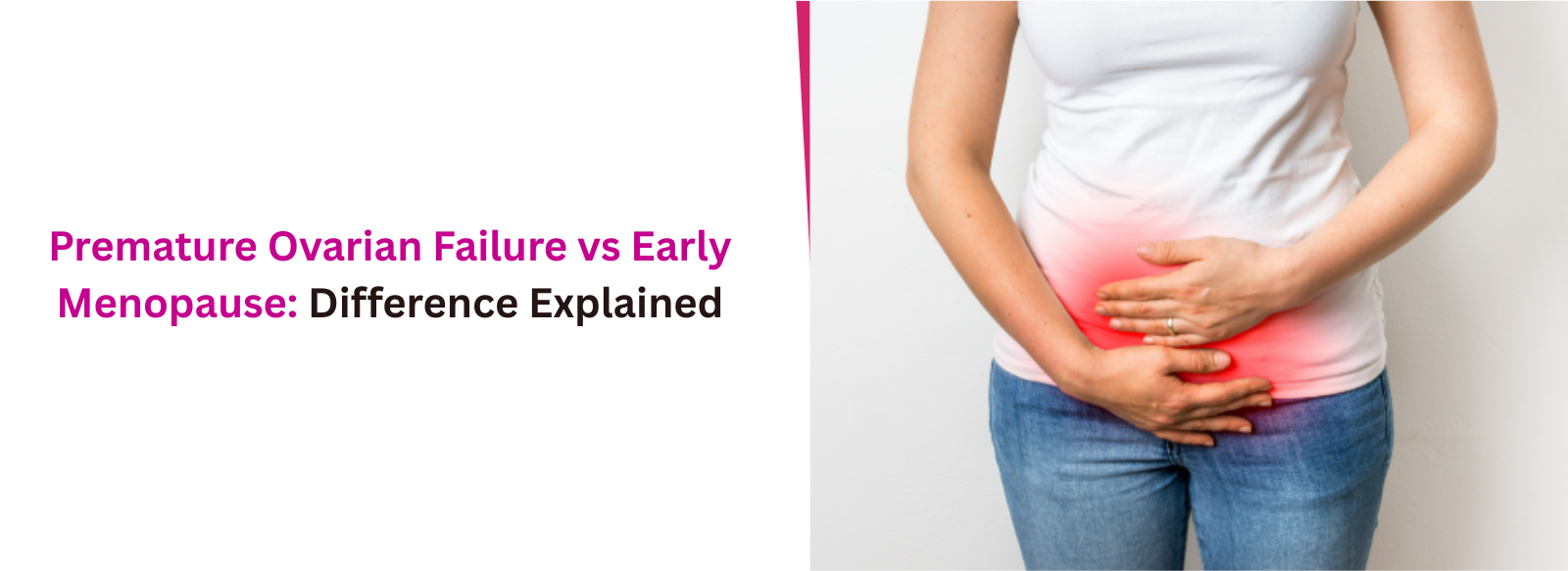
Many women notice changes in their periods before the age of forty. Some feel confused. Some worry about fertility. Some search for answers online and come across two similar terms. Premature ovarian failure and early menopause.
Both sound alike. Both feel worrying. Yet both are not the same. Understanding the difference is very important. It helps you get the right diagnosis. It guides you toward the right IVF treatment. And it brings clarity during a sensitive phase of life.
This article explains both conditions in a simple and caring way. The aim is to help you understand what is happening inside your body. And to support you with knowledge that feels safe and comforting.
What Is Premature Ovarian Failure (POF)?
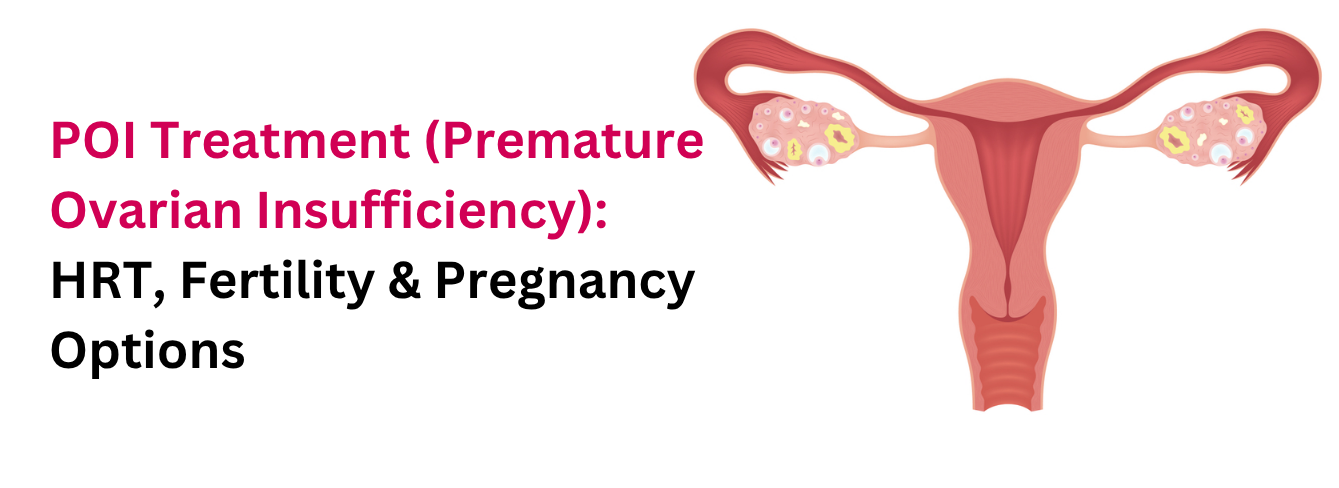
Premature ovarian failure, now commonly called primary ovarian insufficiency, is a condition where the ovaries slow down much earlier than expected. This happens before the age of forty. The ovaries still work at times.
They still release hormones on some days. They may even produce an egg occasionally. But the function becomes weak and unpredictable. Women with POF may still get periods. Sometimes the cycle is very irregular. Sometimes periods stop for a few months and then come back.
Cause of Premature ovarian failure
The cause of POF is not always clear. In many women it happens without a known reason. Some possible triggers include genetic factors. Some autoimmune conditions. Previous chemotherapy or radiation. And in rare cases certain infections.
Early Signs of Premature ovarian failure
Women often notice early signs. Hot flashes. Mood changes. Difficulty sleeping. Vaginal dryness. Or long gaps between periods. The emotional impact can be heavy. Many women worry about fertility. Many feel confused because the body does not behave in a predictable way. At this stage supportive and clear guidance from a doctor is very important.
What Is Early Menopause?
Early menopause means the ovaries have stopped functioning before the age of 45. The hormonal activity becomes permanently low. This brings an end to menstrual cycles. The body enters menopause earlier than the typical age, which is around 50.
Unlike POF the ovaries in early menopause do not work intermittently. The change is more complete. Estrogen levels stay low. Periods do not come back. The body shifts into a new hormonal phase.
Signs of Early Menopause
Women may notice symptoms that look similar to natural menopause. Hot flashes. Night sweats. Low mood. Fatigue. Dryness. Sleep disturbance. And changes in skin and hair texture. Early menopause also influences long-term health. Low estrogen for many years can affect bone strength. It can influence heart health as well. This is why correct diagnosis matters.
Some women experience early menopause due to surgery where the ovaries are removed. Others experience it after long-term medical treatment. Hormonal conditions. Or genetic tendencies. In many cases the reason stays unknown.
How POF And Early Menopause Are Different?
Even though both conditions bring early hormonal changes, they behave very differently inside the body. These differences guide treatment and fertility planning.
Age of onset: POF usually appears before the age of 40. Early menopause appears before 45.
Ovarian function pattern: In POF the ovaries slow down yet continue to work on some days. In early menopause the ovaries stop working in a more permanent way.
Periods: Women with POF may still get occasional periods. Women with early menopause generally do not get periods after the shift occurs.
Chance of natural conception: POF still allows a small chance of natural pregnancy because the ovary sometimes releases an egg. Early menopause makes natural conception rare because ovulation stops.
Hormone levels: POF shows fluctuating hormones. Early menopause shows consistently low estrogen and high FSH.
Health risks: Both conditions affect bones, mood, and heart health. Early menopause has a slightly higher long-term impact because estrogen stays low for a longer time.
Common Causes of POF and Early Menopause
Both conditions can develop due to similar triggers. Yet their internal pattern differs. Some common causes include:
Genetic factors.
Autoimmune conditions.
Chemotherapy and radiation.
Pelvic surgery.
Viral infections in rare cases.
Lifestyle choices like smoking.
Long-term stress and nutritional gaps may also contribute indirectly.
In many women no direct cause is found. This is known as idiopathic origin. It is very common. And it does not mean you did something wrong. It simply means the body shifted earlier than expected.
POF vs Early Menopause: Symptoms Comparison
Even though symptoms may overlap, each woman experiences them in her own way. The intensity depends on hormone levels and general health.
Common symptoms include:
Irregular periods or missed periods.
Hot flashes and warmth across the chest and face.
Night sweats.
Low energy.
Mood swings or irritability.
Trouble sleeping.
Vaginal dryness.
Low interest in intimacy.
Difficulty concentrating.
Changes in skin texture.
Hair thinning.
Dry eyes.
In POF these symptoms may come and go because hormone levels fluctuate.
In early menopause, symptoms tend to stay because estrogen remains low.
How Doctors Diagnose POF or Early Menopause
Diagnosis takes time because the body must be observed over a few cycles. Doctors usually follow a simple and clear process.
Blood tests
FSH levels: High FSH suggests the ovaries are not responding well.
Estrogen levels: Low estrogen shows reduced ovarian function.
AMH levels: Low AMH suggests a low ovarian reserve.
Thyroid and autoimmune tests: These help rule out conditions that may look similar.
Ultrasound
An ultrasound gives a clear view of ovarian volume and follicle count. It also helps understand whether the ovaries still show activity.
Symptom history
Your doctor listens to your cycle pattern. Your symptoms. Your emotional experience. And any past medical treatment. This helps complete the picture.
A diagnosis is not just a test result. It is a combination of tests, symptoms, and age. A good doctor explains each step in simple words. This brings calm and confidence during a sensitive time.
Treatment Options for Premature Ovarian Failure
Treatment focuses on hormone balance, fertility support, and long-term health care.
Hormone therapy
Low estrogen can affect bones and heart health. Hormone therapy helps restore balance. It also reduces hot flashes, dryness, and mood changes. Your doctor chooses the dose based on age and symptoms.
Fertility care
Many women with POF can conceive with assistance because occasional ovulation still happens. Options include:
Timed intercourse when ovulation shows
IUI in selected cases
IVF
IVF with donor eggs when egg supply becomes very low
Proper guidance is important because the ovary works unpredictably.
Egg freezing
Some women choose to freeze eggs if the ovaries still show small signs of activity. This gives a sense of security for future planning.
Lifestyle support
Gentle exercise.
Balanced nutrition.
Good sleep routine.
Stress support.
Calcium and vitamin D when needed.
These small steps protect bone strength and overall wellness.
Treatment Options for Early Menopause
The approach for early menopause is slightly different because ovarian function does not return.
Hormone therapy
Hormone therapy remains the main treatment. It supports bone health and brings relief in symptoms. Your doctor decides the safest and most effective plan based on age and health history.
Symptom support
Hot flashes can be managed with cooling sleepwear.
Night time sweating can be reduced with simple sleep habits.
Vaginal dryness improves with moisturizers and topical estrogen.
Mood changes benefit from routine gentle activity and counselling.
Bone and heart care
Low estrogen for many years can weaken bones. Doctors often suggest calcium, vitamin D, and weight-bearing exercise. Heart health is supported through diet and regular checks.
Emotional support
Early menopause often brings a mix of emotions. Many women feel a sense of sudden change. A supportive doctor and a kind listening space help in accepting this new phase.
Fertility Possibility in Each Condition
Fertility is one of the biggest differences. In POF natural conception is still possible. The ovary may release an egg at unexpected times. This chance is small but real. Assisted fertility gives more control. Women can get pregnant by IVF, especially with donor eggs, provides high success when needed.
In early menopause the chance of natural conception is very low because ovulation stops. Fertility treatment with donor eggs offers the most reliable success.
If you wish to plan a pregnancy, it is important to talk to a fertility specialist early. Age and ovarian function both matter. A gentle and informed plan helps you feel safe and supported.
When You Should See a Doctor?
You should consider meeting a doctor if you notice:
Missed periods for more than three months
Irregular cycles before the age of forty
Hot flashes or mood changes at a young age
Difficulty getting pregnant
Early symptoms after chemotherapy or radiation
Sudden changes after pelvic surgery
Early care brings better control. It protects long-term health. And it removes fear by giving you clarity.
Quick Difference At A Glance
POF means the ovaries work sometimes but not enough.
Early menopause means the ovaries stop working fully.POF allows a small chance of natural pregnancy.
Early menopause makes natural pregnancy rare.POF causes fluctuating hormones.
Early menopause causes stable low hormones.Both conditions need early support and long-term care.
Final Thoughts
Hormonal changes at a young age can feel unsettling. Many women feel alone in this journey. Please remember that both conditions are treatable in many ways. You can protect your health. You can plan your fertility with guidance. And you can find relief from symptoms with the right care.
If you need a warm and supportive consultation, a trained women’s health specialist can guide you with clarity and kindness.
Vardaan IVF Hospital brings 25 years of trusted fertility care. More than 30,000 couples have conceived with their support. Located in IVF specialist in Jalandhar, and Amritsar in Punjab, we are offering safe online consultations for women worldwide as well. Book your appointment now.