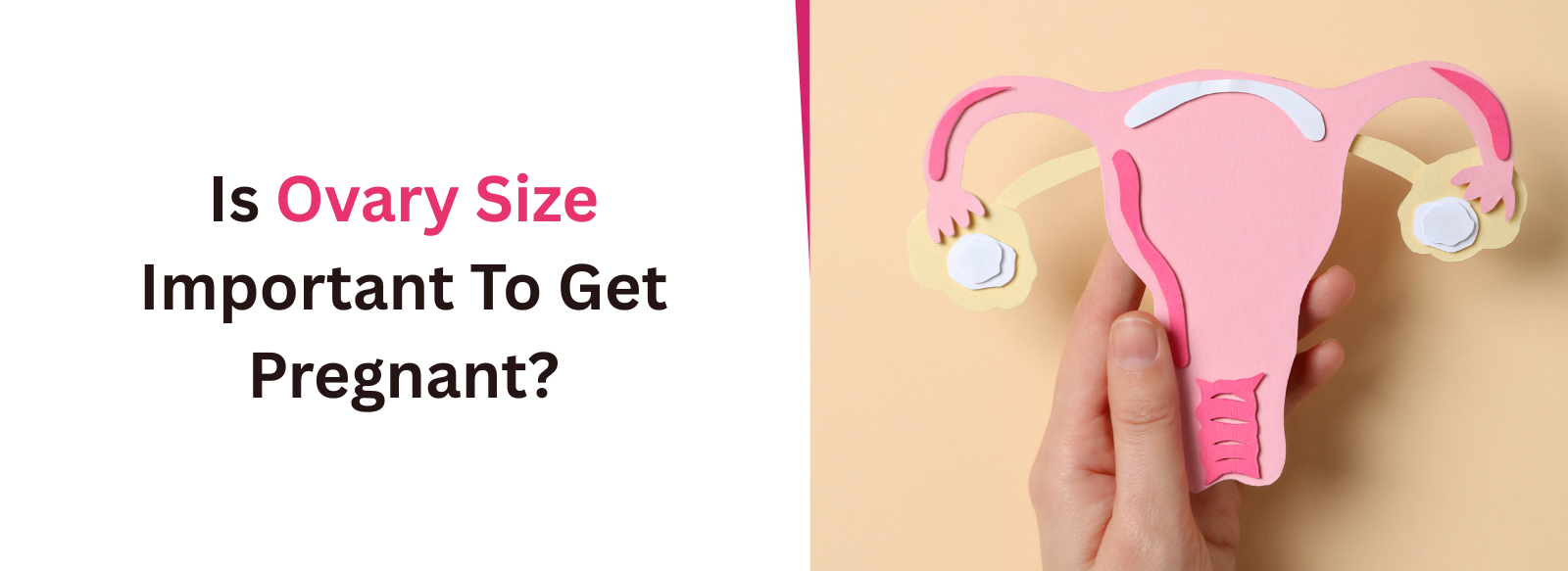

Many women trying to conceive wonder if their ovary size is normal for pregnancy. The truth is, ovary size alone does not decide fertility but it can give important clues about egg reserve, ovulation, and overall reproductive health.
While ovary size is an important factor, fertility also depends on other elements such as egg size for pregnancy, follicle size for pregnancy, egg quality, and hormonal balance. When ovaries function properly and produce healthy eggs, the chances of natural conception increase significantly.
At Vardaan Medical Centre, IVF clinic in Jalandhar or Amritsar fertility specialists help couples understand the relationship between ovarian health, egg development, and successful pregnancy.
Ovary Size and Its Role in Fertility
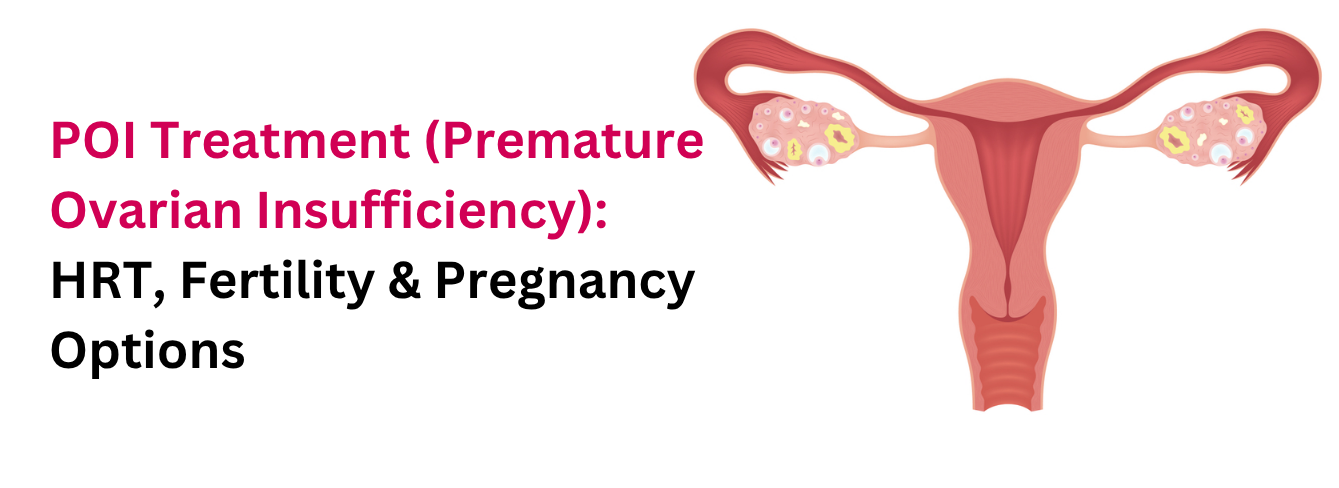
The ovaries perform several important functions in the female reproductive system. They produce reproductive hormones such as:
Estrogen
Progesterone
These hormones regulate the menstrual cycle and prepare the uterus for pregnancy. The ovaries also store thousands of immature eggs that gradually mature during each menstrual cycle.
The normal size of ovary can sometimes reflect ovarian reserve, which refers to the number of eggs available in the ovaries. Women with smaller ovaries may have a lower egg reserve, while healthy ovaries usually contain multiple follicles capable of developing into mature eggs.
However, ovary size alone cannot determine fertility. Doctors also evaluate egg size for pregnancy and follicle size for pregnancy to understand a woman’s reproductive health.
Egg Size for Pregnancy and Why It Matters
The egg size for pregnancy is one of the most critical factors in successful conception. Eggs develop inside follicles in the ovaries. During each menstrual cycle, several follicles begin to grow, but usually only one dominant follicle matures and releases an egg during ovulation.
A mature follicle indicates that the egg inside it is ready for fertilization. If the egg does not mature properly, fertilization may not occur even if ovulation happens.
Doctors monitor egg growth using ultrasound scans to determine the right time for conception.
Minimum Egg Size to Conceive
Many women wonder about the minimum egg size to conceive. In most cases, ovulation occurs when the follicle reaches around 16–18 mm.
However, fertility specialists generally consider 18–24 mm as the ideal size for ovulation and pregnancy. When the follicle reaches this size, the egg inside is fully mature and ready for fertilization.
If follicles remain too small or fail to develop properly, fertility treatments or hormonal therapy may be recommended to support ovulation.
Follicle Size for Pregnancy
The follicle size for pregnancy increases gradually throughout the menstrual cycle. Monitoring follicle growth helps fertility specialists determine the best time for ovulation.
Tracking follicle development is especially useful for women who are:
Trying to conceive naturally
Undergoing fertility treatments
Experiencing irregular ovulation
Regular ultrasound monitoring helps identify whether follicles are growing normally and whether ovulation is likely to occur.
Follicle Size Chart for Pregnancy
Doctors often use a follicle size chart for pregnancy to track egg development during the menstrual cycle.
Cycle Day | Average Follicle Size |
|---|---|
Day 8 | 8–10 mm |
Day 10 | 10–14 mm |
Day 12 | 16–18 mm |
Day 14 | 18–24 mm (Ideal egg size for pregnancy) |
When follicles reach 18–24 mm, ovulation typically occurs within the next 24–36 hours. This period is considered the most fertile window for conception.
Normal Ovary Size by Age
Ovary size changes naturally as women age. During reproductive years, ovarian volume is generally higher because more follicles are present.
Age (Years) | Average Ovary Volume (cc) |
|---|---|
Below 30 | 14–15 |
31–40 | 13 |
41–50 | 11 |
51–60 | 5–6 |
Above 60 | 4–5 |
As women approach menopause, ovarian volume gradually decreases due to the reduction in egg reserve. Fertility specialists use this information to evaluate reproductive potential and fertility treatment options.
PCOS and Ovary Size
Polycystic Ovary Syndrome (PCOS) is a common hormonal disorder that can affect ovulation and fertility. Women with PCOS symptoms often have enlarged ovaries containing multiple small follicles that do not mature properly.
PCOS is usually diagnosed when:
One or both ovaries contain 12 or more follicles measuring 2–9 mm
Ovarian volume exceeds 10 cm³
Although PCOS can affect ovulation, proper medical treatment and lifestyle management can significantly improve fertility outcomes.
Tips to Improve Egg Health and Fertility
Improving egg quality and ovarian health can increase the chances of pregnancy.
Maintain a Healthy Weight
Both obesity and being underweight can disrupt hormonal balance and affect ovulation.
Eat a Balanced Diet
A fertility-friendly diet rich in antioxidants, proteins, vitamins, and healthy fats supports egg development.
Exercise Regularly
Moderate physical activity helps regulate hormones and improve reproductive health.
Manage Stress
Chronic stress can interfere with ovulation. Relaxation techniques such as yoga and meditation may support fertility.
When to Consult a Fertility Specialist?
Women who experience difficulty conceiving, irregular periods, or ovulation problems should consult a fertility specialist for IVF treatment. Early evaluation can help identify issues related to ovary size for pregnancy, egg development, and follicle growth.
Fertility experts may recommend tests such as:
Ultrasound scans
Hormone level tests
Ovarian reserve assessment
These tests help determine the best treatment options for improving fertility.
Conclusion
Understanding the ovary size for pregnancy and proper follicle development is important for improving the chances of conception. Factors like egg size for pregnancy, follicle size for pregnancy, and hormonal balance also play a key role in successful ovulation and fertilization.
Fertility concerns often require expert medical guidance. Vardaan Medical Centre is a trusted IVF clinic in Amritsar or Jalandhar offering advanced gynecology and fertility treatments to couples facing reproductive challenges. Women experiencing issues related to ovary health, egg quality, or difficulty conceiving can consult our specialists for the right diagnosis and personalized care.
To learn more about ovary health, fertility, and treatment options, you can consult the experts at the best IVF center in Jalandhar at Vardaan Medical Centre for reliable guidance and support on your journey to parenthood.
FAQ
What is the ideal ovary size for pregnancy?
The ideal ovary size for pregnancy is usually between 18 mm and 24 mm, which indicates that the follicle is mature and ready for ovulation.
Can I get pregnant with a 16 mm follicle?
Pregnancy may be possible with a 16 mm follicle, but fertility specialists generally consider 18–24 mm as the optimal follicle size for conception.
Does ovary size affect fertility?
Yes, the ovary size for pregnancy may reflect ovarian reserve, which indicates the number of eggs available in the ovaries.