Timing is one of the most important factors for IUI success. Many couples want to understand the best day for IUI and how follicle size helps doctors plan the right moment. Follicle size for pregnancy gives a clear idea of when ovulation is likely to occur. This helps your fertility team choose the ideal day for insemination.
This guide explains mature follicle size, monitoring, trigger shots, growth patterns, and how all these details influence IUI timing. The goal is to help you understand your cycle better and feel confident during treatment.
Understanding Follicles in the IUI Process
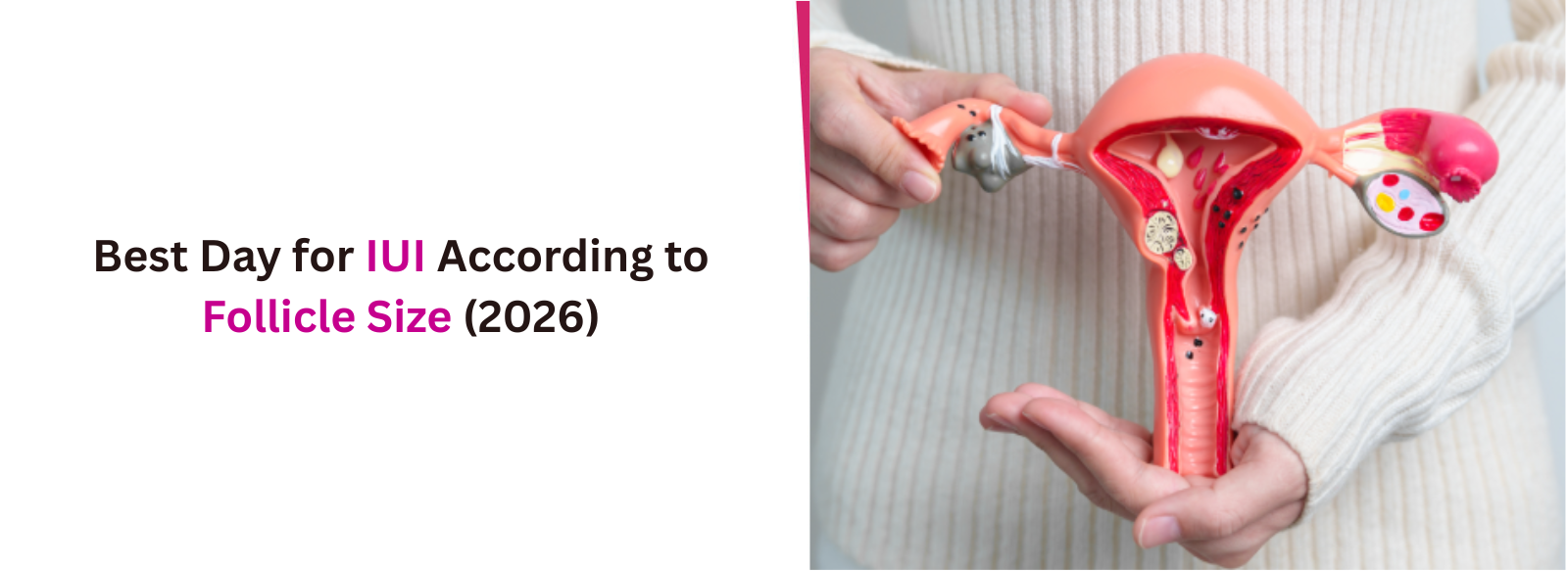
A follicle is a fluid-filled sac inside the ovary. Each follicle carries an immature egg. During the menstrual cycle, one follicle normally grows faster than the rest. This follicle becomes the dominant follicle. It reaches maturity just before ovulation.
Why follicle growth matters?
As the follicle grows, the egg inside matures. Once the egg reaches full maturity, the follicle releases it. This release is called ovulation. Sperm must meet the egg within a short window. This is why correct timing is essential.
For IUI, doctors monitor follicle growth using ultrasound. A scan helps measure the size and track how quickly it is growing. Growth rates differ from person to person. Some follicles grow steadily. Others grow faster or slower depending on hormones, medication, and the body’s natural rhythm.
How ultrasound monitoring supports IUI?
Ultrasound scans begin early in the cycle. Most patients undergo monitoring around day 10 to day 12 in a natural or stimulated cycle. Scans continue every one to two days until the follicle reaches a size that suggests maturity. At this point, your doctor decides whether to wait for a natural LH surge or give an HCG trigger shot to release the egg.
Monitoring is essential because the egg must be released and the sperm must reach it within a small time frame. IUI is usually scheduled close to the time of ovulation to improve the chances of success.
Ideal Follicle Size for IUI
Mature follicles follow predictable size patterns. Research and clinical practice show that most follicles release an egg when they reach a certain size range.
Typical mature follicle size
The commonly accepted size for a mature follicle is between 18 mm and 22 mm. However, this range can vary depending on whether the cycle is natural or medicated.
Here is a general guide:
Natural Cycle: Follicles typically ovulate around 18 mm to 20 mm
Letrozole or Clomid Cycle: Follicles often reach maturity around 18 mm to 22 mm
Gonadotropin-Stimulated Cycle: Follicles may mature between 17 mm and 20 mm
The trigger shot is usually given once the follicle reaches the recommended size for that specific treatment plan. The goal is to release a mature egg that can be fertilized easily.
Evidence from clinical studies
Several fertility studies show that follicles between 18 mm and 22 mm are most likely to contain a mature egg. When follicles become too large, the egg may not be healthy. When follicles are too small, the egg may not be ready for fertilization.
This is why follicle size plays a key role in choosing the best day for IUI.
When Is the Best Day for IUI According to Follicle Size?
The best day for IUI depends on two main things:
When the egg is expected to release
When the sperm is placed inside the uterus
Doctors combine follicle size, hormone levels, and cycle patterns to choose the right moment.
General timing guidelines for IUI
Most IUI procedures are done in one of these situations:
After a positive LH surge in a natural cycle
24 to 36 hours after an HCG trigger injection
When monitoring shows a follicle in the ideal size range
Follicle size and decision-making
Doctors use follicle size to decide the right timing for ovulation and fertility treatments. The table below explains how different follicle sizes guide medical decisions.
Follicle Size | Medical Interpretation / Decision |
17 mm – 18 mm | Ovulation is expected soon |
18 mm – 20 mm | Follicles are considered mature |
20 mm – 22 mm | Ideal stage for trigger shot (ovulation induction) |
Above 24 mm | May indicate over-maturity in some cases |
Natural cycle timing
In a natural cycle, you monitor ovulation with urine LH kits. When you get a positive result, the follicle is often around 18 mm to 20 mm. Your doctor usually schedules IUI the next day. This places active sperm near the egg soon after it releases.
Stimulated cycle timing
In a stimulated cycle, the doctor watches follicle size closely. Once the follicle reaches maturity, the doctor gives an HCG trigger. IUI is usually performed 24 to 36 hours later. This schedule ensures the sperm reaches the egg around the time of release.
Since stimulated cycles allow more control, many clinics prefer this method. It supports precise timing and better coordination.
Follicle Size and Pregnancy Chances
Many couples ask whether follicle size influences IUI success. The answer is yes. A mature follicle is more likely to contain a healthy egg. This improves the chances of fertilization.
Does a larger follicle increase success?
Studies show that follicles between 18 mm and 22 mm give the best outcomes. Very large follicles may lead to weaker eggs. Very small follicles may not be fully mature. The ideal size supports the best balance between growth and egg quality.
Role of endometrial lining
Lining thickness also matters. Most clinics prefer a lining of at least 7 mm to 8 mm. When both the lining and follicle size are ideal, the chances of pregnancy improve.
Expected success rates
IUI success rates vary based on age, medication, semen quality, timing, and follicle response. Many clinics report average success rates between 10 percent and 20 percent per cycle. When follicle size and timing are ideal, the chances may be slightly higher.
Common Variations in Follicle Growth
Not all follicles grow at the same speed. Some grow slowly, others rapidly. Some people grow more than one follicle, while others grow only one.
Slow-growing follicles
Slow follicles may take longer to reach maturity. Doctors may increase medication or extend monitoring. Slow growth does not always reduce success. It simply requires careful timing.
Fast-growing follicles
Some follicles grow very quickly. These cycles need more frequent scans. Fast growth may lead your doctor to give an early trigger shot to prevent missing ovulation.
Multiple follicles
Stimulated cycles sometimes produce more than one follicle. This increases pregnancy chances. However, it also raises the risk of twins or higher order multiples. Doctors watch these cycles carefully to balance safety and success.
Role of Trigger Shots in Timing IUI
The HCG trigger injection is an important part of IUI timing. This medication helps the follicle release the egg.
What the trigger shot does?
The trigger:
Supports egg maturation
Controls the timing of ovulation
Helps the clinic schedule IUI precisely
Most people ovulate about 36 hours after the shot. Many clinics schedule IUI between 24 and 36 hours after the trigger.
Why doctors adjust trigger timing?
Trigger timing depends on:
Follicle size
Hormone levels
Medication response
Endometrial thickness
Previous cycle patterns
This personalized approach increases the chance that sperm and egg meet at the ideal time.
Day of IUI: What Patients Should Expect?
Understanding the IUI procedure helps reduce stress and uncertainty.
Before the procedure
You may be advised to avoid intercourse for two to four days. This helps improve sperm concentration. Your doctor will confirm ovulation timing based on scans or test results.
During the procedure
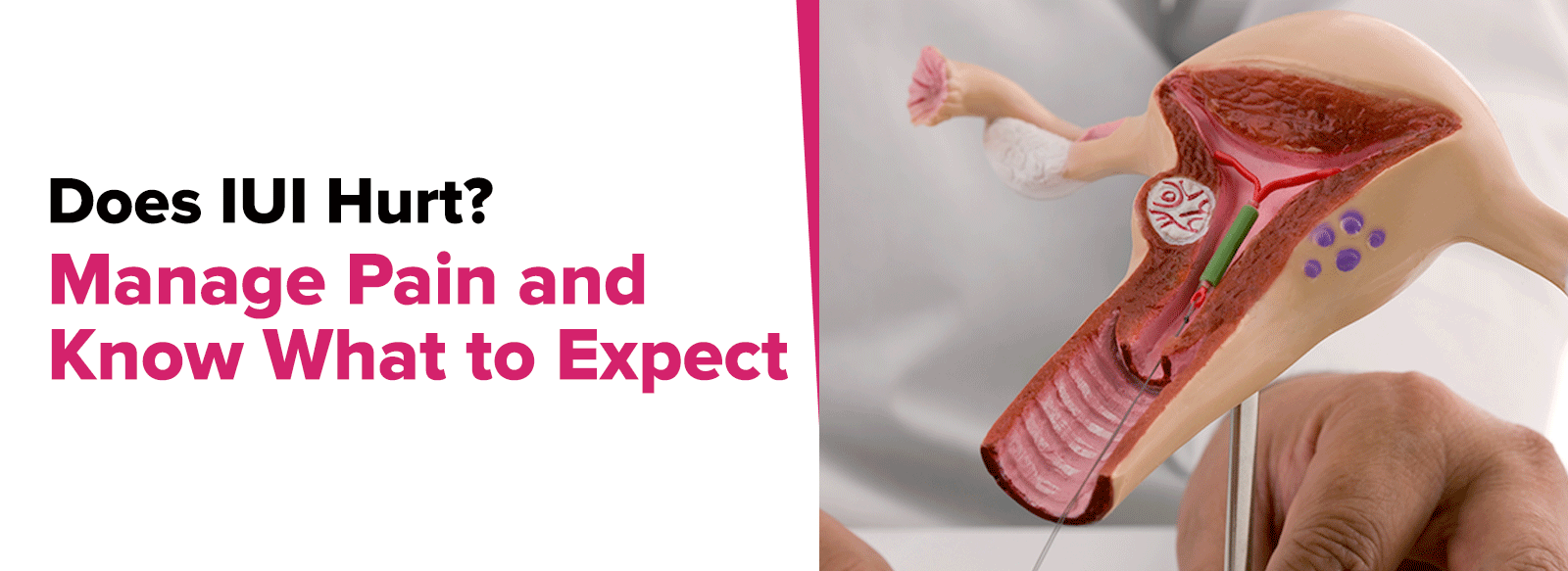
IUI is simple and takes only a few minutes. The sperm sample is prepared in the lab. The washed sperm is placed in the uterus using a thin catheter. Most people feel mild cramping or no discomfort.
After the procedure
You may rest for a short time. You can return to normal activity soon after. Avoid heavy exercise or intense stress. Light movement and hydration support comfort. Your doctor may prescribe progesterone depending on your cycle.
Frequently Asked Questions
Here are some direct and doubt-clearing questions related to your follicle size and IUI treatment.
Is an 18 mm follicle good for IUI?
Yes. An 18 mm follicle is often considered close to full maturity. Many women naturally ovulate when the follicle reaches this size. It usually indicates that the egg is ready or nearly ready to release. Doctors often monitor closely at this stage to plan the ideal IUI timing.
What is the best follicle size for IUI?
The best follicle size for IUI generally falls between 18 mm and 22 mm. Follicles in this range are most likely to contain a mature egg ready for fertilization. This size range supports both natural ovulation and medically induced ovulation, helping doctors schedule insemination at the right moment.
Is a 20 mm follicle ideal for IUI?
A 20 mm follicle is widely considered ideal for IUI because it usually contains a fully mature egg. Many clinical studies show that follicles around this size have a higher chance of releasing a healthy egg. Doctors often choose to trigger ovulation at this stage for the best timing.
What day of the cycle is IUI usually done?
IUI is usually done between cycle day 12 and day 16, but the exact day depends on follicle growth and hormone levels. Doctors monitor the follicle and choose a day when ovulation is expected soon. This ensures sperm is placed in the uterus at the most fertile time.
Can IUI work with one follicle?
Yes. IUI work very well with one healthy follicle. Many successful pregnancies after IUI occur with a single mature follicle. What matters most is the quality and timing of ovulation rather than the number of follicles. A single well-grown follicle can offer a strong chance of success.
Next Step in IUI Treatment
The best day for IUI treatment in Amritsar depends on follicle maturity, growth pattern, hormone levels, and whether a trigger is used. Follicles between 18 mm and 22 mm give the best results. Careful monitoring helps your fertility team choose the ideal day for insemination.
Vardaan IVF Hospital in Jalandhar offers careful ultrasound monitoring and precise IUI timing to support each patient’s cycle. Our fertility team uses advanced tracking and personalized planning to improve your chances and guide you with clarity at every step.