
What is IUI?
Intrauterine insemination (IUI) is a type of fertility treatment that involves placing sperm directly into a woman's uterus to increase the chances of fertilization. IUI is often recommended for couples who have been trying to conceive for a year or longer without success, especially in cases of male factor infertility treatments.
At Vardaan Medical Center, we specialize in helping couples struggling with male factor infertility achieve their dreams of parenthood through fertility treatments. Our team of fertility experts is dedicated to providing the best possible care and support to our patients throughout their IUI treatment journey.
Intrauterine insemination (IUI) is a fertility treatment that involves placing sperm directly into a woman's uterus to increase the chances of fertilization. This procedure is often recommended for couples who have been trying to conceive for a year or longer without success, especially in cases of male factor infertility.
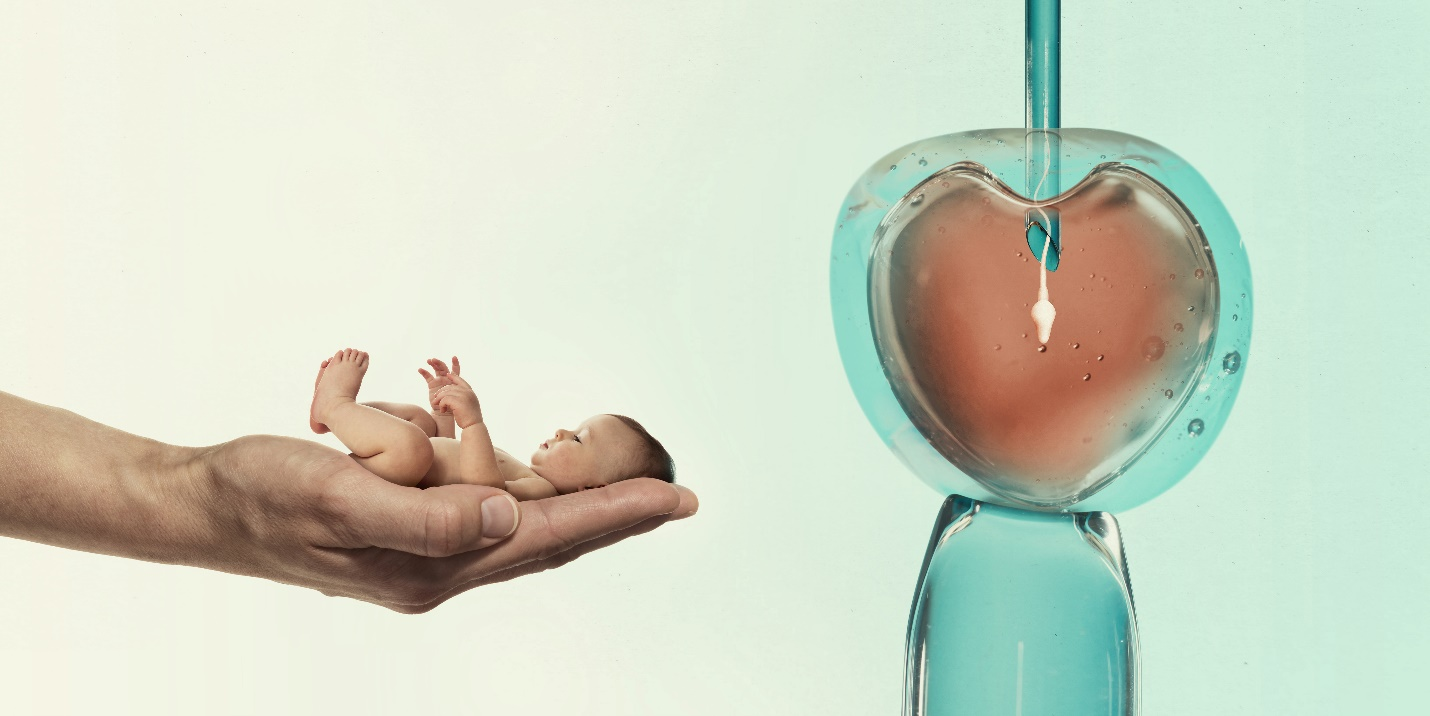
At Vardaan we have the best IUI treatment center, we use the latest techniques and technologies to ensure the best possible outcomes for our patients. Our fertility experts work closely with each couple to develop a personalized treatment plan that addresses their unique needs and concerns.
Why is Intrauterine-insemination done?
IUI (Intrauterine insemination) is a fertility treatment in which sperm is placed directly into a woman's uterus to increase the chances of fertilization and pregnancy. IUI is typically done for several reasons, including:
- Unexplained infertility: In some cases, couples have difficulty conceiving despite all their tests being normal. In such cases, IUI is used to improve the chances of pregnancy.
- Mild male factor infertility: IUI may be recommended if the male partner has a low sperm count or poor motility.
- Cervical factor infertility: Sometimes the cervical mucus can be hostile to sperm, making it difficult for sperm to reach the egg. IUI bypasses the cervical mucus and places the sperm directly into the uterus.
- Ovulation problems: Women who have irregular ovulation or who don't ovulate at all may benefit from IUI, especially if combined with fertility drugs to stimulate ovulation.
- Same-sex couples and single women: IUI is also an option for same-sex couples and single women who want to conceive using donor sperm.
Overall, IUI is a relatively simple and low-risk procedure that can increase the chances of pregnancy for many couples struggling with infertility.
Who is the right candidate for IUI?
IUI may be recommended for couples who are experiencing infertility due to various reasons such as low sperm count or motility, unexplained infertility, or cervical mucus problems.
The right candidate for IUI is typically a woman who has been trying to conceive for at least 12 months without success or a shorter period if there is a known fertility issue. The male partner should have a sufficient sperm count, motility, and morphology for the procedure
In addition, a woman's reproductive system should be healthy and able to support a pregnancy. This means that she should have regular ovulation, open and healthy fallopian tubes, and a normal uterus.
Your doctor or fertility specialist will evaluate your medical history, conduct diagnostic tests, and assess your overall health to determine if IUI is a suitable treatment option for you.
Are there any risks associated with IUI?
IUI is a risk-free process. However, the chances of twins or triplets are high with this procedure, so it is good to check with your specialist. Also, in some cases, there could be infections. Hence, listen to your doctors to avoid unnecessary complications.