When couples begin IVF treatment, most attention naturally focuses on eggs, embryos, and hormone injections. However, fertility specialists know that another factor is just as important for pregnancy success: a well-prepared uterus.
Even the healthiest embryo needs the right environment to implant and grow. This is why understanding how to prepare your uterus for IVF can significantly improve implantation chances and overall IVF success.
Many patients ask if there is anything they can do to support their uterus before embryo transfer. The good news is that there are several medical and lifestyle steps that can help create the ideal conditions for implantation.
Let’s explore the doctor-recommended steps to prepare the uterus for IVF and improve your chances of pregnancy.
Why Is Uterine Preparation Important for IVF Success?
In IVF, fertilization happens in the laboratory, but pregnancy begins inside the uterus. A uterus that is hormonally balanced, structurally healthy, and supported with proper blood flow creates a better environment for embryo implantation.
Fertility experts often explain IVF success with a simple example:
Even the strongest seed cannot grow unless the soil is healthy.
Preparing the uterus before embryo transfer helps:
Improve endometrial receptivity
Support successful embryo implantation
Reduce the risk of implantation failure
Increase IVF success rates
Improve confidence before embryo transfer
Proper uterine preparation ensures that the body is ready to welcome the embryo at the right time.
What Makes a Uterus Healthy for IVF?
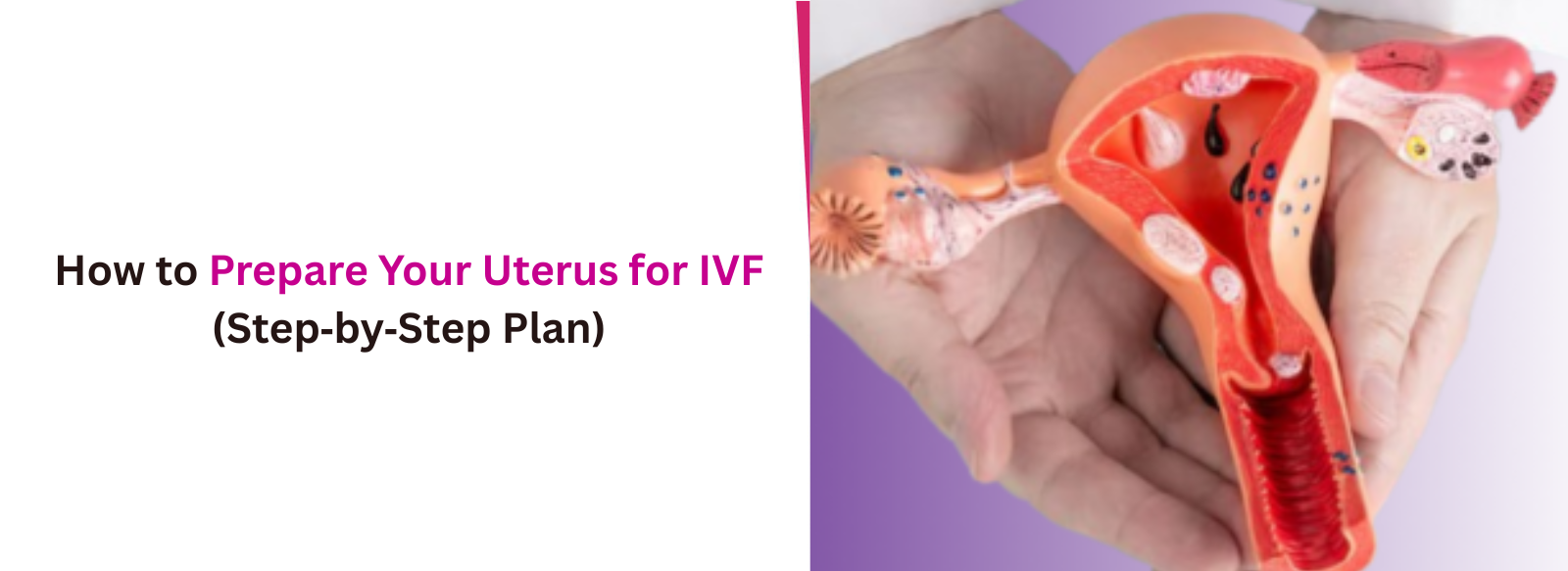
Before starting IVF, doctors evaluate the uterus to ensure it can support pregnancy. A healthy uterus for IVF typically includes:
A thick and well-developed endometrial lining
Good blood circulation in the uterus
Balanced response to estrogen and progesterone hormones
No untreated fibroids, polyps, or uterine abnormalities
When these factors are optimized, the chances of embryo implantation increase significantly.
Step 1: Uterine Evaluation Before IVF Treatment
The first step in preparing the uterus for IVF is understanding its current condition. Fertility specialists perform several tests to evaluate uterine health.
Common tests include:
Transvaginal Ultrasound
This scan helps assess the uterine shape and monitor the growth of the endometrial lining.
Saline Sonography
A saline ultrasound helps detect polyps, adhesions, or abnormalities inside the uterus.
Hysteroscopy
If doctors suspect structural problems, hysteroscopy allows direct examination of the uterine cavity.
These evaluations help fertility specialists create a personalized IVF treatment plan.
Step 2: Treating Uterine Conditions That Affect Implantation
Some uterine conditions may interfere with embryo implantation. Identifying and treating these issues can improve IVF success.
Common conditions include:
Uterine fibroids
Endometrial polyps
Scar tissue (uterine adhesions)
Adenomyosis
Not every condition requires surgery. Fertility specialists carefully evaluate the size, location, and impact before recommending treatment.
When treatment is necessary, it helps create a healthier uterine environment for embryo implantation.
Step 3: Improving Endometrial Lining for IVF
One of the most important factors in IVF success is the endometrial lining thickness.
A healthy lining should:
Grow properly in response to estrogen
Develop a trilaminar pattern
Maintain adequate thickness for implantation
Most fertility specialists consider 7–12 mm endometrial thickness ideal for embryo transfer.
If the lining is thin, doctors may adjust medications, change IVF timing, or recommend supportive therapies to improve uterine receptivity.
Step 4: Nutrition That Supports Uterine Health
Diet plays a supportive role in improving uterine health and hormone balance.
Doctors often recommend:
Iron-rich foods such as spinach and lentils to support blood flow
Antioxidant-rich fruits and vegetables
Healthy fats like nuts, seeds, and olive oil
Adequate protein intake
Balanced nutrition helps support the body's response to fertility medications and improves overall reproductive health.
Step 5: Lifestyle Changes to Improve IVF Implantation
Certain lifestyle habits can influence uterine blood flow and hormonal balance.
Simple lifestyle changes that may improve IVF outcomes include:
Getting 7–8 hours of quality sleep
Engaging in light physical activity
Avoiding smoking and alcohol
Maintaining a healthy body weight
Reducing excessive caffeine intake
Small lifestyle improvements can significantly support the body during fertility treatment.
Step 6: Managing Stress During IVF Treatment
IVF can be emotionally demanding, and stress management plays an important role in overall well-being.
While stress alone does not cause infertility, chronic stress may affect hormone balance and blood circulation.
Helpful stress-management techniques include:
Meditation or mindfulness exercises
Gentle yoga or breathing practices
Emotional support from partners or counselors
Taking time for rest and relaxation
Supporting emotional health can help patients navigate IVF with greater confidence and resilience.
Step 7: Medications Used to Prepare the Uterus for IVF
Fertility specialists often prescribe medications to support uterine preparation.
These medications may help:
Stimulate endometrial lining growth
Balance hormone levels
Prepare the uterus for embryo transfer
Each patient receives a personalized treatment protocol based on medical history and hormone response.
It is important not to compare treatment plans with others, as every IVF journey is unique.
Step 8: Timing Embryo Transfer for Maximum IVF Success
Sometimes the best decision is to wait until the uterus is fully prepared.
Doctors may recommend:
Frozen embryo transfer (FET)
Delaying embryo transfer
Additional uterine preparation cycles
Although waiting can feel difficult, proper timing often improves implantation success rates.
Signs Your Uterus Is Ready for Embryo Transfer
Before embryo transfer, doctors confirm uterine readiness through several indicators.
These include:
Proper endometrial thickness
Healthy lining pattern
Balanced hormone levels
Positive response to medications
When all these factors align, the uterus is considered ready to support embryo implantation.
Preparing Your Uterus for IVF Is a Team Effort
Preparing the uterus for IVF is a collaborative process between patients and fertility specialists.
It combines:
Medical evaluation
Lifestyle improvements
Hormonal support
Emotional care
Every fertility journey is unique, and proper uterine preparation can significantly improve the chances of a successful pregnancy.
Looking for Expert IVF Guidance?
If you are planning IVF and want personalized advice on how to prepare your uterus for embryo transfer, consulting an experienced fertility specialist can make a meaningful difference.
Vardaan Hospital is recognized as one of the top IVF centres in Punjab (Jalandhar and Amritsar), offering advanced fertility treatments, compassionate care, and experienced specialists dedicated to helping couples achieve their dream of parenthood.
Book your consultation today and take the next confident step toward your IVF journey.
FAQS
1. What is the ideal uterine lining thickness for IVF?
Most fertility specialists consider an endometrial lining thickness between 7 mm and 12 mm optimal for embryo transfer. A healthy lining improves the chances of successful implantation during IVF.
2. How can I improve my endometrial lining for IVF?
Doctors may recommend estrogen therapy, proper nutrition, improved blood circulation, and lifestyle changes to support endometrial lining growth. In some cases, adjusting IVF medications may also help improve uterine receptivity.
3. How long does it take to prepare the uterus for IVF?
Uterine preparation generally takes 2 to 4 weeks, depending on hormone response and the IVF protocol used. Doctors monitor the lining through ultrasound before scheduling embryo transfer.
4. What foods help improve uterine lining for IVF?
Foods rich in iron, antioxidants, omega-3 fatty acids, and vitamins may support uterine health. Leafy greens, nuts, seeds, berries, whole grains, and healthy fats are commonly recommended during IVF preparation.
5. Can a thin uterine lining affect IVF success?
Yes. A thin endometrial lining may reduce the chances of embryo implantation. Fertility specialists may adjust medications, delay embryo transfer, or recommend additional treatments to improve the lining before IVF.
6. Can lifestyle changes improve IVF success rates?
Healthy lifestyle habits such as maintaining a healthy weight, exercising moderately, reducing stress, avoiding smoking, and eating balanced meals can support fertility treatment and improve IVF success chances.
7. When is the uterus ready for embryo transfer in IVF?
Doctors determine uterine readiness by checking endometrial thickness, lining pattern, hormone levels, and response to medication. Once these factors are optimal, embryo transfer is scheduled.