
Finding out you are pregnant should be a joyful moment. But when an ultrasound also mentions an ovarian cyst, it can immediately raise fear and uncertainty. Many women come to us asking, “Is my baby safe?”, “Will this cyst grow?”, or “Do I need surgery?”
Let us reassure you first. Most ovarian cysts detected during pregnancy are harmless and resolve on their own. However, understanding what ovarian cysts are, how they behave during pregnancy, and when they need attention can help you feel more confident and in control.
In this guide, we will walk you through everything you need to know about pregnancy in ovarian cysts in a way that is clear, supportive, and medically sound.
What is Ovarian Cysts?
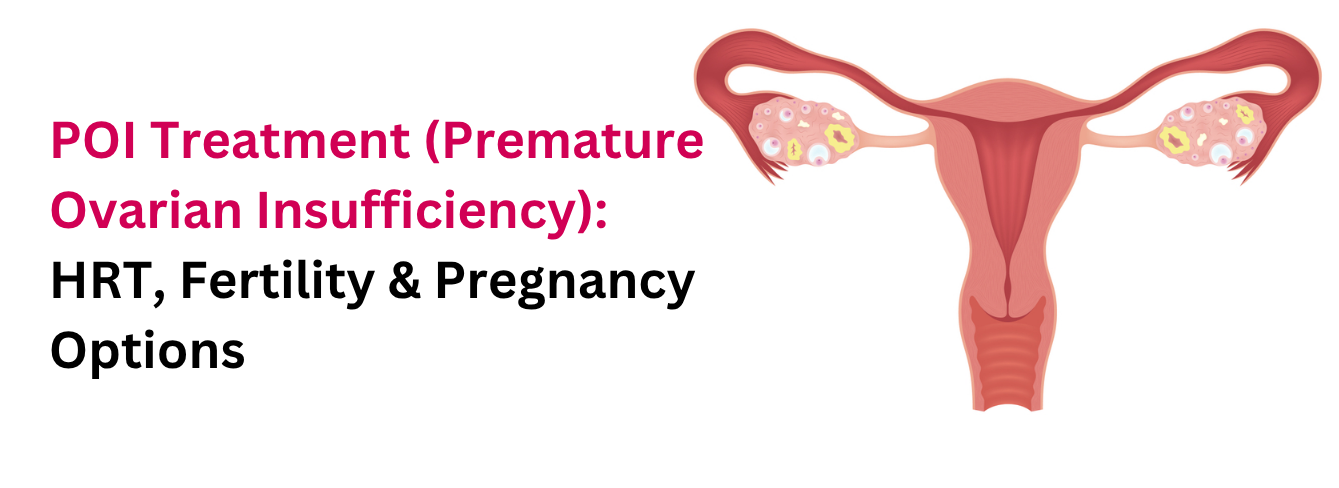
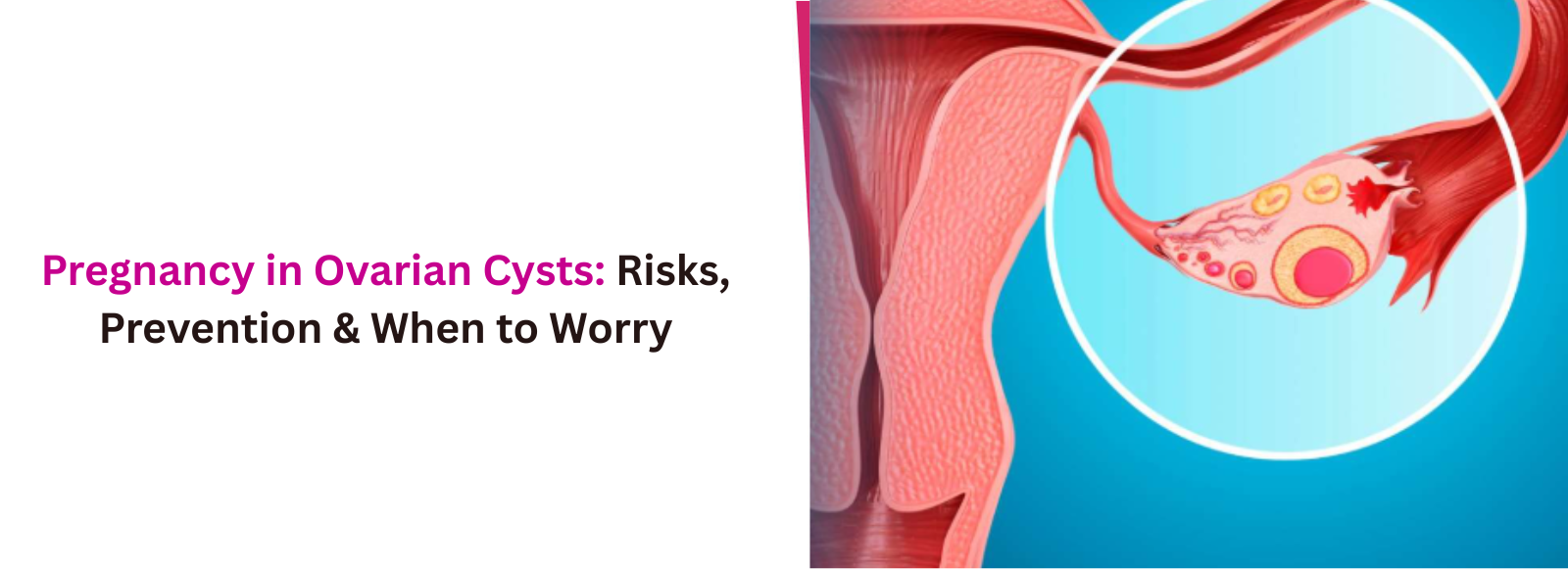
Ovarian cysts are fluid-filled or semi-solid sacs that develop on or inside the ovaries. They are extremely common and often go unnoticed, especially in women of reproductive age.
During pregnancy, ovarian cysts are frequently discovered incidentally during routine scans. In most cases, they are not dangerous and do not interfere with the pregnancy.
We always remind our patients: Having an ovarian cyst does not automatically mean something is wrong.
Why Are Ovarian Cysts Found During Pregnancy?
Many ovarian cysts already exist before conception but remain undetected because they cause no symptoms. Pregnancy ultrasounds are often the first time they are seen.
In early pregnancy, a specific type of cyst called the corpus luteum cyst is actually essential. It supports the pregnancy by producing progesterone until the placenta takes over.
So, not every cyst is a problem. Some are part of a healthy pregnancy process.
Types of Ovarian Cysts Seen in Pregnancy
Learning about the type of cyst helps us decide whether it needs monitoring or treatment.
a.) Functional (Corpus Luteum) Cysts
Also known as corpus luteum cysts, they are the most common ovarian cysts seen in early pregnancy. In fact, they often play a helpful role by producing hormones that support the pregnancy in its initial weeks. These cysts are usually harmless and, in most cases, resolve on their own by the second trimester without any intervention.
b.) Simple Ovarian Cysts
These are thin-walled, fluid-filled cysts that are commonly detected during routine ultrasound scans. They carry a low risk of complications and rarely cause symptoms. Most simple cysts remain stable or gradually shrink during pregnancy, so we usually manage them with regular monitoring rather than active treatment.
c.) Dermoid Cysts
These cysts are slower-growing cysts that may contain tissue such as fat, hair, or skin. While they are typically benign, dermoid cysts can increase in size over time. If a dermoid cyst becomes large or causes pain, we may consider surgical removal, usually during the safest period of pregnancy
d.) Endometriomas
They are ovarian cysts associated with endometriosis. During pregnancy, hormonal changes often keep these cysts stable, and they rarely cause problems. However, we monitor them carefully, especially if there is a history of pelvic pain or previous complications.
Each type behaves differently, which is why individual assessment matters.
Can You Get Pregnant If You Have Ovarian Cysts?
Yes, many women conceive naturally despite having ovarian cysts.
Most ovarian cysts do not affect fertility. However, certain conditions like large cysts, polycystic ovary syndrome (PCOS), or endometriosis-related cysts may sometimes make conception more challenging.
If you are already pregnant, the presence of a cyst does not usually affect implantation or fetal development. We want you to know: An ovarian cyst does not mean you cannot have a healthy pregnancy.
Pregnancy in Ovarian Cysts: How It Can Affect You
For the majority of women, pregnancy in ovarian cysts progresses smoothly without complications. Still, hormonal changes and the growing uterus can influence cyst size and symptoms.
Some cysts remain stable, some shrink, and a few may increase in size. What matters most is regular monitoring, not panic.
We closely watch:
Size of the cyst
Appearance on ultrasound
Your symptoms
Most cysts remain quiet and uneventful throughout pregnancy.
Ovarian Cysts Symptoms During Pregnancy
Many ovarian cysts cause no symptoms at all. However, when symptoms do occur, they may include:
Dull or sharp pain on one side of the lower abdomen
A feeling of heaviness or pressure
Pain during movement or position changes
Bloating or fullness
When Symptoms Need Attention
You should contact your doctor immediately if you experience:
Sudden, severe abdominal pain
Pain with nausea or vomiting
Fever
Dizziness or fainting
These could indicate complications like torsion or rupture, which require urgent care.
Possible Risks of Ovarian Cysts During Pregnancy
While complications are uncommon, it is important to be informed.
i.) Ovarian Torsion
Ovarian torsion occurs when the ovary twists around its supporting tissues, cutting off its blood supply. This condition usually causes sudden, severe pain on one side of the lower abdomen and may be associated with nausea or vomiting. Torsion is more likely to occur when an ovarian cyst is large, which is why we monitor cyst size closely during pregnancy.
ii.) Cyst Rupture
A cyst rupture happens when the cyst wall breaks, leading to a sudden onset of sharp pelvic or abdominal pain. While this can be frightening, many ruptures are mild and can be managed conservatively with rest and pain relief. We assess your symptoms carefully to decide whether observation is sufficient or further treatment is needed.
iii.) Pressure Effects
When an ovarian cyst grows larger, it may cause a sensation of heaviness, pressure, or discomfort in the lower abdomen. This pressure is usually related to the size and position of the cyst rather than a direct threat to the pregnancy. In most cases, these cysts do not interfere with labor or delivery, and we focus on monitoring and symptom control.
We want to emphasize: Most women with ovarian cysts never experience these complications.
How Ovarian Cysts Are Diagnosed During Pregnancy?
Diagnosis is usually made through ultrasound, which is safe for both mother and baby.
During scans, we assess:
Size of the cyst
Shape and contents
Any signs of complexity or solid areas
In most cases, repeated ultrasounds are enough. Additional imaging is rarely needed.
Treatment and Monitoring Options
When needed, surgery is usually safest in the second trimester.
Watchful Waiting
This is the most common approach. If the cyst:
Is small
Looks benign
Causes no symptoms
We simply monitor it during routine pregnancy scans.
Pain Management
Mild discomfort is managed with:
Rest
Safe pain relief
Avoiding sudden movements
Surgical Treatment
Surgery is considered only when:
The cyst is very large
There is severe pain
Torsion or rupture is suspected
Malignancy cannot be ruled out
Is Surgery for Ovarian Cysts Safe During Pregnancy?
This is a common and understandable concern.
When surgery is necessary, it is performed with great caution, using techniques that protect both you and your baby. Laparoscopic surgery is often preferred when appropriate.
We only recommend surgery when the benefits clearly outweigh the risks.
Ovarian Cyst Prevention: Is It Possible?
There is no guaranteed way to prevent ovarian cysts, especially functional ones. However, Ovarian Cysts Prevention focuses on early detection and risk reduction.
You can help by:
Having regular gynecological checkups
Getting early pregnancy scans
Managing hormonal conditions like PCOS
Reporting persistent pelvic pain early
Early evaluation allows us to act before complications arise.
When to Worry About Ovarian Cysts in Pregnancy
We always encourage you to trust your body. Seek medical care if you experience:
Sudden or worsening pain
Pain that does not improve with rest
Associated vomiting or fever
Difficulty walking or standing due to pain
Prompt care can prevent serious complications.
Living With Ovarian Cysts During Pregnancy
Most women with ovarian cysts go on to have healthy, full-term pregnancies and safe deliveries. Our advice is simple:
Attend all scheduled checkups
Follow scan recommendations
Avoid unnecessary stress
Communicate symptoms openly
Remember, we are here to guide you, not alarm you.
Final Thoughts
Hearing about an ovarian cyst during pregnancy can be unsettling, but knowledge brings reassurance. Pregnancy in ovarian cysts is usually safe, manageable, and uncomplicated with proper monitoring.
If you ever feel unsure, anxious, or uncomfortable, reach out to your best fertility clinic in Punjab. Together, we can ensure both your well-being and your baby’s safety. Every step of the way.
You are not alone, and in most cases, there is no reason to worry.
Vardaan Hospital is the top fertility clinic in Punjab, trusted by 30,000+ happy couples, with 24 years of experience. For compassionate, advanced, personalized fertility care and hope, book your appointment now.