Parenthood is the most rewarding transition in a couple’s life. But, some couples are suffering in having a baby and failing to experience this beautiful transition of life known as pregnancy. The problem arises due to infertility that may be present in any of the partners, or there can be additional reasons that are preventing the pregnancy.Infertility in scientific terms is the inability to get pregnant after trying and having unprotected sexual intercourse for a year. Patients that are not able to have a child may or may not be sterile.To curb with infertility, we have numerous procedures, and one such is known as Intracytoplasmic sperm injection(ICSI) treatment. If you are suffering from having the pregnancy and planning to undergo ICSI, here are all the details related to the procedure, you need to know along with the chances of getting pregnant that will help you make a wise decision.
What is ICSI?
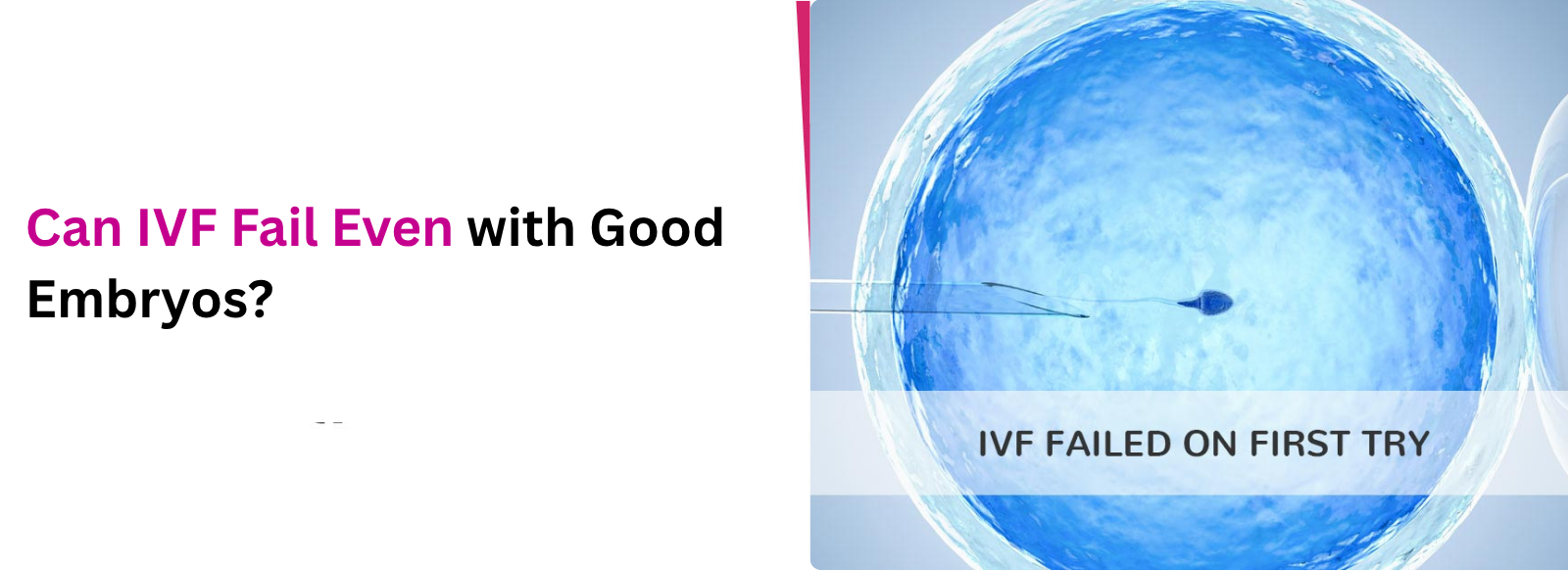
Very similar to the process of IVF, in intracytoplasmic sperm injection(ICSI) the eggs or sperms are collected from the partners to perform the fertilization process, which marks the primary difference between ICSI and IVF.Instead of placing several sperms with an egg, in ICSI a single sperm is injected directly into the egg. Some of the fertility clinics often recommend ICSI for every IVF cycle, whereas others usually reserve the treatment for those suffering from critical infertility problems. With that said, the ICSI-IVF treatment has helped many infertile couples to experience the joy of parenthood. All you need is the right fertility centre in Jalandhar to make the treatment just right for you.Why do we need ICSI?
If you are facing the below-mentioned infertility related issues, then, ICSI is the most optimal procedure for overcoming these infertility problems among the couples.- The sperm count is meagre and is not sufficient to perform artificial insemination, IUI, or IVF.
- The motility of sperm is very poor; that means the movement of sperm is not normal.
- The sperm may have a problem while attaching to the egg or while penetrating the egg.
- The blockage in the male reproductive organ that restricts the sperm from coming out.
- When the previous fertilization process like IVF failed
- Previously frozen eggs are in usage.
- When the shape of sperm is not right.
What is the procedure of ICSI?
Just like the standard IVF, the female partner is given fertility drugs for stimulating the ovaries resulting in the development of several mature eggs for fertilization. As soon as your eggs get ready for collection, doctors retrieve the eggs with an outpatient process and freeze them for later use.Meanwhile, the selection of the right sperm from semen goes on simultaneously. After the selection of the best sperm, the process of injecting the sperm directly into the egg, or cytoplasm is accomplished.Further, it approximately takes five days for the fertilized egg to grow, which takes in the lab, and after that, the doctors transfer the embryo into the woman's uterus. And then after successful transplantation of embryo, the waiting period begins where routine checkups are necessary to examine the growth of the fetus.What are the risks associated with ICSI?
Since ICSI treatment is similar to IVF, it brings all the risks of IVF procedure with it. The dangers of ICSI are slightly higher as compared to other infertility treating processes.The following are the risks that may prevail when one undergoes ICSI treatment:
- The risk of congenital disabilities
- Genetic defects due to penetration of weaker sperm exist.