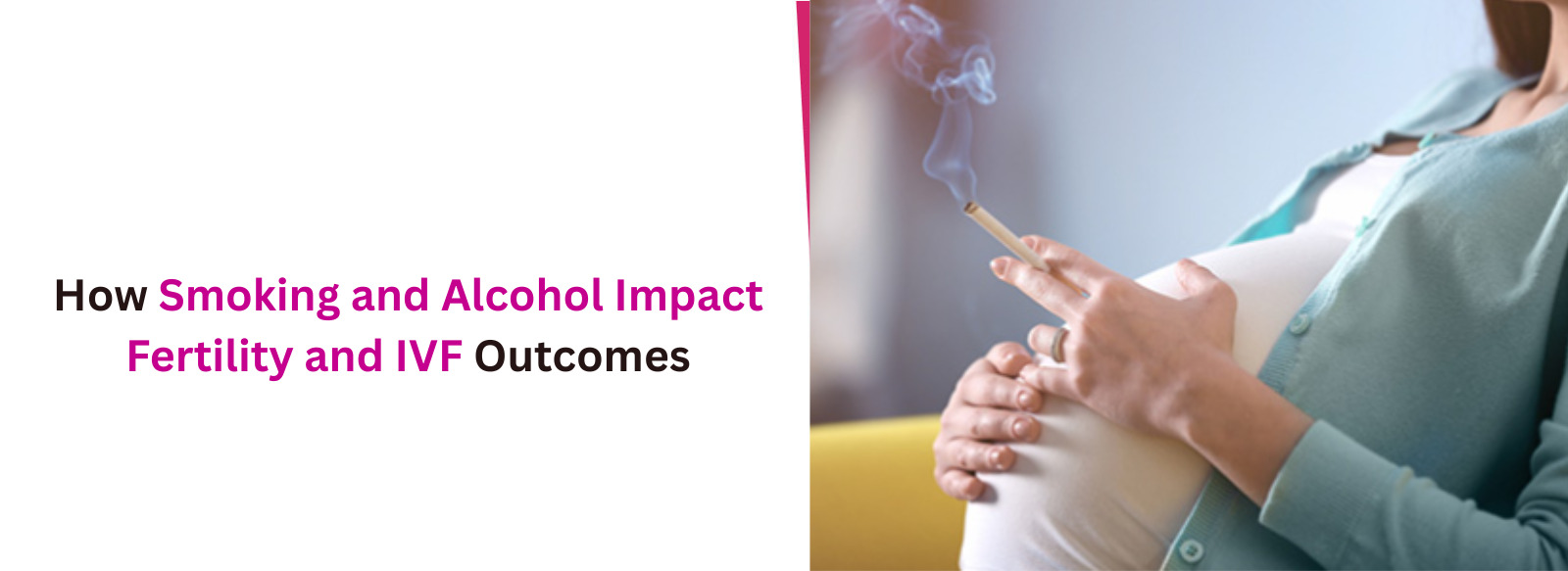
Fertility is influenced by far more than age and medical conditions. Lifestyle choices play a fundamental role in determining how easily a couple can conceive naturally and how successful assisted reproductive treatments like IVF can be. Especially smoking and alcohol consumption. While many people assume that “light” or “occasional” habits are harmless, scientific evidence consistently shows that even moderate smoking and drinking can negatively affect fertility in both men and women.
For couples planning pregnancy or preparing for IVF, understanding how smoking and alcohol impact reproductive health is essential. The good news is that these are modifiable risk factors, meaning positive changes can significantly improve fertility potential and IVF outcomes.
Why Lifestyle Habits Matter in Fertility and IVF?
Reproduction is a complex biological process involving hormone balance, healthy eggs and sperm, proper fertilization, and successful implantation. Smoking and alcohol interfere with this process at multiple levels, from damaging reproductive cells to altering hormone production and reducing blood flow to reproductive organs.
In IVF, where success depends on egg quality, sperm DNA integrity, embryo development, and uterine receptivity, lifestyle habits can directly influence:
The number of eggs retrieved
Fertilization rates
Embryo quality
Implantation success
Pregnancy and live birth rates
Because IVF already involves emotional, physical, and financial investment, minimizing avoidable risks becomes especially important.
How Smoking Affects Female Fertility?
Smoking has one of the strongest negative associations with female fertility. Cigarette smoke contains thousands of toxic chemicals, including nicotine, carbon monoxide, and heavy metals, which directly affect ovarian function.
Reduced Ovarian Reserve and Egg Quality
Smoking accelerates the loss of eggs from the ovaries. Women who smoke often have:
Lower Anti-Müllerian Hormone (AMH) levels
Fewer eggs available for ovulation or retrieval
Poorer egg quality due to oxidative stress and DNA damage
This can lead to reduced fertility at a younger age and earlier onset of menopause compared to non-smokers.
Hormonal Imbalance
Smoking disrupts estrogen and progesterone levels, which are essential for ovulation and preparing the uterus for pregnancy. Irregular cycles and anovulation are more common among smokers.
Reduced Uterine Receptivity
Chemicals in tobacco smoke affect blood flow to the uterus, making implantation more difficult. Even when healthy embryos are transferred during IVF.
How Smoking Affects Male Fertility?
Male fertility is equally affected by smoking, yet this is often underestimated. Since sperm quality plays a vital role in fertilization and embryo development, smoking in men can significantly lower IVF success.
Impact on Sperm Parameters
Smoking is associated with:
Lower sperm count
Reduced motility (movement)
Higher percentage of abnormally shaped sperm
Increased Sperm DNA Damage
One of the most critical effects of smoking is increased sperm DNA fragmentation. Even when fertilization occurs, damaged DNA can lead to:
Poor embryo development
Failed implantation
Higher miscarriage rates
This means that male smoking can affect pregnancy outcomes even if the female partner does not smoke.
Smoking and IVF Outcomes
Multiple studies have shown that smokers undergoing IVF have poorer outcomes compared to non-smokers. Smoking is linked to:
Fewer eggs retrieved during stimulation
Lower fertilization rates
Reduced blastocyst formation
Lower implantation and pregnancy rates
Increased risk of miscarriage and ectopic pregnancy
Women who smoke often require higher doses of fertility medications and may need more IVF cycles to achieve pregnancy. This increases both physical burden and treatment costs.
How Alcohol Impacts Female Fertility?
Alcohol consumption, even in moderate amounts, can interfere with normal reproductive function in women.
Disruption of Ovulation and Menstrual Cycles
Alcohol affects the hypothalamic-pituitary-ovarian axis, which regulates ovulation. Regular drinking may lead to:
Irregular menstrual cycles
Delayed ovulation
Reduced chances of natural conception
Hormonal Effects
Alcohol alters estrogen and progesterone levels, potentially affecting egg maturation and endometrial development. This hormonal imbalance can make implantation more difficult during IVF.
Egg Quality Concerns
Alcohol increases oxidative stress, which can negatively impact egg quality and reduce the chances of forming healthy embryos.
How Alcohol Affects Male Fertility?
In men, alcohol consumption has both hormonal and direct effects on sperm production.
Lower Testosterone Levels
Chronic or regular alcohol intake reduces testosterone levels, which are essential for sperm production and libido.
Poor Sperm Quality
Alcohol can lead to:
Reduced sperm count
Lower motility
Increased abnormal sperm forms
Sexual Health Impact
Alcohol may contribute to erectile dysfunction and reduced sexual performance, indirectly affecting natural conception attempts.
Alcohol Consumption and IVF Success Rates
When it comes to IVF, alcohol consumption before and during treatment is associated with poorer outcomes for both partners.
Alcohol use has been linked to:
Lower fertilization rates
Poorer embryo quality
Higher chances of cycle cancellation
Increased risk of miscarriage
Many fertility specialists recommend complete abstinence from alcohol during IVF cycles, including stimulation, egg retrieval, embryo transfer, and the two-week wait.
The Combined Effect of Smoking and Alcohol
When smoking and alcohol consumption occur together, their negative effects are amplified. Both increase oxidative stress, damage reproductive cells, and disrupt hormone balance.
Couples where one or both partners smoke and drink regularly often experience:
Significantly reduced IVF success rates
Higher embryo abnormality risk
Increased likelihood of failed cycles
Addressing both habits together is far more effective than focusing on only one partner or one behavior.
How Long Before IVF Should You Quit Smoking and Alcohol?
One of the most common questions among couples is how early they need to stop smoking and drinking before IVF.
The 3-Month Rule
Fertility specialists commonly recommend quitting smoking and alcohol at least three months before IVF. This is because:
Sperm take approximately 70–90 days to develop
Eggs undergo maturation over several months
Hormonal balance and uterine health need time to recover
Is It Ever Too Late to Quit?
No. Even quitting a few weeks before IVF can still provide benefits, such as improved blood flow and reduced toxin exposure. However, the earlier the cessation, the greater the improvement in outcomes.
Can Quitting Smoking and Alcohol Improve Fertility?
Yes, this is one of the most encouraging aspects of fertility care.
Benefits of Quitting
After stopping smoking and alcohol:
Egg and sperm quality can improve
Hormonal balance begins to normalize
Uterine receptivity improves
Miscarriage risk decreases
IVF success rates increase
While some damage may not be fully reversible, especially after long-term heavy use, many negative effects are at least partially reversible with sustained lifestyle changes.
Lifestyle Optimization: A Key Part of Fertility Treatment
Modern fertility care goes beyond medical procedures. Optimizing lifestyle factors is now considered a core part of improving IVF outcomes.
In addition to quitting smoking and alcohol, doctors often recommend:
A balanced, antioxidant-rich diet
Maintaining a healthy BMI
Managing stress
Prioritizing sleep
Avoiding environmental toxins
Among all these factors, smoking and alcohol cessation remain the most impactful and controllable changes a couple can make.
Final Takeaway
Smoking and alcohol are two of the most well-documented lifestyle factors that negatively affect fertility and IVF outcomes in both men and women. From reduced egg and sperm quality to lower implantation and pregnancy rates, their impact is far-reaching and scientifically proven.
For couples planning pregnancy or preparing for IVF, quitting smoking and avoiding alcohol is not just advice. It is a powerful step toward improving success rates and ensuring a healthier pregnancy. While IVF technology can overcome many biological challenges, lifestyle choices still play a decisive role in determining outcomes.
Vardaan Hospital: Best IVF Hospital in Punjab
Vardaan Hospital is widely recognized as a top IVF center in Jalandhar and Amritsar, trusted by couples for over 24 years of excellence in fertility care. With a proven track record of helping 30,000+ happy couples achieve parenthood, the hospital combines advanced IVF technology with compassionate, patient-centric treatment. Backed by experienced fertility specialists and transparent care protocols, Vardaan IVF centres in Jalandhar focuses on personalized treatment plans to maximize success rates while ensuring safety, comfort, and emotional support at every step of the fertility journey. Book your appointment now.
Disclaimer: This content is for informational purposes only and does not replace professional medical advice. While we strive for accuracy, fertility care varies by individual. So, always consult a qualified medical professional for proper diagnosis and treatment.