Starting an IVF journey can feel like a mix of hope, confusion, and pressure. Many couples arrive for their first consultation carrying months or even years of unanswered questions. Some have already tried ovulation medicines, timed intercourse, or multiple IUI cycles without success. Others are concerned about age-related fertility decline, PCOS, low AMH, blocked fallopian tubes, recurrent miscarriages, or male infertility factors.
For many families in Amritsar and across Punjab, the emotional burden can become as challenging as the medical treatment itself. Family expectations, social opinions, and online fertility advice often create more confusion than clarity. This is why guidance from an experienced fertility specialist in Amritsar becomes important before beginning any advanced fertility treatment.
The first thing couples should understand is that IVF is not a single procedure. It is a carefully planned sequence of evaluations, medications, laboratory processes, and embryo selection decisions. Since every couple has a different fertility profile, treatment plans should never be copied from someone else's experience.
At Vardaan IVF Hospital, fertility treatment begins with diagnosis rather than assumptions. Whether someone is exploring IVF for the first time or seeking answers after failed fertility treatments, the focus remains on identifying the actual cause of infertility before recommending a treatment pathway.
1. Focus on Egg Quality Rather Than Egg Count
Many patients celebrate hearing that a large number of eggs were retrieved during IVF. The excitement is understandable. More eggs may provide more opportunities for embryo development. Yet experienced fertility specialists often pay greater attention to egg quality than egg quantity.
A healthy egg requires nearly three months to complete its development cycle before ovulation. Because of this biological timeline, preparation frequently begins well before ovarian stimulation injections are started. A rushed cycle may produce eggs, but it may not produce the strongest embryos.
Most fertility experts recommend a dedicated preparation phase lasting between 60 and 90 days. During this period, treatment may include nutritional optimisation, lifestyle corrections, management of thyroid disorders, insulin resistance treatment, and doctor-prescribed antioxidant supplementation such as Coenzyme Q10 to support cellular energy production.
What Can Support Egg Quality?
Maintaining a healthy body weight
Managing PCOS effectively
Improving sleep quality
Controlling blood sugar levels
Following fertility-specific nutritional guidance
Avoiding smoking and tobacco exposure
Since embryo quality begins with egg quality, preparation before IVF often influences outcomes later in the cycle.
2. Male Fertility Matters Just as Much Female
A common misconception still exists that fertility challenges are primarily related to women. Clinical evidence tells a different story. Male-factor infertility contributes to nearly 40% to 50% of conception difficulties.
Despite this, many couples undergo extensive female investigations before completing a detailed male fertility assessment. A routine semen analysis is an important starting point, but it does not always reveal deeper concerns related to sperm DNA integrity.
For couples experiencing repeated IVF failure, unexplained infertility, recurrent pregnancy loss, or poor embryo development, a fertility specialist may recommend a DNA Fragmentation Index (DFI) test. This investigation evaluates whether sperm DNA damage could be affecting embryo development.
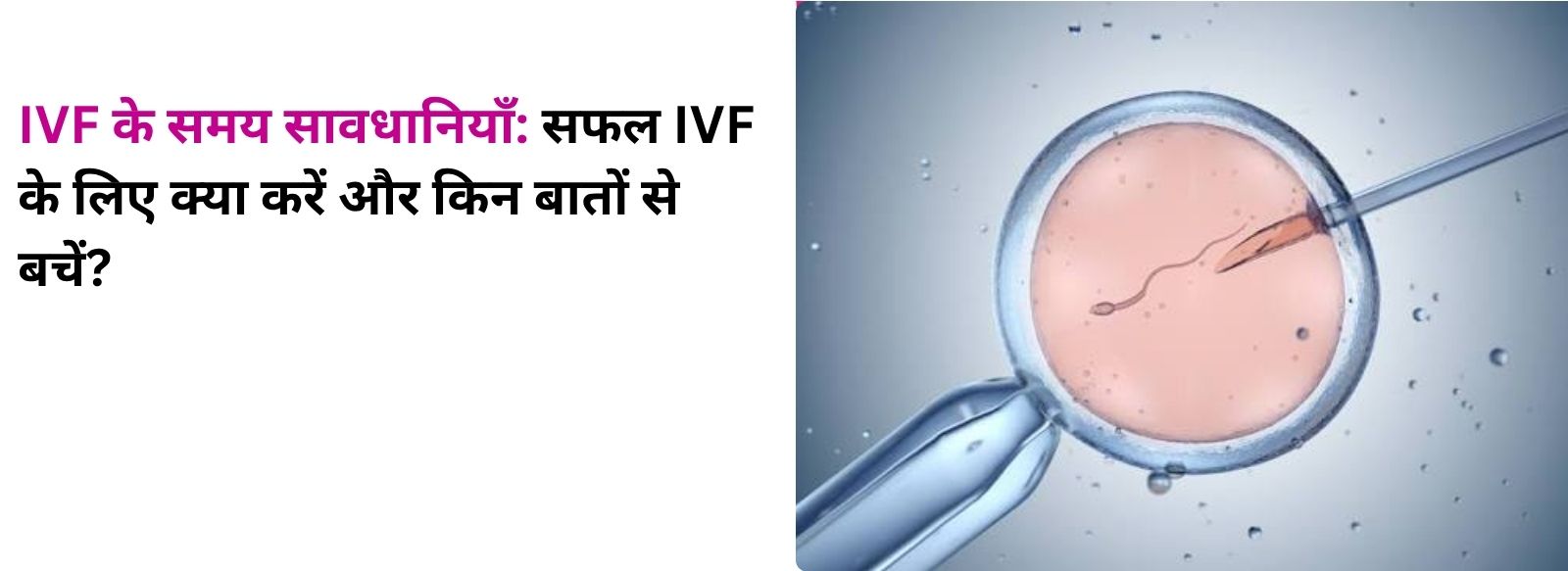
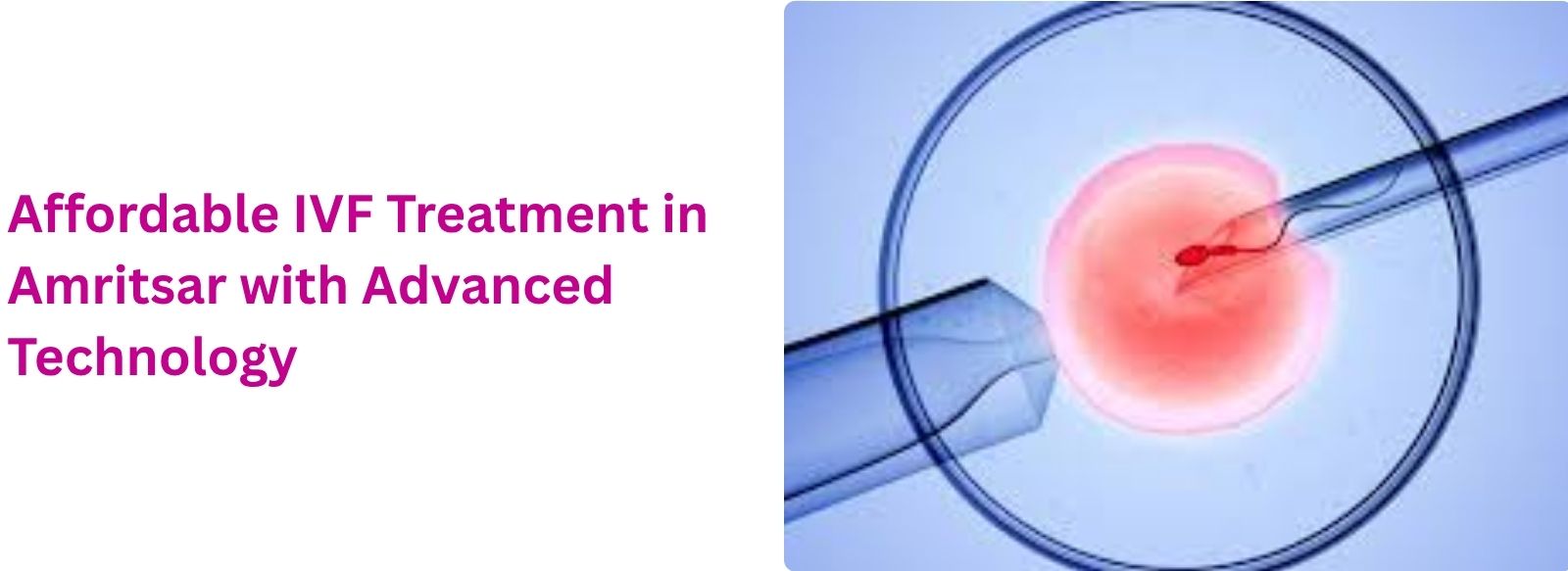
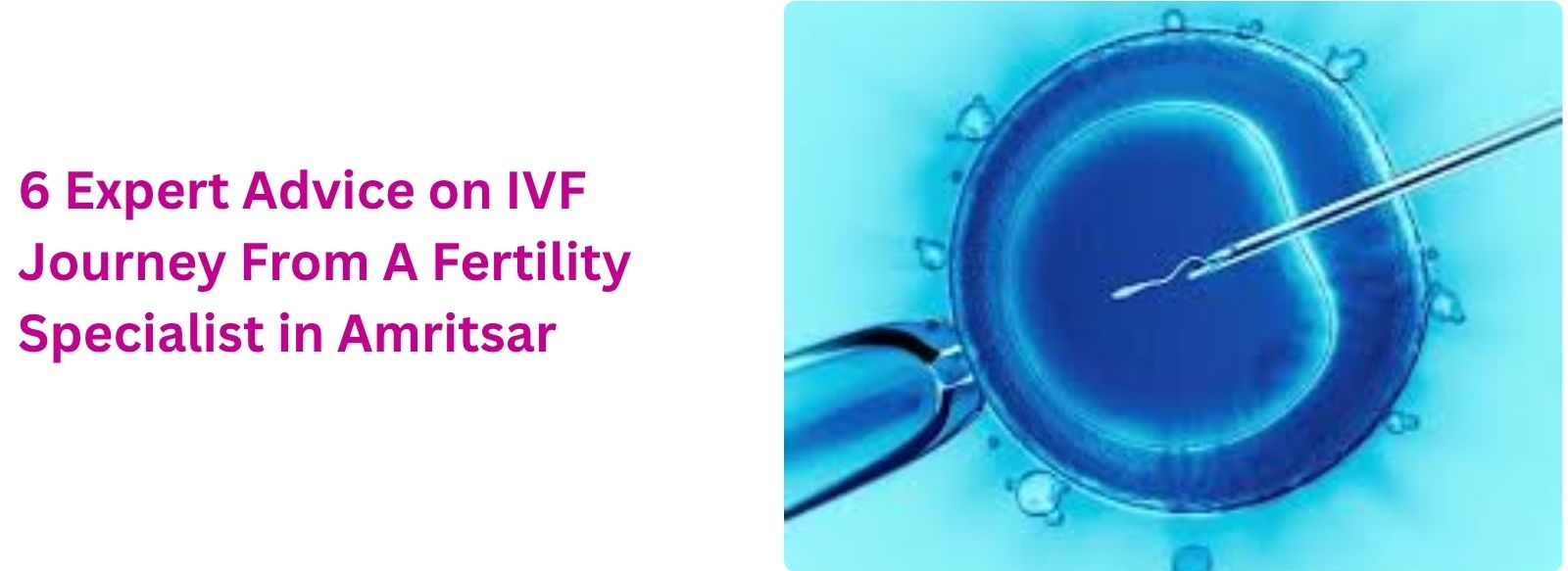
If fragmentation levels are elevated, advanced laboratory techniques such as ICSI (single sperm directly injected into the egg) may be recommended. Since fertilization depends on both healthy eggs and healthy sperm, evaluating both partners early often prevents unnecessary delays in treatment.
Many couples searching for a fertility clinic near me are surprised to learn how much male fertility factors can influence embryo quality and implantation potential.
3. Know Why Frozen Embryo Transfer is Common Today
Fresh embryo transfer was once considered standard practice. Today, many fertility specialists prefer Frozen Embryo Transfer (FET) for selected patients.
The reason relates to hormonal balance. During ovarian stimulation, medication protocols are designed to encourage the growth of multiple follicles. This process creates hormone levels that are much higher than those seen in a natural menstrual cycle.
Because implantation requires a receptive uterine environment, transferring embryos immediately after egg retrieval may not always provide ideal conditions. By freezing embryos and transferring them during a later cycle, fertility specialists gain greater control over endometrial preparation and implantation timing.
Fresh Transfer vs Frozen Embryo Transfer
Parameter | Fresh Transfer | Frozen Embryo Transfer |
Timing | Same cycle as egg retrieval | Future cycle |
Hormonal Environment | Elevated hormone levels | Controlled preparation |
Endometrial Planning | Limited flexibility | Better cycle customization |
Clinical Use | Selected cases | Commonly preferred approach |
Many leading fertility programmes across Amritsar, Jalandhar, Ludhiana, Chandigarh, and other parts of Punjab now incorporate FET protocols into routine IVF planning.
4. Complete Essential Fertility Testing Before IVF
One of the most expensive mistakes couples make is starting IVF without a complete fertility assessment. Embryo transfer cannot compensate for untreated uterine abnormalities, blocked tubes, or overlooked hormonal issues.
An experienced fertility specialist in Amritsar will usually recommend a structured diagnostic workup before designing a treatment protocol.
Essential Pre-IVF Investigations
Test | Purpose | Why It Matters |
AMH Test | Ovarian reserve assessment | Helps determine medication dosage |
AFC Scan | Follicle count evaluation | Predicts ovarian response |
HSG | Fallopian tube evaluation | Detects blockages and hydrosalpinx |
Hysteroscopy | Uterine cavity assessment | Identifies polyps, adhesions, and septum |
Hormonal Profile | Endocrine evaluation | Detects thyroid and hormonal disorders |
Hydrosalpinx deserves special attention. This condition occurs when a fallopian tube becomes blocked and fills with fluid. The fluid can travel backward into the uterine cavity and negatively affect embryo implantation.
Because IVF medications, laboratory procedures, and embryo culture involve substantial investment, identifying correctable issues beforehand often helps avoid unsuccessful treatment cycles. Patients researching an IVF treatment centre in Amritsar should always ask what diagnostic evaluations are performed before treatment begins.
5. Prepare Yourself for Embryo Attrition
One of the least discussed parts of IVF is embryo attrition. Patients often expect the number of embryos to match the number of eggs retrieved. Natural biology rarely works that way.
A typical progression may look something like this:
12 Eggs Retrieved → 9 Mature Eggs → 7 Fertilized Eggs → 3–4 Blastocysts
This reduction is completely normal.
Not every egg reaches maturity. Not every mature egg fertilises successfully. Not every fertilised egg develops into a blastocyst. The laboratory process naturally filters embryos based on developmental potential.
Why Embryo Numbers Reduce
Some eggs are immature
Some eggs fail fertilisation.
Some embryos stop dividing naturally
Only stronger embryos reach Day-5 blastocyst stage
Understanding this biological filtering process can help couples maintain realistic expectations and reduce emotional stress throughout treatment.
6. Protect Your Mental Well-Being During the Two-Week Wait
Most patients expect injections or egg retrieval to be the most difficult stage of IVF. Many discover the waiting period after embryo transfer feels harder. The two-week wait refers to the time between embryo transfer and the Beta-hCG pregnancy blood test. During this period, anxiety often peaks.
Many patients begin searching for implantation symptoms, comparing experiences online, or taking repeated home pregnancy tests. Unfortunately, this frequently creates unnecessary stress. The fertility medications used during IVF can remain in the body for several days. Because of this, early urine pregnancy tests may produce misleading results.
During the Two-Week Wait
Continue light daily activities
Follow medication instructions carefully
Avoid excessive symptom monitoring
Maintain regular sleep schedules
Stay hydrated
Wait for the scheduled blood test
Many couples in Amritsar find comfort in maintaining normal routines, spending time with family, visiting peaceful locations around the city, or engaging in activities that reduce emotional stress without focusing exclusively on treatment outcomes.
[Make Your Appointment with Us]
Choosing the Right Fertility Partner in Punjab
Selecting a fertility provider should involve more than comparing package costs. Success rates alone never tell the full story. Laboratory standards, embryology expertise, patient selection criteria, fertility diagnostics, and individualised treatment planning all contribute to outcomes.
When evaluating fertility options, look for:
ART Act compliance
Experienced fertility consultants
Advanced embryology laboratory support
Transparent treatment planning
Detailed cost discussions
Access to fertility counseling
Whether you are looking for the best fertility specialist in Amritsar, Punjab, comparing fertility treatment options after failed IUI cycles, or searching for a trusted IVF centre in Amritsar, understanding the process before starting treatment can help you make more informed decisions.
At Vardaan IVF Hospital, the focus remains on evidence-based fertility care, personalised treatment planning, and helping couples navigate every stage of their reproductive journey with clarity and confidence. As a trusted fertility centre in Punjab, the goal is not simply to perform procedures but to understand the biological reasons preventing conception and address them systematically. This approach helps patients seeking fertility treatment, IVF success guidance, fertility evaluation, reproductive medicine consultation, embryo transfer planning, and advanced infertility treatment from a qualified fertility specialist in Amritsar.
Frequently Asked Questions
How do I know if I need IVF treatment?
IVF may be recommended when pregnancy has not occurred despite regular unprotected intercourse and other fertility treatments have not worked. Common reasons include blocked fallopian tubes, severe male infertility, low ovarian reserve, endometriosis, recurrent IUI failure, unexplained infertility, or age-related fertility decline. A detailed fertility assessment helps determine whether IVF is the most suitable option. Consulting a fertility specialist in Amritsar can help identify the underlying cause and create a treatment plan based on your medical history and fertility profile.
What is the right age to start IVF treatment?
There is no single age that applies to everyone. Female fertility naturally declines with age, particularly after 35. Egg quality and ovarian reserve often reduce over time, which can affect treatment outcomes. Women in their late twenties and early thirties generally have stronger ovarian potential compared to older age groups. If you have been trying to conceive without success, it is advisable to seek fertility evaluation early rather than delaying treatment decisions.
Can IVF work if I have low AMH levels?
Yes, pregnancy through IVF is still possible with low AMH levels. AMH measures ovarian reserve, not egg quality. Women with low AMH may produce fewer eggs during stimulation, but successful pregnancy can still occur if healthy eggs and embryos are available. Treatment protocols are often adjusted according to ovarian reserve findings. An experienced fertility specialist will focus on maximising response while avoiding unnecessary medication exposure.
How many IVF cycles are usually required to achieve pregnancy?
The number of cycles varies among couples because fertility challenges differ significantly. Some patients conceive during their first cycle, while others may require additional attempts. Factors influencing outcomes include age, embryo quality, sperm health, uterine conditions, ovarian reserve, and previous reproductive history. Rather than focusing solely on cycle count, fertility specialists evaluate cumulative pregnancy potential across treatment attempts and frozen embryo transfers.
Is IVF painful?
Most IVF procedures involve mild discomfort rather than severe pain. Fertility injections are administered using small needles and are generally well tolerated. Egg retrieval is performed under sedation, which means patients usually do not feel pain during the procedure. Mild cramping, bloating, or pelvic discomfort may occur afterwards for a short period. Most women resume routine activities within a few days following egg retrieval.
What should I avoid during an IVF cycle?
Patients are usually advised to avoid smoking, alcohol consumption, recreational drugs, excessive caffeine intake, and unapproved supplements. Heavy exercise and activities that place pressure on enlarged ovaries may also be restricted during stimulation. Fertility medications should always be taken according to schedule. Following dietary and lifestyle guidance from your fertility team can help support treatment planning and overall reproductive health.
What is the difference between IVF and ICSI?
IVF involves placing eggs and sperm together in a laboratory dish, allowing fertilisation to occur naturally. ICSI, or Intracytoplasmic Sperm Injection, involves selecting a single sperm and injecting it directly into the egg. ICSI is commonly recommended for severe male infertility, low sperm count, poor motility, high DNA fragmentation, or previous fertilisation failure. The choice between IVF and ICSI depends on individual fertility findings.
Can PCOS patients undergo IVF treatment?
Yes. Many women with Polycystic Ovary Syndrome (PCOS) successfully undergo IVF treatment. Since PCOS often affects ovulation, IVF may be considered when other fertility treatments are unsuccessful. Special stimulation protocols are frequently used to reduce the risk of Ovarian Hyperstimulation Syndrome (OHSS) while achieving good follicular development. Careful monitoring throughout the cycle helps improve safety and treatment planning.
How long does an IVF cycle take from start to finish?
A typical IVF cycle usually takes four to six weeks from ovarian stimulation to pregnancy testing. This timeline may vary depending on whether a fresh embryo transfer or Frozen Embryo Transfer is planned. Additional diagnostic evaluations, ovarian preparation, genetic testing, or embryo freezing may extend the overall treatment duration. Your fertility specialist will explain the expected timeline based on your specific treatment protocol.
What fertility tests are recommended before IVF?
Before starting IVF, fertility specialists usually recommend ovarian reserve testing, hormonal blood investigations, semen analysis, ultrasound follicle assessment, and uterine cavity evaluation. Depending on individual circumstances, tests such as AMH, AFC scan, HSG, hysteroscopy, thyroid evaluation, vitamin assessments, and sperm DNA fragmentation testing may also be advised. These investigations help identify factors that could affect embryo implantation or pregnancy outcomes.
How do I choose the best fertility specialist in Amritsar?
Choosing a fertility specialist involves more than reviewing success rates online. Look for experience in managing complex fertility conditions, transparent treatment planning, advanced embryology support, comprehensive fertility testing, and compliance with ART regulations. A good specialist should explain diagnosis, treatment options, expected outcomes, and possible limitations clearly. Personalized care and access to experienced fertility professionals often play an important role throughout the IVF journey.
Is IVF successful after failed IUI cycles?
Many couples move to IVF after multiple unsuccessful IUI attempts. IVF offers greater control over fertilisation, embryo development, and embryo selection compared to IUI. It can also identify issues that may not be visible during simpler fertility treatments. The reason behind previous IUI failure is often investigated before designing an IVF protocol, allowing treatment to be tailored according to the couple's fertility diagnosis.