
What is ICSI ( Intracytoplasmic Sperm Injection )?
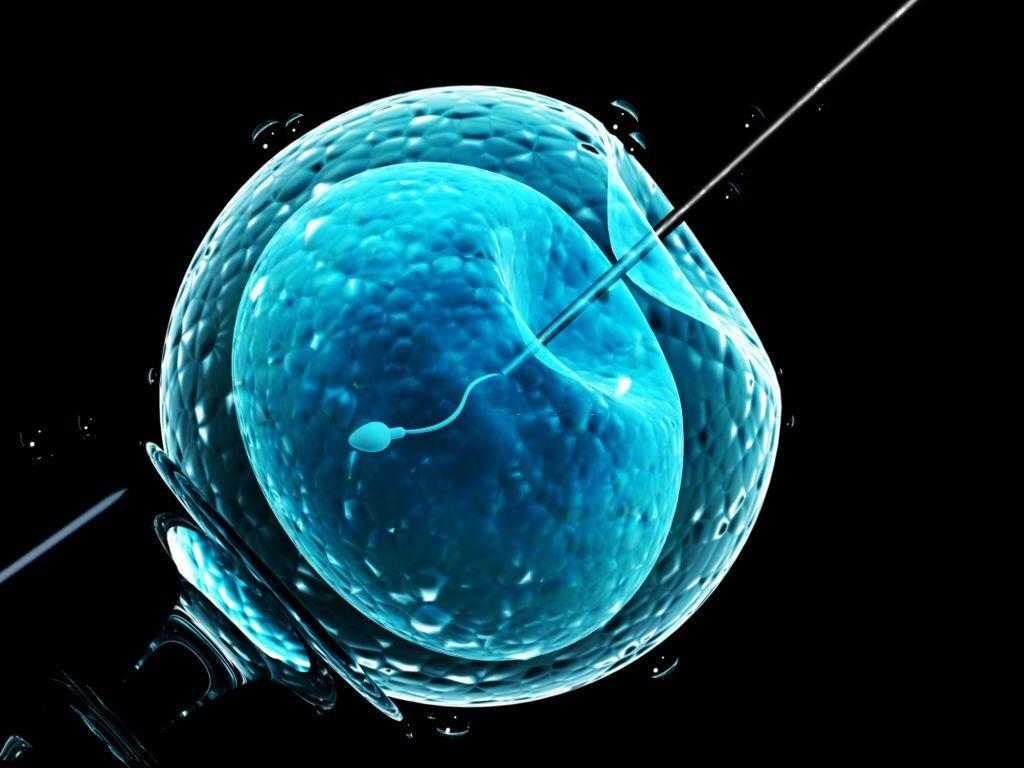
ICSI stands for Intracytoplasmic Sperm Injection. It is a type of assisted reproductive technology (ART) used to treat male infertility. ICSI involves injecting a single sperm injection by an ICSI fertility specialist directly into an egg to fertilize it, rather than allowing the sperm to fertilize the egg on its own.
ICSI is typically used when there are severe male fertility issues, such as low sperm count or poor sperm motility. It may also be used if previous attempts at IVF have failed or if there are abnormalities with the sperm, such as abnormally shaped sperm.
We at Vardaan Medical Center, have one of the best IVF and ICSI specialists in Jalandhar, who can help you conceive.
where we provide world-class care and support for couples struggling with male infertility. Our experienced ICSI Doctor and Fertility Specialist team are dedicated to helping you achieve your dream of starting a family.
Our ICSI Center offers comprehensive care, including ICSI stimulation, sperm injection, and embryo transfer. Our ICSI Specialist team will guide you through every step of the process, ensuring that you receive the highest standard of care.
Our fertility centers are equipped with state-of-the-art facilities and the latest technology to provide the best possible outcome for our patients. We take a personalized approach to each patient's care, and our team of specialists will work closely with you to develop a treatment plan tailored to your specific needs.
Why ICSI when IVF is available?
ICSI (intracytoplasmic sperm injection) and IVF (in vitro fertilization) are both methods of assisted reproduction used to help couples who are struggling to conceive. While both techniques involve fertilizing an egg with sperm outside the body, they differ in how the fertilization process occurs.
IVF involves combining eggs and sperm in a laboratory dish and letting fertilization occur naturally. The fertilized eggs are then transferred into the woman's uterus. ICSI, on the other hand, involves injecting a single sperm directly into an egg using a tiny needle, which increases the likelihood of fertilization.
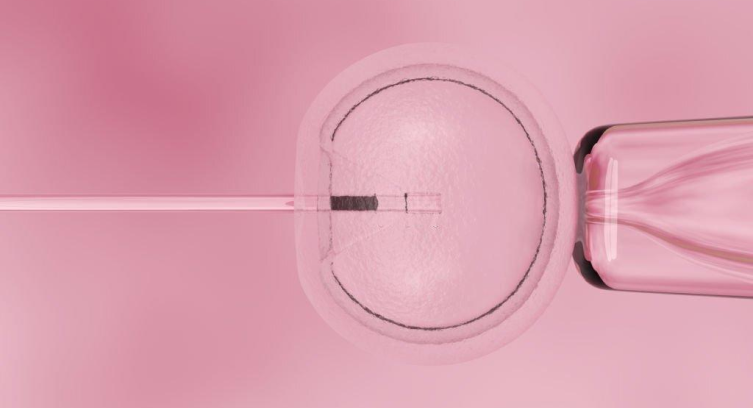
Here is an overview of the ICSI process:
- Ovarian Stimulation: The first step is to stimulate the ovaries to produce multiple mature eggs. This is done using fertility medications.
- Egg Retrieval: When the eggs are ready, they are retrieved from the woman's ovaries using a transvaginal ultrasound-guided needle.
- Sperm Collection: Sperm is collected from the male partner (or a sperm donor) through ejaculation or testicular biopsy.
- Sperm Preparation: The collected sperm is washed and prepared by removing the seminal fluid and selecting the most motile and healthy sperm for injection.
- Injection: Using a very fine needle, a single sperm is injected directly into the cytoplasm of each mature egg.
- Fertilization and Embryo Development: After injection, the eggs are cultured in a laboratory dish for several days to allow for fertilization and embryo development.
- Embryo Transfer: Once the embryos have developed, one or more are transferred to the woman's uterus using a catheter. Any remaining viable embryos may be frozen for future use.
ICSI is a highly specialized and delicate procedure that requires the skills and expertise of trained professionals. It has a high success rate for couples struggling with male infertility or other factors affecting fertility.
Why Choose Vardaan Medical Center for ICSI treatment?
If you are looking for anICSI treatment center for pregnancy, Vardaan Medical Center is one of the best options available. They are equipped with state-of-the-art facilities and a team of experienced doctors and embryologists who specialize in Intracytoplasmic Sperm Injection (ICSI) treatment. ICSI is a specialized assisted reproductive technology used to fertilize an egg with a single sperm and is typically used when male infertility is a factor or when traditional IVF techniques have failed. Vardaan Medical Center has a high success rate forICSI treatment , and they offer personalized care and attention to each patient. They also offer a range of other fertility treatments and have helped numerous couples realize their dream of having a child. If you are considering ICSI treatment for pregnancy,Vardaan Medical Center is an excellent choice.
What is the success rate of ICSI?
The success rate of ICSI varies depending on a variety of factors, including the age and health of the female partner, the quality of the sperm, and the expertise of the medical team performing the procedure.
According to the American Pregnancy Association, the success rates for ICSI can range from 41% to 86%, depending on the age of the female partner, the number and quality of embryos transferred, and other factors.
It is important to note that even with successful fertilization and embryo transfer, not all pregnancies resulting from ICSI will be successful. The overall success rate of ICSI ultimately depends on a variety of factors unique to each case. It's best to consult with a fertility specialist to determine your chances of success.