

Fertility Specialist Doctor in Jalandhar
Comprehensive reproductive care with dedicated fertility specialists, customized diagnosis, and patient-first treatment plans.
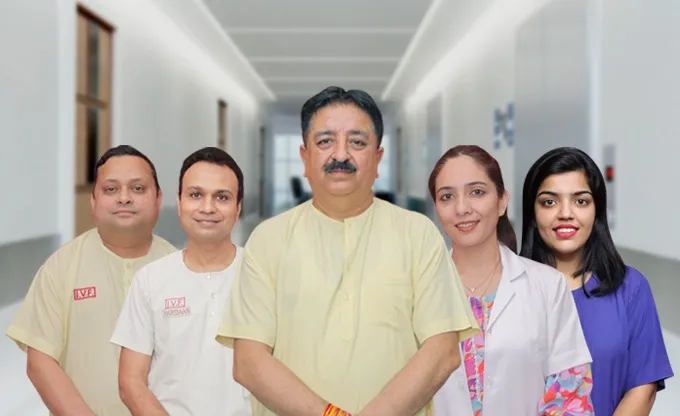
Struggling to Conceive? Talk to Our Fertility Expert
IVF Success Stories
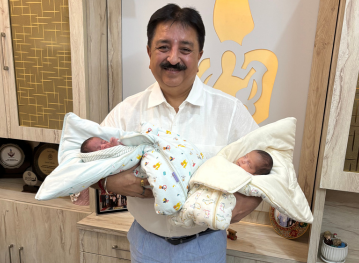
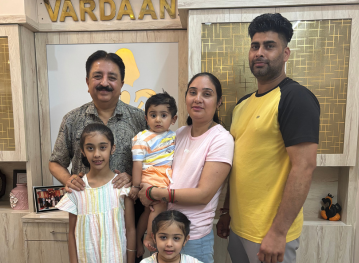
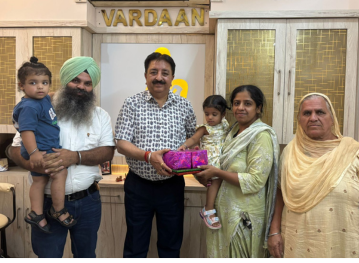
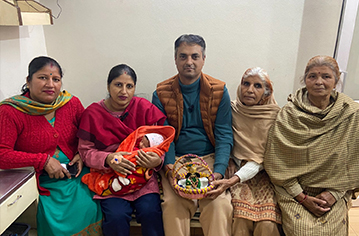
30K+ Babies Delivered & Counting…
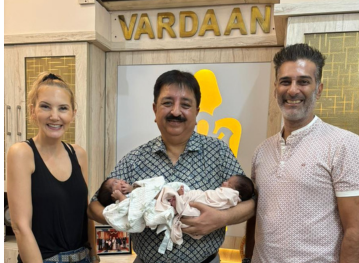
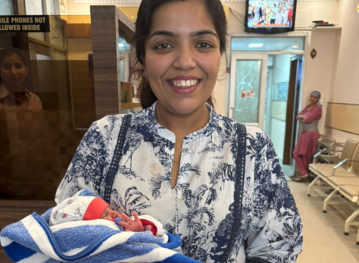
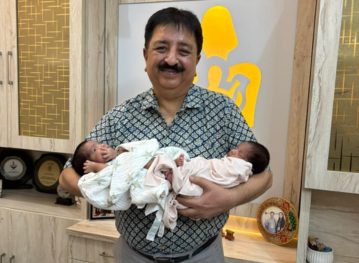



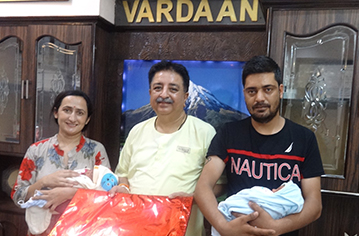
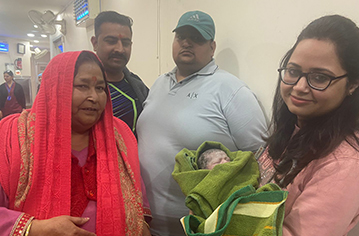


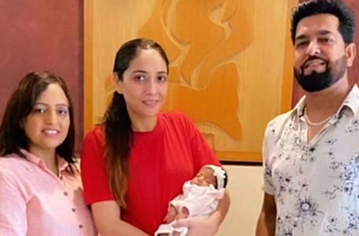

Fertility Specialist Doctor in Jalandhar
A fertility specialist in Jalandhar is a dedicated medical expert specializing in advanced reproductive treatments, diagnostic protocols, and fertility-related conditions for both men and women. Acting as a key ivf Doctor in Jalandhar and reproductive endocrinology expert, they conduct comprehensive assessments to identify the root causes of reproductive challenges and design tailored treatment strategies for every patient.
For couples facing difficulty conceiving, consulting an experienced Best IVF Doctor in Jalandhar is the crucial first step toward achieving parenthood.
At Vardaan Medical Centre, recognized as a leading destination for a fertility specialist, we prioritize a personalized, patient-centric approach. Our team of experts works closely with each individual and couple to create custom-tailored treatment plans that effectively address their specific reproductive needs.

When to See a Fertility Specialist in Jalandhar?
- Difficulty in Conceiving— A fertility evaluation may be considered when pregnancy has not occurred despite regular, unprotected intercourse for an appropriate period.
- Irregular Periods— Unpredictable, infrequent, or absent menstrual cycles may be associated with ovulation concerns and can require specialist assessment.
- Previous Pregnancy Loss— Experiencing repeated miscarriages may call for a fertility specialist's evaluation to understand relevant reproductive or medical factors.
- Known Fertility Problems— Conditions involving the ovaries, uterus, fallopian tubes, or sperm may require specialized fertility diagnosis and treatment.
- Age-Related Concerns— Fertility may decline with age, particularly after 40, making an earlier consultation useful for understanding reproductive health and available options.
Advanced Care by Top Fertility Specialists
- Dedicated Infertility Specialists: Expert medical guidance from seasoned doctors, specializing in reproductive medicine, gynecology, and advanced IVF procedures.
- Comprehensive Diagnostics: Advanced diagnostic protocols for both male and female fertility—including hormonal profiling, semen analysis, transvaginal ultrasound, and tubal patency assessments (HSG/Hysteroscopy).
- Advanced ART Solutions: State-of-the-art treatments such as Intrauterine Insemination (IUI), In-Vitro Fertilization (IVF), Intracytoplasmic Sperm Injection (ICSI), and Blastocyst Culture.
- Specialized Male & Female Care: Surgical sperm retrieval (TESA/PESA/Micro-TESE), laser-assisted hatching (LAH), and dedicated care for complex conditions like low AMH, endometriosis, and recurrent implantation failure.
- End-to-End Patient Guidance: Experienced infertility counselors and medical officers ensuring transparent communication, emotional support, and clear treatment planning at every stage.
Common Treatments Offered by Fertility Specialists
- Ovulation Induction: Medication cycles designed by a fertility specialist in Jalandhar to stimulate mature egg release for irregular cycles.
- Intrauterine Insemination (IUI): Placement of processed, high-motility sperm directly into the uterus, guided by a ivf Doctor in Jalandhar.
- In Vitro Fertilization (IVF): Lab fertilization of eggs and sperm followed by embryo transfer, offered by top fertility specialists.
- Intracytoplasmic Sperm Injection (ICSI): Direct single-sperm injection into an egg for male factor cases, performed by a fertility specialist in Jalandhar.
- Fertility Preservation: Egg, sperm, and embryo freezing managed by a fertility specialist to safeguard future reproductive options.
- Donor Programs: Ethical donor egg, sperm, and embryo options customized by a fertility specialist doctor for complex cases.
When Should You Consult a Fertility Specialist?
- Trying for Over 12 Months (Under 35): See a fertility specialist in Jalandhar after a year of unsuccessful attempts.
- Trying for Over 6 Months (Over 35): Schedule an evaluation after six months of trying to conceive.
- Irregular or Absent Cycles: Visit a doctor for irregular, painful, or missing periods.
- Underlying Conditions: Reach out to a fertility specialist for PCOS, endometriosis, or recurrent miscarriages.
- Male Factor Concerns: Consult an expert for low sperm count or motility issues.
Why Choose Vardaan for IVF?
26+ Years of Experience
Decades of expertise in fertility care and assisted reproductive treatments like IVF, IUI, and ICSI.
30,000+ Success Stories
A trusted track record of supporting couples and single mothers on their journey to parenthood.
Up to 80% IVF Pregnancy Rate
Strong reported pregnancy outcomes. Individual results vary based on multiple factors.
Laser-Assisted Hatching
Advanced embryo-assisted technique that may support embryo implantation in selected cases.
Laparoscopy & Hysteroscopy
Minimally invasive procedures used to diagnose and treat certain uterine, tubal, and pelvic conditions.
Transparent Treatment Guidance
Clear guidance on IVF steps, timelines, treatment planning, and costs before your cycle begins.
How Does IVF Procedure Work?
- Ovarian Stimulation: Daily hormone injections for 8–12 days help the ovaries produce multiple mature eggs, monitored through ultrasound and blood tests.
- Egg Retrieval: A short procedure performed under light sedation to retrieve mature eggs under ultrasound guidance. It usually takes 20–30 minutes.
- Lab Fertilization: Eggs retrieved are fertilized with sperm in the lab. In some cases ICSI involves injecting a single sperm directly into the egg.
- Embryo Culture and Transfer: Embryos are cultured for 3–5 days, and the healthiest is transferred into the uterus in a short, painless procedure.
Who Should Consider IVF?
IVF is usually recommended if simpler fertility treatments are unlikely to succeed or have already failed. The best common male and female infertility candidates are.
Ovulation Disorders & PCOS
PCOS and irregular ovulation can make conception difficult. IVF may be considered when ovulation treatments have not worked.
Blocked or Damaged Fallopian Tubes
Blocked or damaged tubes can prevent the egg and sperm from meeting naturally. IVF bypasses the tubes by fertilizing eggs in the laboratory.
Endometriosis
Endometriosis can affect the ovaries, eggs, uterus, or implantation. IVF may be recommended when endometriosis significantly affects fertility.
Age-Related Decline
A lower ovarian reserve can reduce the number of available eggs. IVF may help maximize the chances of using available eggs.
Uterine Conditions
Fibroids, polyps, and other uterine conditions can sometimes affect implantation. IVF may be considered after appropriate evaluation and treatment.
Low Sperm Count
Low sperm count or poor sperm movement can make natural fertilization difficult. IVF with ICSI can help improve the chances of fertilization.
Abnormal Sperm Morphology
Abnormal sperm shape or varicocele can affect sperm quality and fertility. IVF with ICSI may help when male-factor infertility is significant.
Hormonal Imbalances or Infections
Hormonal issues, previous infections, injuries, or surgeries can affect sperm production. IVF may be considered when other treatments are unsuccessful.
Unexplained Infertility
Sometimes, routine fertility tests do not identify a clear cause. IVF may be recommended when simpler fertility treatments have not worked.
Before Considering IVF
Are Lifestyle Factors Optimized?
Weight, smoking, alcohol, sleep, and stress all affect outcomes. Optimize them first.
Have You Had a Complete Fertility Evaluation?
A detailed workup may reveal simpler, less invasive options before IVF.
Have You Already Tried IUI?
For some conditions, IUI is less invasive and affordable. IVF follows repeated IUI failure.
Have You Discussed All Treatment Options?
Ovulation induction, IUI, or fertility preservation is sometimes considered before IVF.
Not sure whether IVF is the right next step?
Our fertility specialists can guide you through the most suitable treatment options for your situation.
Step-by-Step IVF Treatment Process
An IVF cycle is about 4-6 weeks from the beginning of medication to the pregnancy test. Here’s what to expect at each stage of treatment.
Initial Consultation
Review your history, partner's history, and fertility goals.
Diagnostic Work
AMH, hormone profile, semen analysis, ultrasound (1–2 weeks).
Treatment Planning
A stimulation protocol matched to your age and AMH.
Ovarian Stimulation
8–12 days of trigger shot and injections with monitoring.
Egg Retrieval
A 20–30 minute procedure under light sedation.
Fertilization & Embryo Transfer
Lab fertilization, 3–5 day culture, transfer to uterus.
IVF Success Rates by Age
IVF success rates vary a lot based on your age and fertility profile. Figures below are based on published international IVF trends and may vary according to embryo quality, ovarian reserve, and general reproductive health.
| Age | Live Birth Rate Per Cycle | Key Notes |
|---|---|---|
|
Under 35
|
45–60% | Highest success rates; many conceive within 1–2 cycles. |
|
35–37
|
35–50% | Gradual decline; embryo quality often remains favorable. |
|
38–40
|
20–35% | Lower rates; personalized treatment planning may help. |
|
41–42
|
10–20% | Lower with own eggs; donor egg IVF may be discussed. |
|
43+
|
Below 10% | Live birth rates with own eggs are significantly lower. |
Factors that affect IVF success: age and ovarian reserve · embryo quality · sperm quality · uterine lining and implantation · lifestyle (smoking, obesity, sleep) · previous pregnancy and fertility history.
Struggling to Conceive? Talk to Our Fertility Expert
IVF Cost in India
At Vardaan, you receive a clear explanation of expected costs before your cycle begins. Once the cost is fixed after consultation, there are no hidden charges for unexpected surprises.
| Treatment | Avg. Cost Range | What It Includes |
|---|---|---|
|
Self IVF Cycle (Standard)
|
₹2.0–2.5 Lakh | Standard IVF cycle using the patient’s own eggs and sperm. |
|
Donor IVF Cycle
|
₹2.0–2.5 Lakh | IVF cycle using donor eggs. |
|
IVF + ICSI
|
₹2.5 Lakh | IVF with ICSI, where a single sperm is injected directly into the egg. |
|
PGT
|
₹40,000 / embryo | Genetic testing of an embryo before embryo transfer. |
|
Frozen Embryo Transfer (FET)
|
₹1 Lakh | Preparation of the uterus, embryo thawing, and frozen embryo transfer. |
Usually included: consultations · ultrasound monitoring · egg retrieval · embryology and lab charges · embryo culture and transfer · immediate recovery.
How to Choose the Best Fertility Specialist Doctor
- Extensive Clinical Experience: Choose an experienced fertility specialist in Jalandhar who accurately diagnoses complex cases and adjusts protocols based on your specific medical response.
- Expertise in Advanced Treatments: Look for mastery in modern ART procedures, including IVF, IUI, ICSI, blastocyst culture, and cryopreservation.
- Personalized Care: A top fertility specialist in Jalandhar avoids one-size-fits-all methods, tailoring treatment to your specific health history and needs.
- Advanced Laboratory & Tech: Ensure the clinic features state-of-the-art IVF labs, high-resolution ultrasound imaging, and modern embryo monitoring tools.
- Transparent Success Rates: Work with a doctor who sets clear, honest expectations based on your age, egg/sperm quality, and medical history.
- Emotional & Patient-Centered Support: The best fertility specialist offers open communication, compassionate counseling, and continuous guidance throughout your journey.
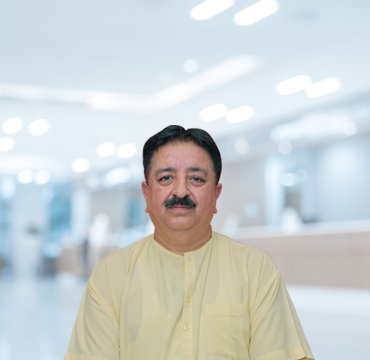
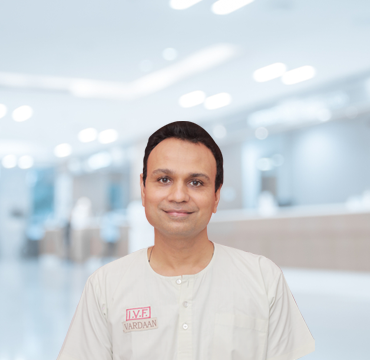
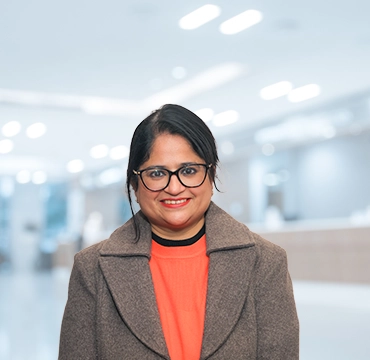
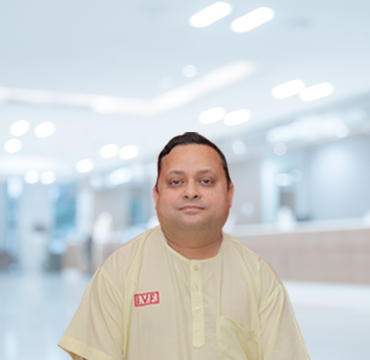
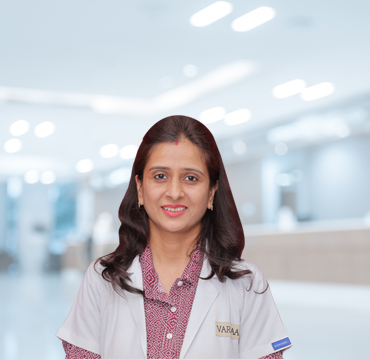
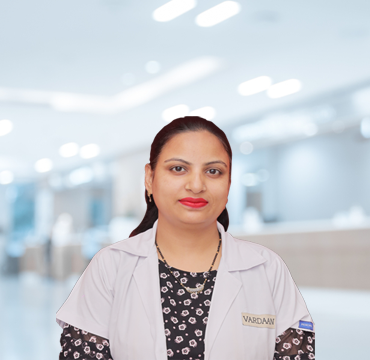
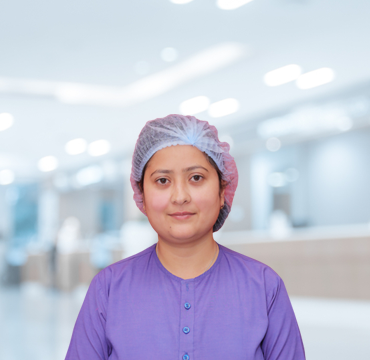
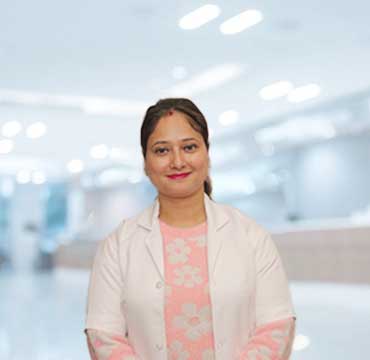
Our IVF & Fertility Care Team
Meet our experienced fertility specialists, embryologists, medical officers and dedicated support team.

.png)

Book Your Fertility Consultation Today
Connect with the expert team at Vardaan Medical Center to receive personalized guidance, precise diagnostics, and a custom care plan designed to support your journey to parenthood with a trusted fertility specialist in Jalandhar. Whether you are beginning initial evaluations or seeking advanced reproductive treatments, consulting an experienced fertility specialist doctor ensures transparent communication, state-of-the-art care, and an optimized pathway to achieving your dream of starting a family.
Frequently Asked Questions
IVF may not result in pregnancy, or an early pregnancy may end in miscarriage. If an IVF cycle is unsuccessful, the doctor reviews the treatment outcome and may recommend another IVF cycle, adjust the protocol, or combine IVF with procedures such as IUI or ICSI, depending on the underlying fertility factors.
No, IVF cannot guarantee pregnancy or a live birth. Success depends on factors such as age, egg and sperm quality, embryo quality, and overall reproductive health. IVF can also involve complications such as ovarian hyperstimulation, ectopic pregnancy, miscarriage, multiple pregnancy, or complications related to egg retrieval.
The number of embryos transferred during IVF is decided by the fertility specialist based on factors such as the patient’s age, embryo quality, medical history, previous treatment outcomes, and applicable clinical guidelines. In many cases, transferring a single suitable embryo is recommended to reduce risks associated with multiple pregnancies.
IUI places prepared sperm directly into the uterus, while IVF involves fertilizing eggs in a laboratory before transferring an embryo. ICSI involves injecting a single sperm directly into an egg during IVF. Depending on fertility factors, a doctor may combine IVF with ICSI or recommend IUI at another stage of treatment.
IVF commonly involves tests before, during, and after treatment. Before IVF, doctors may recommend blood tests, ultrasound, ovarian reserve testing, and semen analysis. During treatment, ultrasound and hormone monitoring help assess ovarian response. After embryo transfer, a pregnancy test, usually a blood β-hCG test, confirms the outcome.
Yes, Vardaan IVF Center offers egg freezing and embryo freezing for appropriate patients. Egg freezing allows unfertilized eggs to be preserved for potential future use, while embryo freezing involves preserving fertilized embryos. Your fertility specialist can recommend the most suitable option based on your reproductive plans and medical circumstances.